KUALA LUMPUR, El Sky News – Nasi Lemak, Malaysia’s unofficial national dish, is more than just fragrant rice served with spicy sambal; it is a profound testament to the nation’s deep-rooted agricultural history and cultural evolution. While modern iterations elevate the dish to gourmet status, its origins are firmly planted in the practical needs of early Malay communities.
A Meal Engineered for Resilience
Historical accounts suggest that Nasi Lemak was initially a simple, high-calorie sustenance for labourers. Before modern machinery, manual work in the rubber estates and paddy fields demanded a meal that was both economical and energy-dense.

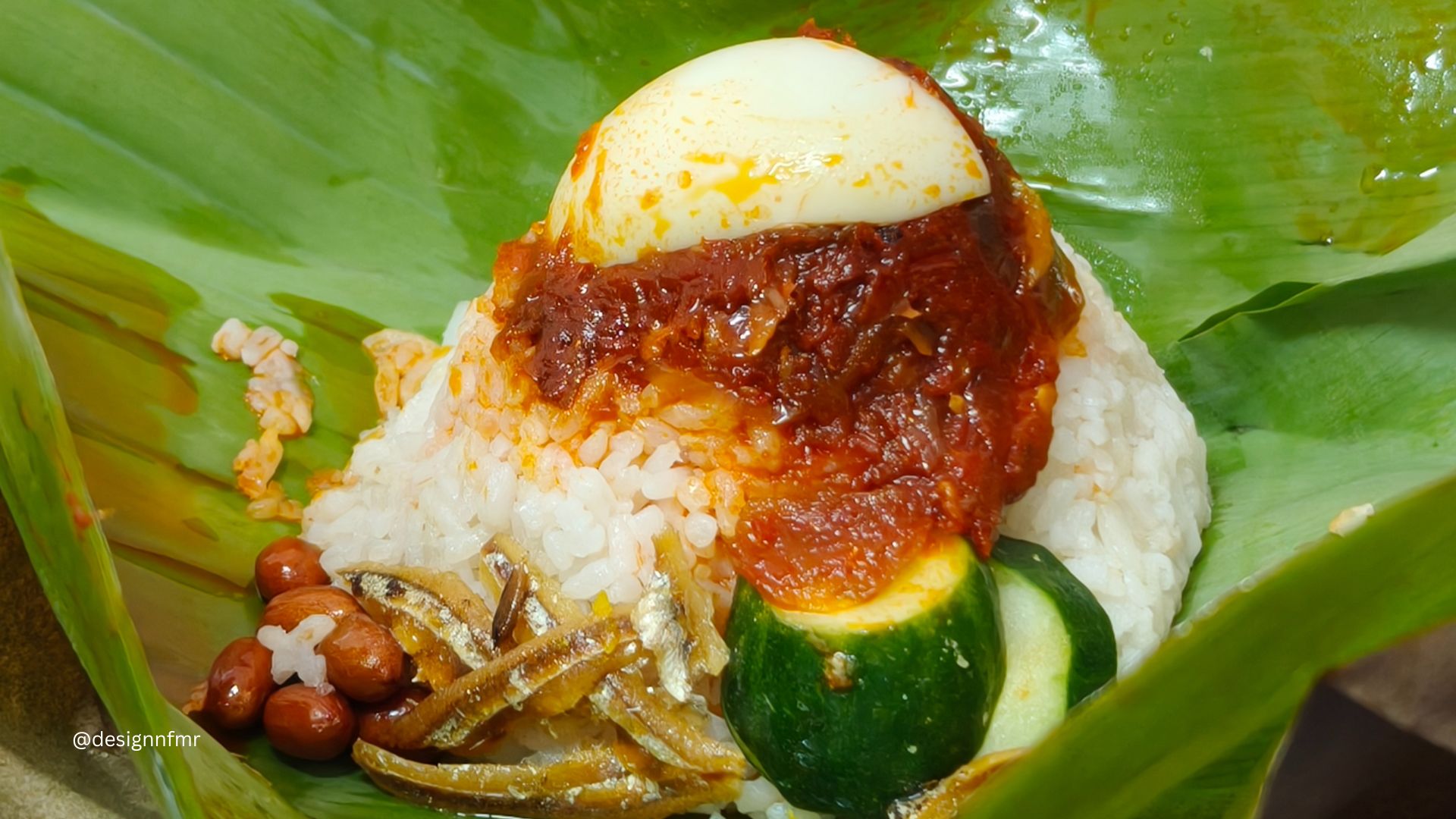
“The combination of rice cooked in coconut milk—yielding the rich ‘lemak’ or fatty flavour—and readily available ingredients like dried anchovies (ikan bilis) and peanuts, provided the perfect balance of carbohydrates and protein,” explains Dr. Suraya Hamid, a food anthropologist. “It was a practical, portable meal, typically wrapped in a banana leaf for easy carrying and that signature aromatic infusion.”
Documented History vs. Lingering Legend
The earliest known written record detailing the characteristics of the dish appears in the 1909 memoir, The Circumstances of Malay Life, by British colonial administrator Sir Richard Olaf Winstedt. His notes confirm the presence of coconut-infused rice as a staple among Malay villagers at the turn of the 20th century.
However, the endearing origin story surrounding its name persists. A popular folklore tells of a girl named Seri who accidentally poured coconut milk into the cooking rice. When her mother, Mak Kuntum, asked about the delicious aroma, Seri replied, “Nasi le, Mak!” (Rice, Mother!), inadvertently coining the name. While apocryphal, this legend highlights the dish’s intimate connection to traditional domestic life.
The Transition to a National Symbol
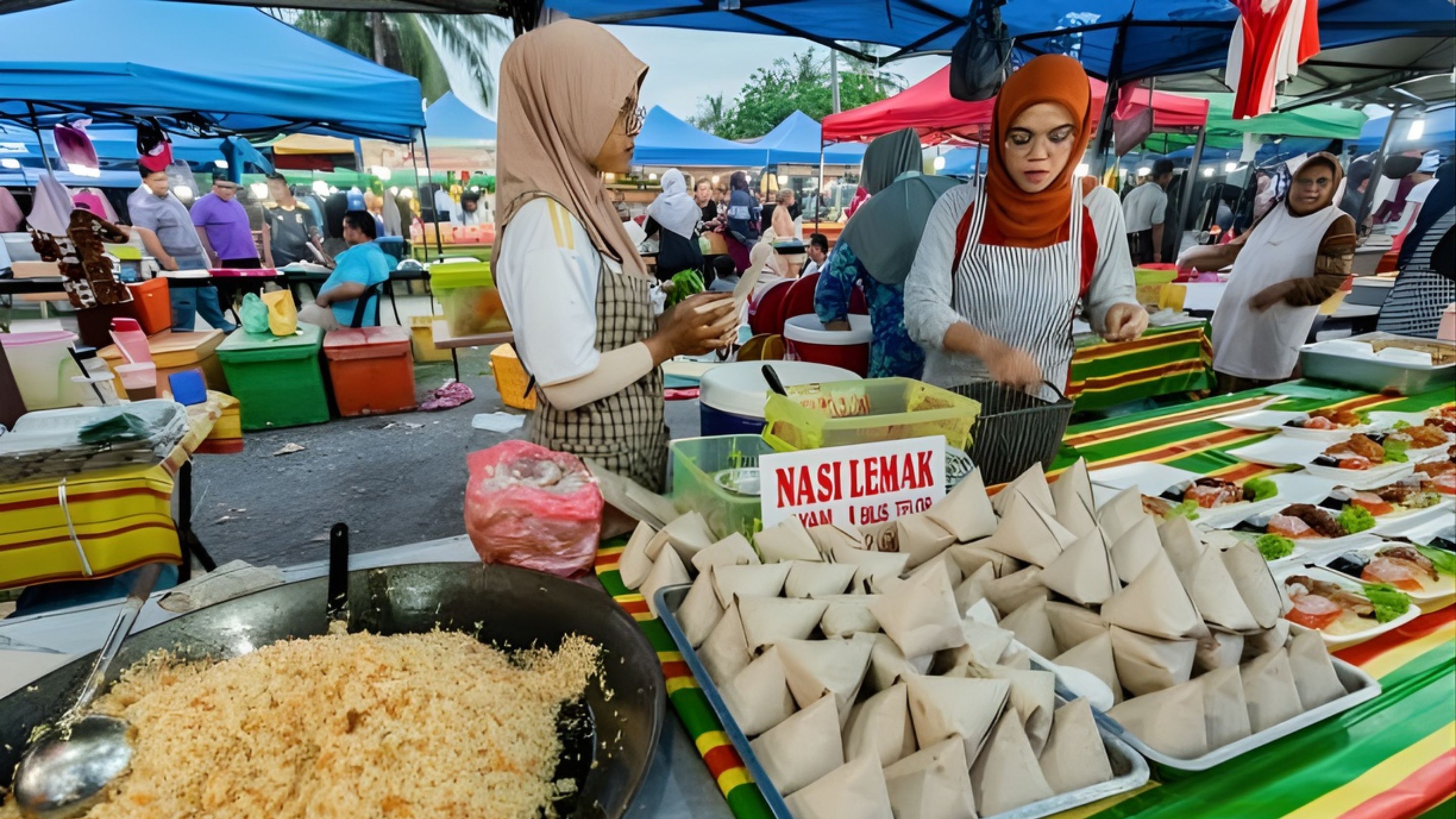
The mid-20th century saw Nasi Lemak transition from a village staple to a common street food. Hawkers began selling the smaller, triangular ‘Nasi Lemak Bungkus’ (wrapped Nasi Lemak) at a very affordable price, cementing its status as the quintessential Malaysian breakfast.
Today, its versatility allows for sophisticated variations, ranging from pairings with rich beef rendang to sambal sotong (squid sambal). Yet, regardless of the accompanying side dishes, the core components—the fragrant rice, the punchy sambal, and the crispy garnishes—remain sacrosanct.
Nasi Lemak’s journey from a humble agrarian packed lunch to an internationally recognised culinary icon perfectly mirrors Malaysia’s own progression, solidifying its position not just as a meal, but as a crucial piece of the national identity.