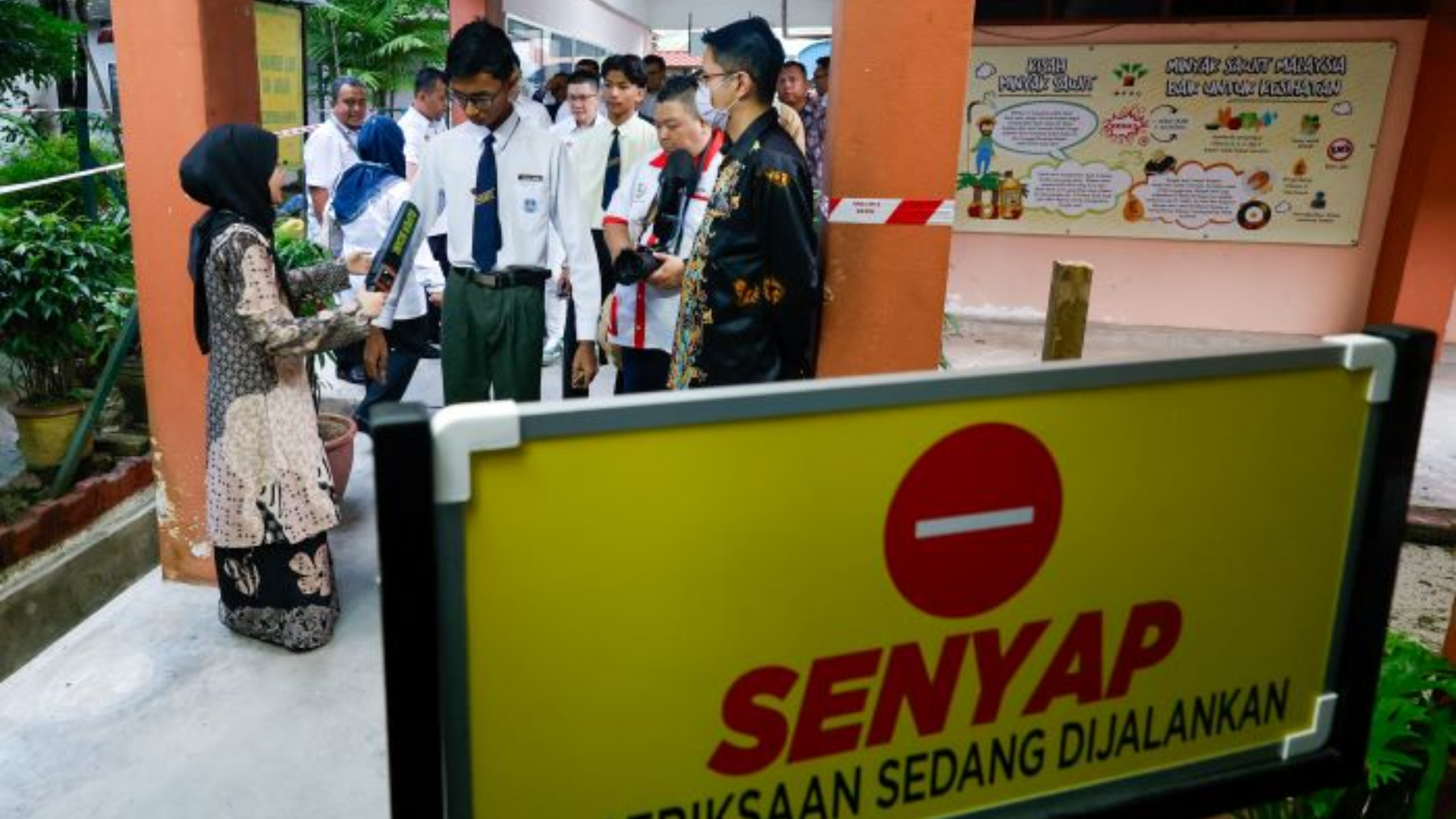
Kuala Lumpur, El Sky News – The Ministry of Education Malaysia (MOE) appears increasingly committed to addressing long-standing issues affecting educators and students—specifically administrative burdens on teachers and academic pressure on learners, particularly during major examinations. Through a series of new initiatives, the MOE aims not only to modernise the curriculum but also to prioritise the emotional wellbeing of both groups.
Reducing Administrative Load, Strengthening the Teaching Role
For years, teachers have voiced concerns over overwhelming administrative tasks—ranging from data entry, co-curricular reporting, to the preparation of detailed daily lesson plans (RPH). These bureaucratic demands often consume time that should be dedicated to designing creative and interactive learning experiences.

To address this, the MOE is reportedly pursuing significant rationalisation of school administrative systems. Key measures include:
Reducing Official Documentation:
Minimising physical paperwork and repetitive reporting requirements through a more integrated digital system.
Realigning Work Distribution:
Reviewing the allocation of non-teaching duties, potentially transferring them to support staff or automation. The goal is for teachers to refocus on pedagogy and targeted classroom interventions, particularly for students needing additional help in literacy and numeracy.
Teachers who are less burdened by paperwork are, in turn, better equipped to deliver higher-quality, meaningful teaching to their students.
Flexible Curriculum, Healthier Academic Pressure
For students, high-stakes national examinations have long been a major source of stress and mental health concerns. Recognising this, the MOE has begun introducing curriculum adjustments that emphasise mastery of essential skills and real-world application rather than rote memorisation.
These strategies aim to:
Strengthen Literacy and Numeracy:
With simpler, more relevant content, students struggling with foundational reading, writing, and arithmetic can be supported earlier. This helps close learning gaps and reduces stress associated with “catching up” with peers.
Enhance School-Based Assessment (PBD):
Shifting emphasis from final examinations to continuous assessment encourages learning as an ongoing process rather than a race for exam scores. Effective PBD enables teachers to detect student difficulties earlier instead of waiting for test results.
These reforms signal the ministry’s intention not merely to produce academically excellent students, but more importantly, students who are mentally healthy and genuinely motivated to learn.
The success of these reforms will rely heavily on the collective support of school administrators, teachers, and parents.
You can watch this video to gain a deeper understanding of how the role of the education minister influences national curriculum direction: “Education Minister Changes: Will the Merdeka Curriculum Continue or Change Again?”
The video discusses how shifts in educational leadership can impact the continuity or reform of curriculum policies related to both teacher and student workload.