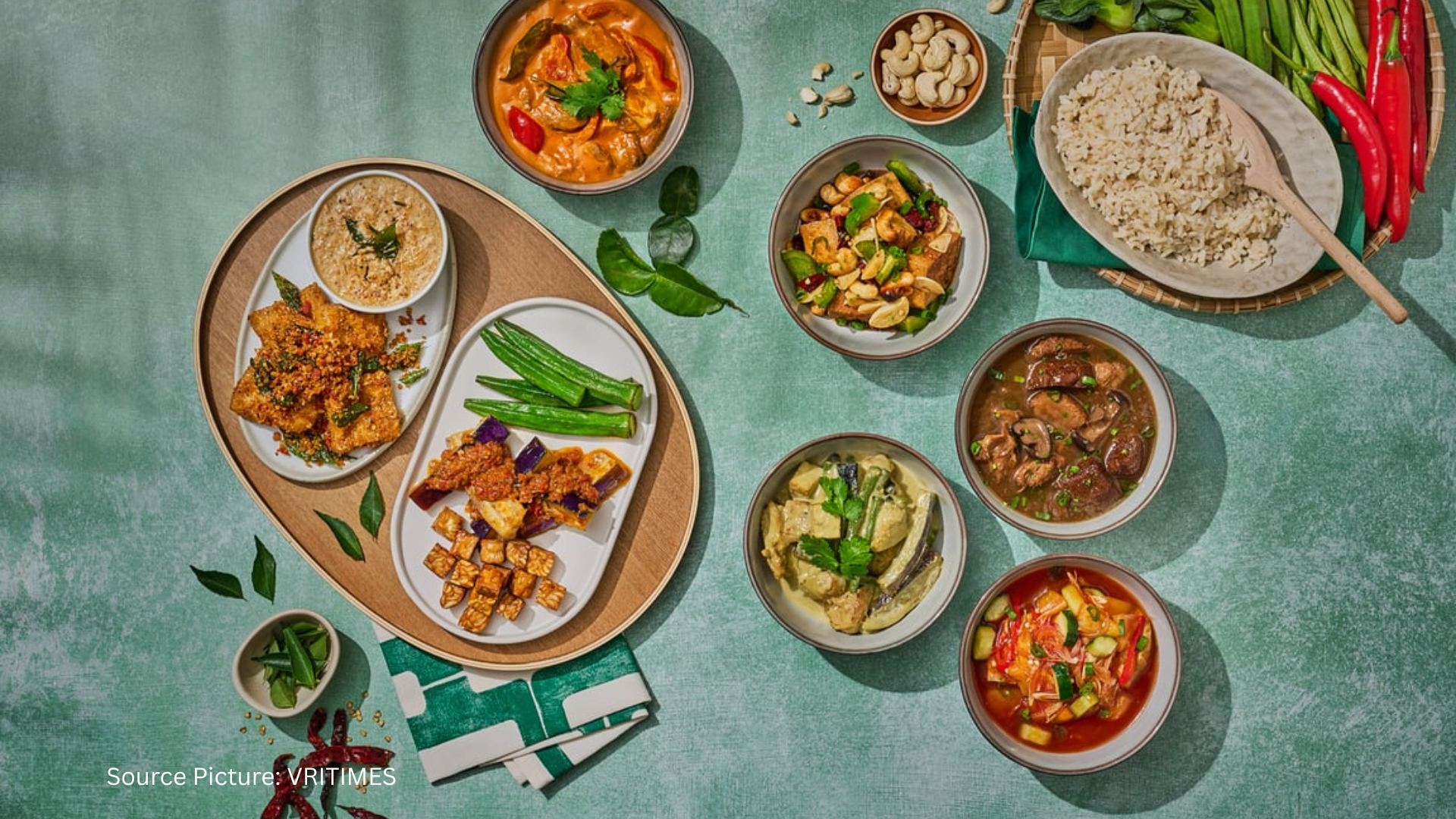
KUALA LUMPUR, El Sky News– As 2026 approaches, Malaysia’s culinary scene is undergoing a profound transformation, with industry reports forecasting a significant surge in demand for plant-based menus and health-centric dining. Driven by a more conscious consumer base, the nation’s gastronomic identity is evolving beyond traditional indulgence toward a more sustainable and “clean” future.
A comprehensive 2026 food industry outlook reveals that the “Plant-Based” movement is no longer a niche preference but a dominant market force. In major urban hubs like Kuala Lumpur, Penang, and Johor Bahru, cafes and high-end bistros are aggressively pivoting their menus to include innovative meat alternatives that prioritize local, whole-food ingredients over highly processed substitutes.

The standout star of this revolution is the humble Jackfruit (nangka). Local chefs are increasingly utilizing young green jackfruit as a versatile meat replacement due to its fibrous, “pulled-meat” texture and its ability to absorb complex Malaysian spices. By championing indigenous produce, the industry is not only offering healthier options but also significantly reducing the carbon footprint associated with imported soy-based proteins.
“The 2026 diner is looking for transparency and sustainability on their plate,” says a leading culinary trend analyst. “The shift toward ‘clean eating’—which emphasizes minimally processed, nutrient-dense ingredients—is a response to a global health awakening. We are seeing traditional Malaysian favorites being reimagined with a plant-forward twist that doesn’t compromise on the ‘umami’ the local palate craves.”
Key Drivers of the 2026 Culinary Shift:
- Indigenous Innovation: The creative use of local crops like jackfruit, mushrooms, and tempeh as high-protein centerpieces.
- Eco-Conscious Dining: A growing segment of “climatarians”—diners who choose meals based on their environmental impact.
- Functional Foods: Increased integration of “superfoods” such as turmeric, moringa, and ginger into mainstream cafe menus to boost immunity and wellness.
This trend is also supported by a rise in “green certifications” for restaurants, encouraging establishments to source locally and reduce food waste. As international foodies look toward Southeast Asia for the next big trend, Malaysia’s ability to blend its rich, spice-driven heritage with modern vegan sensibilities positions it as a regional leader in the sustainable food movement.
For the Malaysian hospitality sector, the message is clear: the future of food is green, local, and incredibly healthy.
(Leakim Otid)