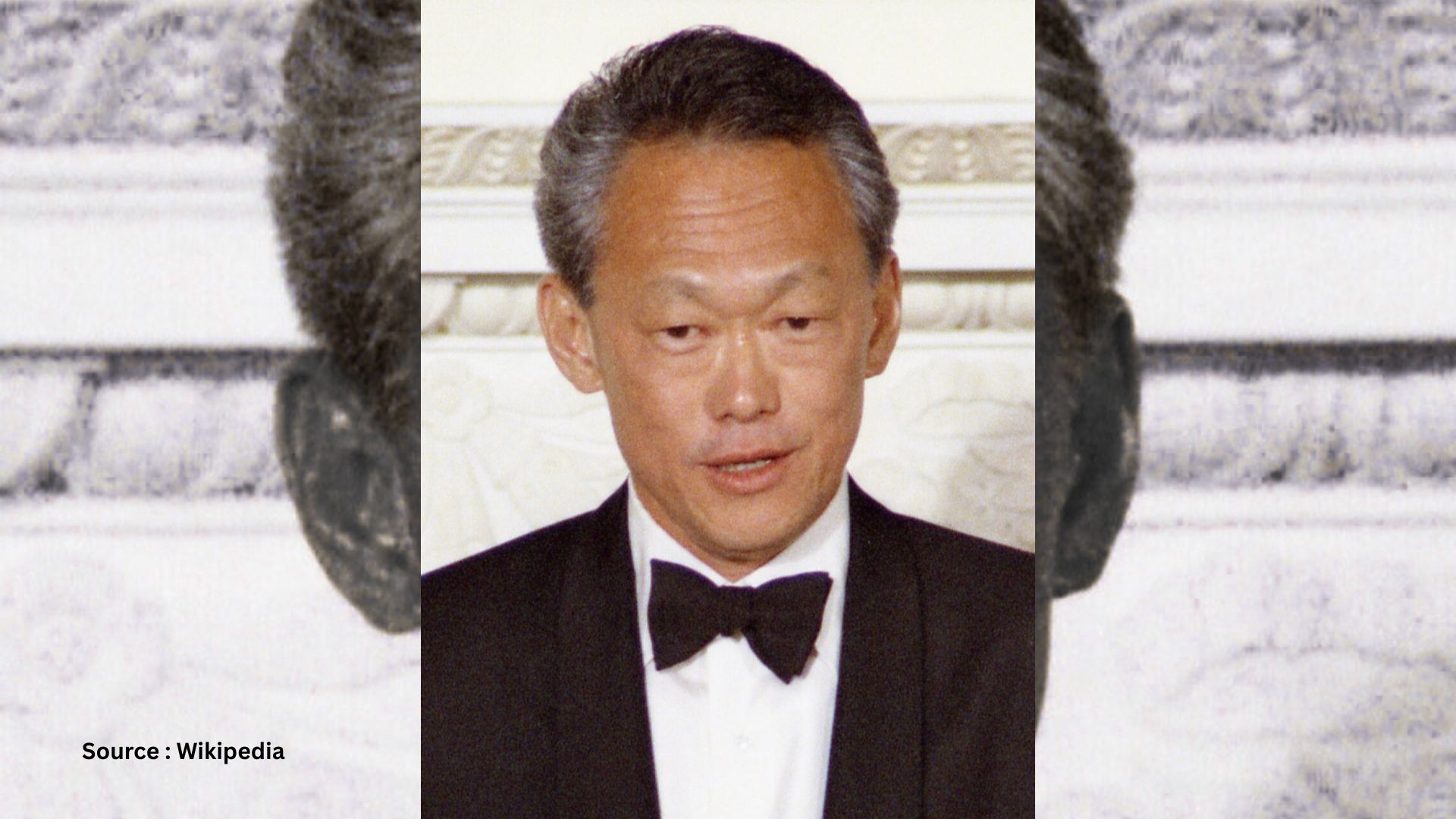
SINGAPORE, El Sky News — While many nations struggle for decades to find their footing, the Southeast Asian city-state of Singapore stands as a global anomaly—a resource-poor island that transformed into a financial titan within a single generation. At the center of this metamorphosis was one man: Lee Kuan Yew.
The Lead: A Vision Born from Crisis
Lee Kuan Yew, the founding father and first Prime Minister of Singapore, is widely credited with steering the nation from “Third World to First.” Taking the helm during the tumultuous separation from Malaysia in 1965, Lee faced the daunting task of building a country with no natural resources, a diverse but divided population, and constant economic uncertainty.

The Body: The Pillars of Development
Lee’s governance was defined by a philosophy of “pragmatism over ideology.” Under his leadership, Singapore adopted three core pillars that redefined its trajectory:
- Radical Meritocracy: Lee insisted that government and private sector roles be filled by the most capable individuals, regardless of race or background, effectively eradicating the cronyism that plagued many developing nations.
- Foreign Investment & Global Hub: By ensuring a stable, corruption-free environment, Lee turned Singapore into a magnet for multinational corporations. He famously cleaned up the Singapore River and initiated massive infrastructure projects to make the city a global shipping and aviation hub.
- Social Cohesion: Recognizing the fragile nature of a multi-ethnic society, he implemented strict housing policies that integrated different races into the same neighborhoods, preventing the formation of ethnic ghettos and fostering a shared national identity.
The Challenges: Discipline vs. Liberty
His tenure was not without controversy. Critics often pointed to his “iron fist” approach, citing strict laws on dissent and a tightly controlled media. However, Lee remained unapologetic, famously stating that in a survival situation, “discipline” was more valuable than “unrestrained democracy.”
The Tail: A Living Blueprint
Today, Lee’s influence is visible in every corner of the city, from the lush “Garden City” greenery to the soaring skyscrapers of the Marina Bay financial district. His death in 2015 marked the end of an era, but his blueprint for governance continues to be studied by world leaders as a masterclass in nation-building.