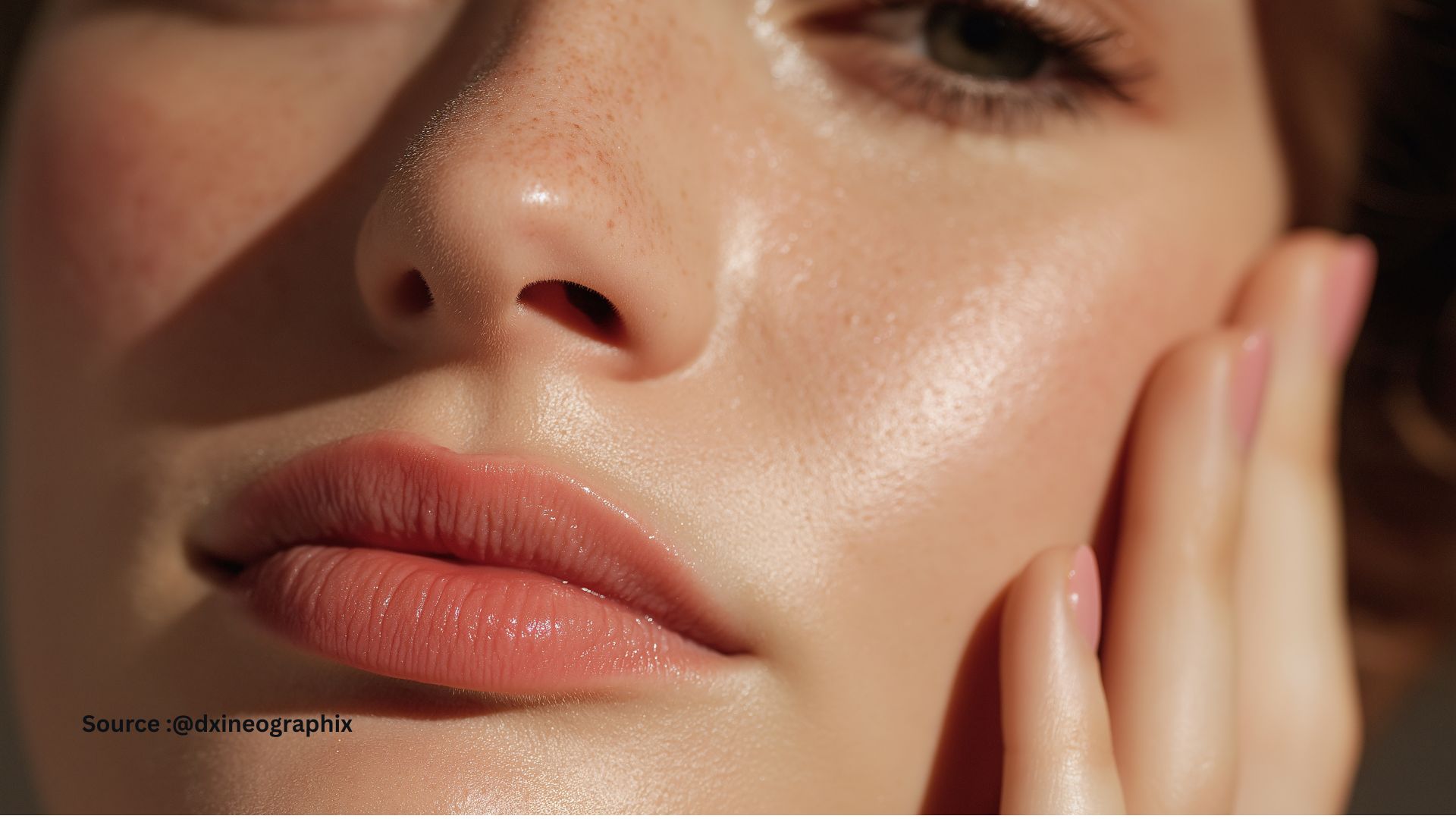
CHICAGO, El Sky News – In the quiet corners of every home, under beds and atop bookshelves, lies a thin layer of gray dust. While most homeowners blame open windows or outdoor pollution, biological experts reveal a more personal source: a significant portion of household dust is actually composed of dead human skin cells.
The Body’s Constant Shedding
The human body is in a perpetual state of self-renewal. Every minute, we shed between 30,000 and 40,000 dead skin cells. Over the course of a single day, an average adult loses enough skin to cover a small coin, and over a year, this adds up to nearly 4 kilograms (9 pounds) of biological waste.

“We are essentially leaking ourselves into our environment,” says Dr. Aris Thorne, a forensic biologist. “Because we spend the majority of our time indoors, our homes become the primary collection site for this discarded DNA.”
An Indoor Ecosystem
The presence of skin cells in dust isn’t just a cleaning nuisance; it’s the foundation of a microscopic ecosystem. This “human dust” serves as the primary food source for dust mites—microscopic arachnids that live in carpets, bedding, and upholstery.
[Image: Microscopic view of dust mites among skin cell flakes]
While skin cells make up about 20% to 50% of house dust (with the rest being fabric fibers, pollen, and pet dander), their presence is what attracts these tiny scavengers. For many, it isn’t the dust itself that causes allergies, but the enzymes produced by the mites that feast on our shed skin.
The Science of Air Quality
Environmental scientists use “dust analysis” to track everything from chemical exposure to the health of the occupants. Because skin cells absorb oils and chemicals from the air, house dust acts as a historical record of the indoor environment.
“Dust is more than just dirt; it’s a biological diary,” Dr. Thorne adds. “It tells us what you eat, the products you use, and even the health of your skin microbiome.”
Managing the “Bio-Dust”
While it is impossible to stop shedding, health experts recommend using HEPA-filter vacuums and washing bed linens in hot water (at least 60°C or 140°F) to manage the accumulation of biological debris. This not only keeps the home cleaner but significantly reduces the population of dust mites that thrive on our discarded cells.