


Kuala Lumpur, El Sky News — A public statement made by several Malaysian food safety observers describing ayam gepuk, a popular Indonesian dish, as a “potentially hazardous food” has sparked controversy and diplomatic sensitivity across Southeast Asia, particularly between Malaysia and Indonesia.
The remark emerged amid discussions on food safety standards and public health risks associated with street food and small-scale culinary businesses. While Malaysian authorities emphasized that the concern was technical rather than cultural, the statement quickly drew strong reactions from Indonesian culinary communities and the wider public.

Origin of the Controversy
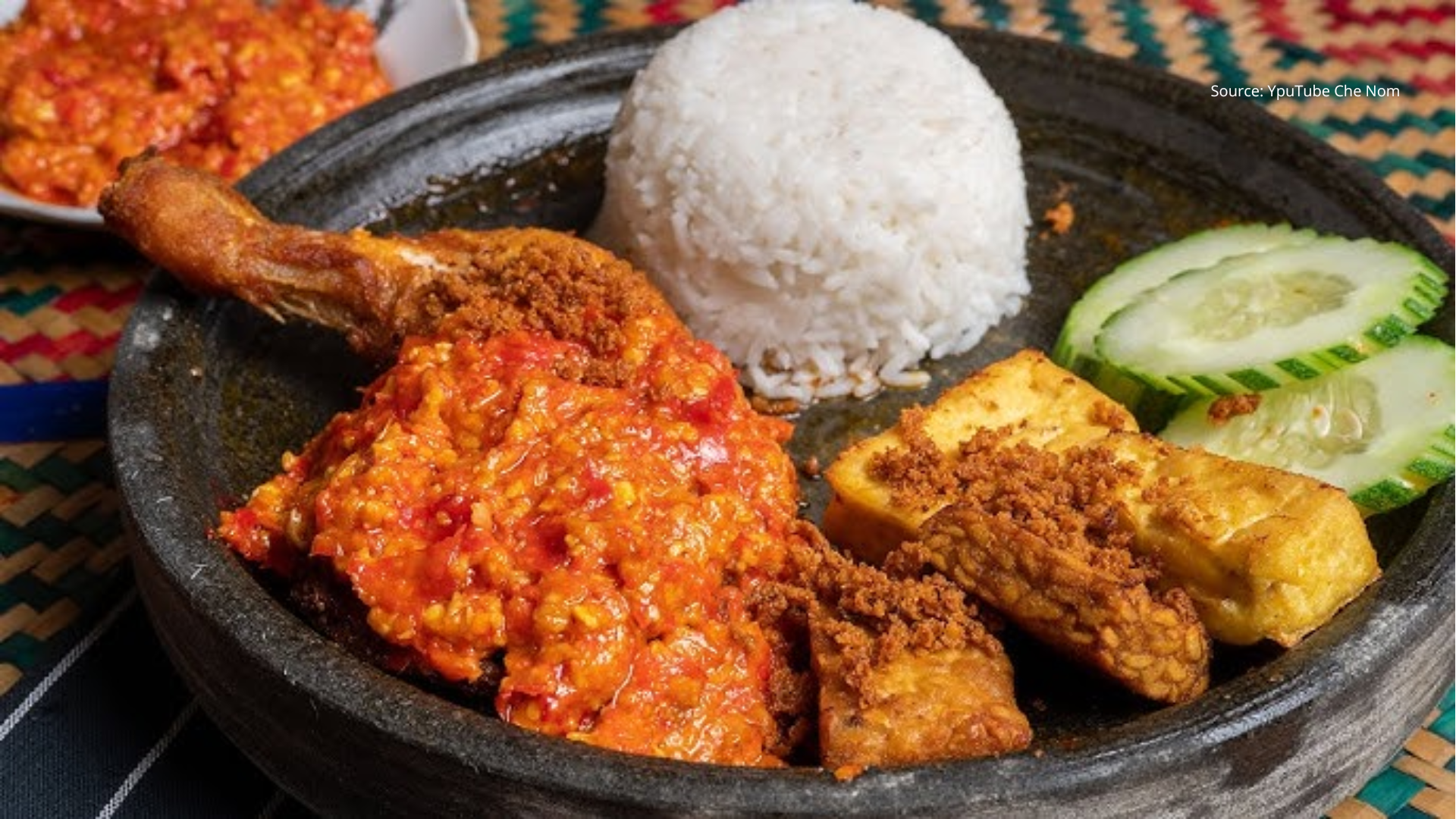
Ayam gepuk fried chicken smashed and served with spicy sambal, rice, and fresh vegetables originates from Indonesia and has gained widespread popularity in Malaysia over the past decade, especially through franchised eateries and street vendors.
The controversy arose after Malaysian food safety commentators and health-related platforms categorized ayam gepuk as a “high-risk food” due to several factors, including:
- The use of fresh sambal that may not undergo sufficient heat processing
- Manual handling during the “geprek” (smashing) process
- Potential cross-contamination in small or informal food stalls
The term dangerous, widely circulated on social media, was perceived by many Indonesians as an accusation rather than a technical classification, intensifying public backlash.
Malaysian Authorities Clarify Position
Following the public reaction, Malaysian health officials clarified that the designation did not target the dish itself, nor its country of origin, but rather highlighted food safety risks if proper hygiene standards are not followed.
Officials stressed that similar classifications apply to many popular foods local and international alike when prepared without adequate sanitation, temperature control, or food handling procedures.
“This is a food safety categorization, not a cultural judgment,” a Malaysian health expert stated, adding that any cuisine can pose health risks if prepared improperly.
Reaction from Indonesia
The response in Indonesia was swift. Culinary experts, chefs, and food entrepreneurs expressed concern that the statement could stigmatize Indonesian cuisine and harm the reputation of traditional foods abroad.
Several Indonesian food observers argued that ayam gepuk is widely consumed domestically and internationally without major health incidents, provided that basic hygiene and food safety practices are observed.
Social media users also criticized the wording of the statement, urging Malaysian authorities to be more cautious in their language to avoid misunderstanding and cultural offense.
Culinary Diplomacy and Regional Sensitivities
The incident highlights the sensitive intersection between food safety regulation and cultural identity in the region. Cuisine is often seen as a symbol of national pride, making public statements about food particularly delicate.
Experts note that similar disputes have occurred previously in Southeast Asia, underscoring the need for clear communication and regional cooperation on food safety standards without framing that could be interpreted as discriminatory.
Moving Forward
Both Indonesian and Malaysian observers have called for:
- Stronger cross-border food safety collaboration
- Clearer public communication from authorities
- Greater emphasis on education for food vendors, rather than public labeling
As ayam gepuk continues to thrive in Malaysia and beyond, the discussion has shifted toward ensuring safe preparation practices while respecting the cultural value of traditional cuisine,
(Lunar)





