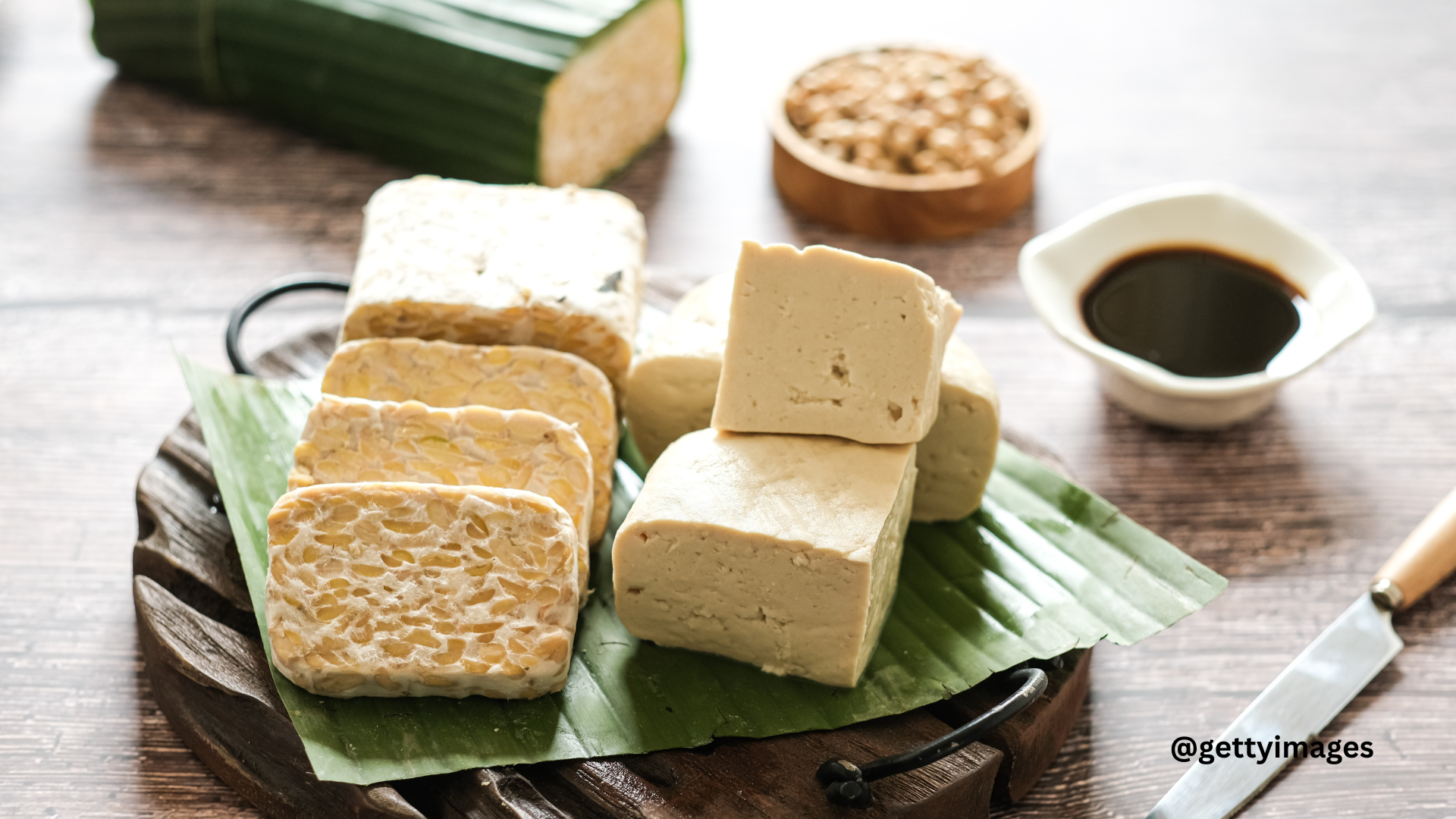
Kuala Lumpur, El Sky News – In an era where expensive imported supplements often dominate health headlines, two traditional soy-based staples are quietly reclaiming the spotlight. Tempeh and Tofu, long considered humble meat substitutes, are now being hailed by global nutritionists as essential components of a high-performance diet.
The Fermentation Power of Tempeh
Tempeh stands out in the nutritional world due to its unique production process. Created through the natural fermentation of whole soybeans, it offers a dense, chewy texture and a complex flavor profile. This fermentation does more than just enhance taste; it introduces beneficial probiotics that support gut health and strengthens the immune system.

Scientific analysis shows that the fermentation process breaks down phytic acid, an “anti-nutrient” typically found in grains and legumes. By neutralizing this acid, tempeh allows the body to absorb vital minerals like iron and magnesium more effectively. Furthermore, for those on plant-based diets, tempeh serves as a rare source of Vitamin B12, which is critical for nerve function and energy levels.
Tofu: The Heart-Healthy Mineral Source
While tempeh offers density, Tofu provides a lighter, versatile alternative that is exceptionally low in calories but high in essential minerals. Often called “soy curd,” tofu is a primary source of isoflavones—compounds linked to a reduced risk of cardiovascular disease and improved heart health.
Because of its high water content and soft consistency, tofu is an ideal protein source for those looking to manage their weight without sacrificing essential nutrients. It is particularly noted for its high calcium content, which is vital for maintaining bone density and preventing long-term skeletal issues. Its ability to absorb the flavors of spices and marinades makes it a favorite for culinary enthusiasts seeking to reduce their consumption of red meat.
Sustainability and Global Impact
The shift toward tempeh and tofu isn’t just a health trend; it is a response to environmental necessity. Producing soy-based protein requires a fraction of the land and water resources needed for livestock. As the global population seeks more sustainable ways to eat, these traditional foods are being repositioned from “simple side dishes” to the center of the plate.
Experts conclude that whether you choose the fermented complexity of tempeh or the silky versatility of tofu, incorporating these soy proteins into your weekly routine provides a powerful boost to both personal longevity and environmental health.