Perlis, El Sky News — The political crisis in the Malaysian state of Perlis has entered a more volatile phase following the resignation of Menteri Besar Mohd Shukri Ramli, who stepped down citing health reasons amid escalating internal conflicts within the state government. His departure has triggered a chain reaction of political instability, raising serious questions about the future governance of the country’s smallest state.
Mohd Shukri’s resignation came at a time when tensions within the ruling coalition were already mounting. Disputes among coalition partners, particularly involving Parti Islam Se-Malaysia (PAS) and Parti Pribumi Bersatu Malaysia (Bersatu), had weakened the administration’s cohesion and eroded confidence in its ability to govern effectively.

PAS Expels Three State Assembly Members
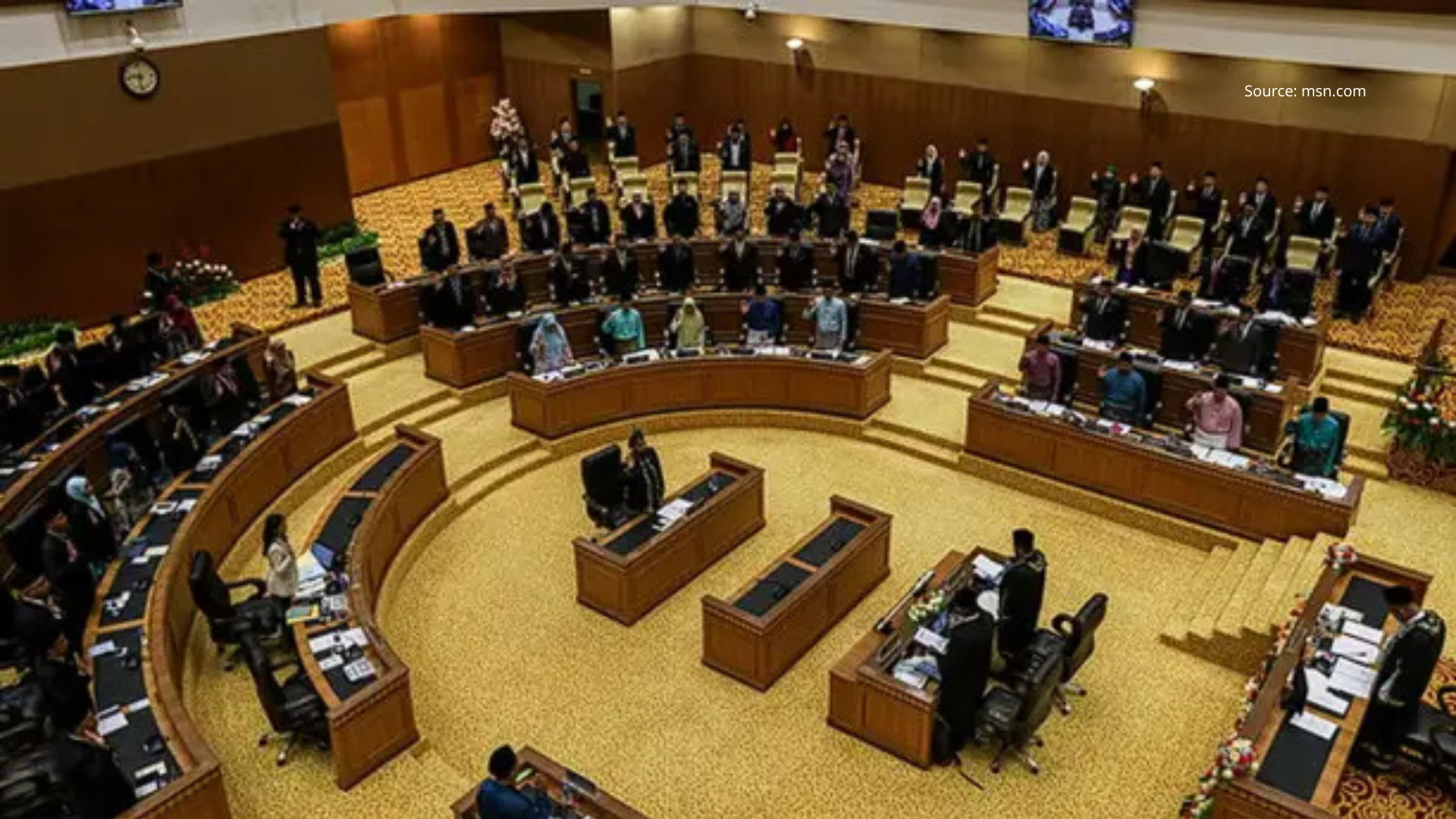
The situation deteriorated further when PAS expelled three of its own State Legislative Assembly members (Ahli Dewan Undangan Negeri, ADUN) for allegedly violating party discipline and defying leadership decisions. Following their expulsion, the Perlis State Assembly declared their seats vacant, a move that has significant legal and political implications.
The vacant seats not only reduced PAS’s representation in the state legislature but also disrupted the existing balance of power. Legal experts have noted that the vacancies could potentially trigger by-elections, depending on rulings by the Election Commission and the interpretation of anti-hopping laws.
Bersatu Withdraws Support
Adding to the turmoil, several Bersatu representatives announced their withdrawal of support for the state government. This development further weakened the ruling bloc’s majority and intensified uncertainty over whether a stable government could still be formed without fresh political realignments.
Bersatu’s move is widely seen as a reflection of deeper dissatisfaction within the coalition, with party leaders citing governance issues, leadership disputes, and a lack of consensus on policy direction as key factors behind their decision.
Leadership Transition Amid Uncertainty
In an effort to restore stability, Abu Bakar Hamzah was subsequently appointed as the new Menteri Besar of Perlis. While his appointment was intended to provide continuity in governance, analysts warn that the underlying political fractures remain unresolved.
Observers note that Abu Bakar faces an uphill task in rebuilding trust among coalition partners, managing internal party disputes, and ensuring the administration can function effectively amid a fragile legislative landscape.
Governance and Public Impact
The ongoing crisis has raised concerns among the public regarding policy paralysis, delayed development projects, and administrative inefficiency. Civil society groups have urged political leaders to prioritize governance and public welfare over partisan interests, warning that prolonged instability could negatively affect economic planning and public services in the state.
Political analysts also caution that if the situation fails to stabilize, Perlis could face early elections or multiple by-elections, potentially prolonging uncertainty and political fatigue among voters.
As Perlis navigates this turbulent period, attention remains focused on whether the new leadership can consolidate support and prevent further fragmentation. The unfolding developments are being closely watched at the national level, as they may carry broader implications for Malaysia’s political landscape and coalition dynamics.
For now, Perlis remains at a political crossroads, with its future governance hinging on negotiations, legal decisions, and the willingness of political actors to seek compromise amid deep divisions.
(Lunar)