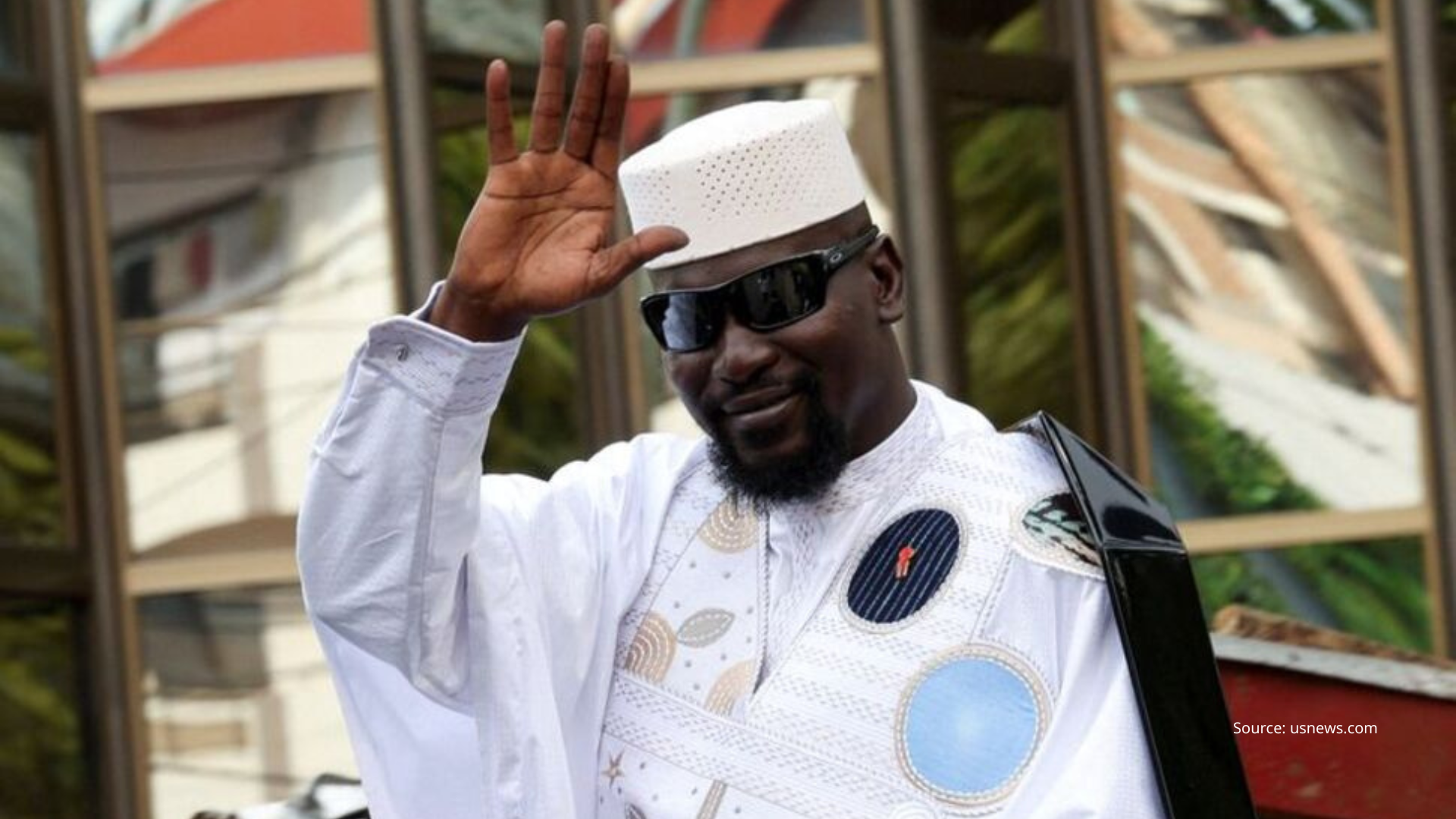
GUINEA, El Sky News — General Mamady Doumbouya, the former military officer who seized power in a 2021 coup, has been declared the winner of Guinea’s presidential election, securing approximately 86.7% of the vote in provisional results announced by the electoral authorities. The outcome marks a significant political milestone for the West African nation, formally ending the transitional military period and ushering in a civilian government led by a former coup leader.
The presidential election, held on 28 December 2025, recorded high voter turnout, with millions of Guineans casting their ballots across the country. Provisional results released on 30 December 2025 showed Doumbouya winning by a decisive margin, eliminating the need for a second round of voting. The Supreme Court of Guinea is expected to validate the final results in the coming days.

From Coup to the Ballot Box
Doumbouya rose to power in September 2021, when he led a military coup that overthrew President Alpha Condé, whose third term had sparked widespread protests and accusations of authoritarian rule. At the time, Doumbouya promised a transitional government that would restore constitutional order and pave the way for democratic elections.
However, his political trajectory drew controversy when he later chose to run for president, reversing earlier pledges not to contest the election. His candidacy became possible following the adoption of a new constitution in September 2025, which restructured the political system and allowed him to participate in the presidential race.
The new constitution also extended the presidential term from five to seven years, a provision critics argue consolidates executive power, while supporters claim it provides long-term political stability.
Election Environment and Opposition Concerns
Although the election featured several candidates, Doumbouya faced limited effective competition, as key opposition figures were either sidelined, in exile, or constrained by political and legal barriers. Opposition parties and civil society groups raised concerns over media restrictions, limitations on political campaigning, and the overall fairness of the electoral process.
International observers noted that while the vote proceeded without large-scale violence, the political playing field was uneven, with the incumbent transitional authorities holding significant advantages
Domestic and International Reactions
Inside Guinea, Doumbouya’s supporters celebrated the result as a mandate for stability and economic reform, particularly in the strategically important mining sector, including the massive Simandou iron ore project, one of the largest untapped deposits in the world.
International reactions have been cautious. Regional and global partners have acknowledged the election results while urging the new government to strengthen democratic institutions, protect civil liberties, and ensure greater political inclusivity moving forward.
Human rights organizations continue to call for expanded political freedoms, independent media protections, and meaningful engagement with opposition groups as Guinea enters its new political chapter.
A New Chapter with Lingering Questions
Mamady Doumbouya’s landslide victory formally transforms him from coup leader to elected president, closing a turbulent transitional period in Guinea’s history. While the election provides a measure of political legitimacy, the long-term success of his presidency will likely depend on whether promised reforms materialize and whether democratic space expands under his leadership.
As Guinea moves forward, the balance between stability, governance reform, and democratic accountability will remain under close domestic and international scrutiny.
(Lunar)