KUALA LUMPUR, El Sky News – The military escalation in Venezuela following the US intervention on January 3 has sent ripples through global commodity markets. While the immediate reaction has been a spike in geopolitical “risk premiums,” the long-term consequences for Malaysia and the global economy remain a complex puzzle of energy security and fiscal stability.
The Global Outlook: A Flooded Market or a Supply Crunch?
Industry analysts are divided on the fate of global oil prices. On one hand, the potential for sabotage by Venezuelan forces could remove 1.1 million barrels per day from the market, driving prices toward the $100 USD mark. On the other hand, a swift US-led revitalization of Venezuela’s massive reserves could eventually flood the market with cheap crude.

However, the “cheap oil” scenario is a double-edged sword. While it aids global disinflation, it threatens to destabilize other oil-dependent economies in the OPEC+ alliance, potentially leading to a new era of price wars.
The Impact on Malaysia: The “Worst-Case” Dimensions
For Malaysia, a nation that sits at the crossroads of being both an oil exporter (via Petronas) and a heavy importer of refined goods and food, the conflict presents three major risks:
1. Currency Volatility and Imported Inflation
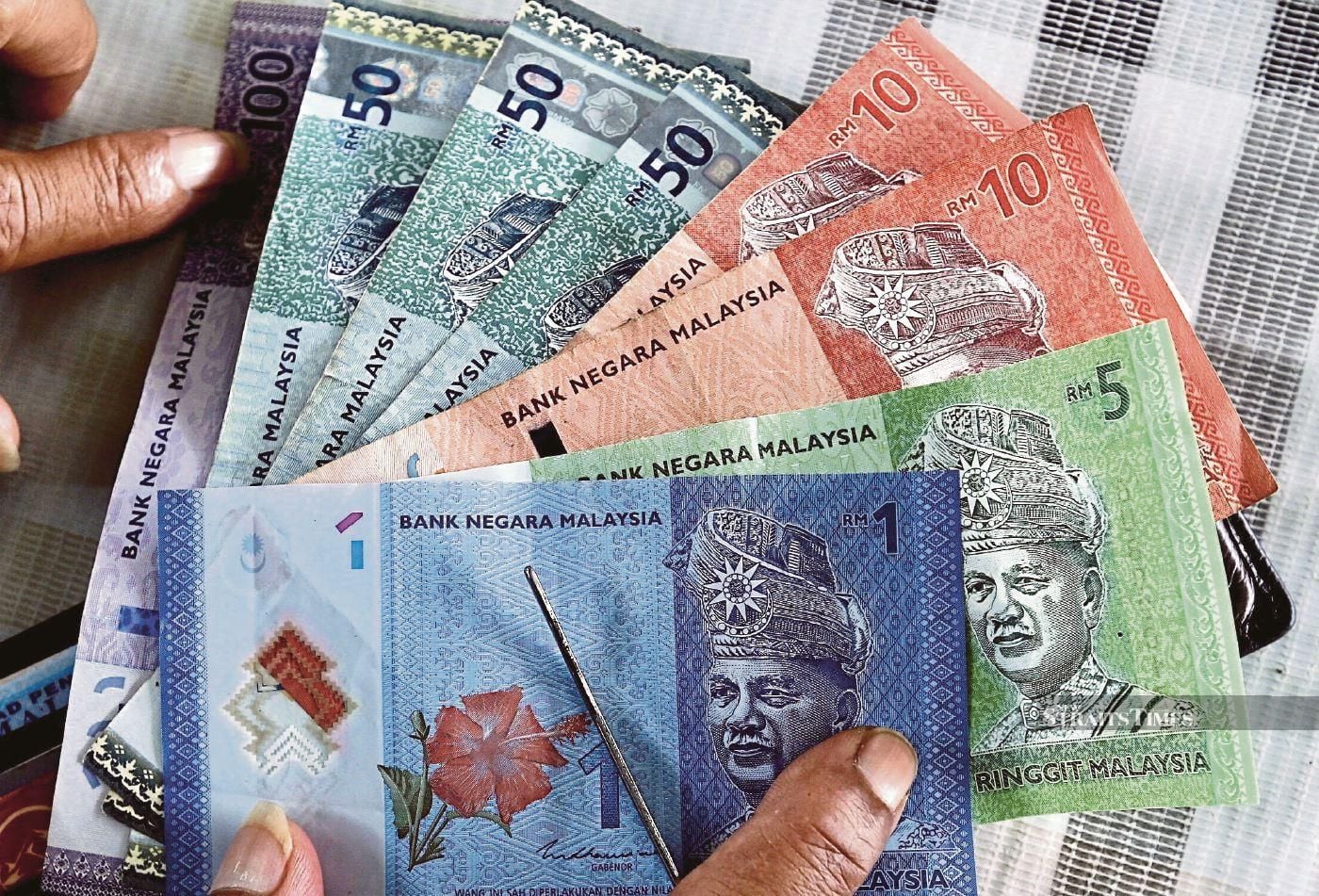
The most immediate threat is not the price at the pump, but the strength of the Malaysian Ringgit (MYR). In times of war, investors flock to the US Dollar. A sharp depreciation of the Ringgit would cause “Imported Inflation,” making essential goods—from Brazilian beef to Chinese electronics—significantly more expensive for the Malaysian consumer, regardless of local oil prices.
2. The Petronas Revenue Trap
If the conflict leads to a sustained period of “cheap Venezuelan oil,” Malaysia’s national oil company, Petronas, faces a steep decline in dividends. This would create a massive hole in the national budget, potentially leading to:
- Reductions in public infrastructure spending.
- Cuts to social assistance programs like Sumbangan Tunai Rahmah (STR).
- Negative sentiment in the Bursa Malaysia energy sector.
3. The Subsidy Dilemma
Despite global price fluctuations, Malaysian motorists are unlikely to see a significant drop in prices at the petrol station.
- In a high-price scenario: The government may be forced to accelerate Targeted Subsidy Rationalization, causing a sudden jump in RON95 prices to protect the federal budget.
- In a low-price scenario: The government may use the window to remove subsidies entirely, keeping the pump price stable while eliminating the fiscal burden.
Economic Turbulence: Is a Crisis Imminent?
Economists warn of a “Stagflationary” risk—a situation where market instability causes economic growth to slow down, while the cost of living continues to rise due to a weakened Ringgit.
While Malaysia’s diversified economy (electronics, palm oil, and services) provides a safety net, the sheer scale of the US-Venezuela conflict ensures that the economic volatility will be felt in every Malaysian household’s wallet through 2026.
The Verdict
The “worst-case” for Malaysia is not a lack of oil, but a fiscal squeeze. The nation must navigate a path between maintaining a stable Ringgit and managing a national budget that remains sensitive to the volatile swings of a world at war over energy.