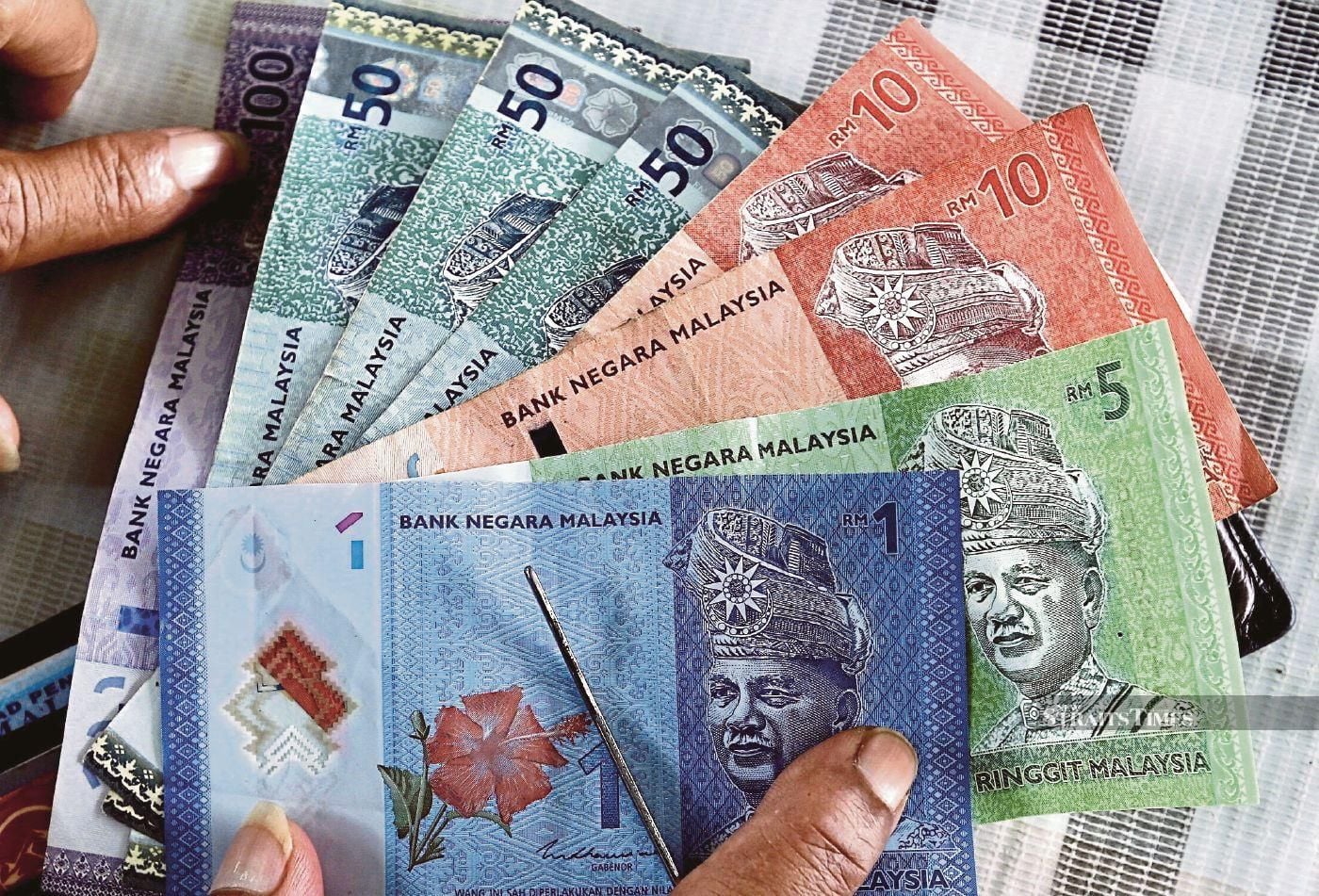
JAKARTA – The Indonesian Rupiah has officially entered its most precarious era yet. On January 19, 2026, the currency breached a historic psychological barrier, closing at Rp16,935 per US Dollar. In some spot markets, the rate even flirted with the Rp17,000 mark, effectively erasing the “floor” that had held since the 1998 financial crisis.
The current downturn is not an isolated event but the culmination of global trade tensions and a widening domestic budget deficit. To put this movement into perspective, here is a chronological breakdown of the ten most critical moments of weakness for the Rupiah.
The Era of Great Volatility (1997 – 2008)
1. The 1997 Asian Contagion The crisis began in August 1997 when the Thai Baht collapsed. The Rupiah, previously stable at Rp2,500, plummeted to the Rp3,000 range, marking the end of Indonesia’s “New Order” economic stability.

2. The 1998 Absolute Nadir The darkest chapter in Indonesian economic history. Amidst massive riots and political revolution, the Rupiah touched Rp16,800 per US Dollar in June 1998. This remained the record low for nearly three decades.
3. The 2001 Leadership Crisis Domestic political instability during the impeachment of President Abdurrahman Wahid caused investor jitters, sending the currency back down to the Rp12,000 level.
4. The 2008 Global Credit Crunch Following the collapse of Lehman Brothers in the U.S., a global “flight to safety” saw investors pull capital from Jakarta. The Rupiah hit a low of Rp12,650 as dollar liquidity evaporated worldwide.
The Shift to Modern Pressures (2013 – 2020)
5. The 2013 Taper Tantrum When the U.S. Federal Reserve signaled an end to its easy-money policy, emerging markets bled. The Rupiah crossed the Rp12,000 mark again, signaling a new era of sensitivity to U.S. monetary policy.
6. The 2018 Emerging Market Contagion A combination of a surging U.S. Dollar and debt crises in Argentina and Turkey dragged the Rupiah down to Rp15,230. This was the first time in years the currency looked truly vulnerable to external shocks.
7. The 2020 Pandemic Panic In March 2020, as the world locked down, a “dash for cash” pushed the Rupiah to Rp16,575. Massive intervention by Bank Indonesia was required to prevent a total freefall during the height of COVID-19 uncertainty.
The New Record Lows (2024 – 2026
8. The 2024 “Higher for Longer” Strain Throughout 2024, the U.S. Federal Reserve maintained high interest rates to fight inflation. This drained capital from Indonesia, pushing the rate to Rp16,400 and keeping it under constant pressure.
9. The 2025 Fiscal Deficit Scare By April 2025, the Rupiah reached Rp16,865. This was driven by internal fears regarding the government’s budget deficit, which climbed to 2.92%, nearing the legal limit and spooking bond holders.
10. The 2026 Historical Breach On January 19, 2026, the Rupiah finally surpassed the 1998 record. Closing at Rp16,935, the currency is now facing a “new normal.” Analysts point to a combination of aggressive U.S. trade tariffs and a lack of fresh foreign investment as the primary catalysts.
Summary of Key Data Points
- 1998 Record: Rp16,800 (The long-standing benchmark)
- 2020 Pandemic Low: Rp16,575
- 2025 Fiscal Pressure: Rp16,865
- Current 2026 Record: Rp16,935
The current situation is unique because, unlike 1998, the Indonesian banking system remains capital-strong. However, the psychological impact of crossing the Rp17,000 threshold could trigger “cost-push” inflation, making imported goods and fuel significantly more expensive for the average citizen.
Would you like me to look into the specific sectors, such as electronics or food imports, that will be most affected by this new exchange rate? ( Rahul Rezky )