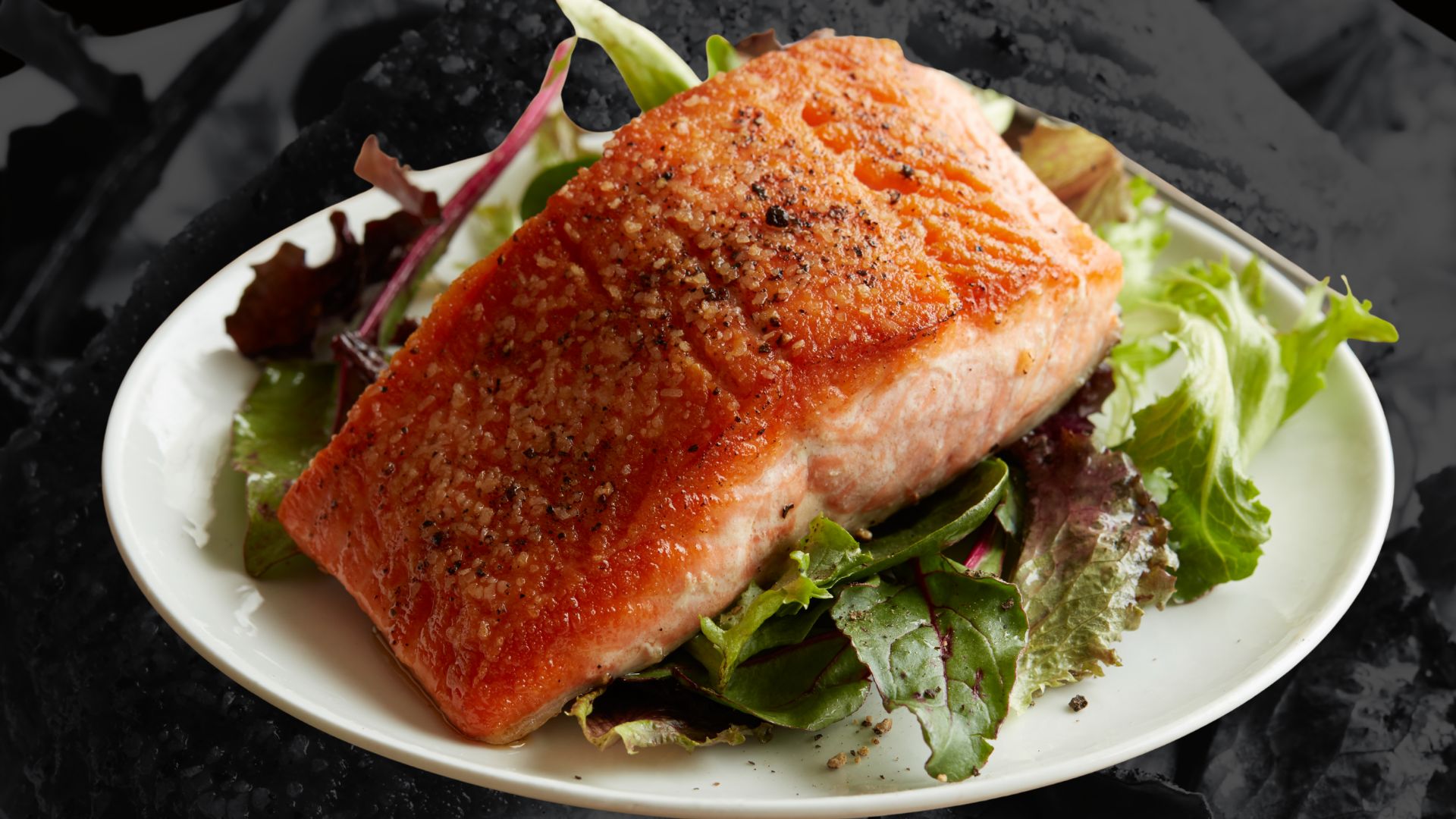
SEATTLE, El Sky News – As home cooking continues to trend toward high-protein, heart-healthy diets, the humble salmon has emerged as a centerpiece staple. However, for many amateur chefs, the transition from a raw fillet to a restaurant-quality dish remains a daunting culinary hurdle. Today, top kitchen experts are breaking down the essential techniques to transform this “superfood” from mediocre to masterpiece.
The Science of the Sear
The secret to a world-class fillet, according to culinary specialists, isn’t found in expensive gadgets, but in physics. The primary mistake made in home kitchens is excess moisture.

“Moisture is the enemy of the crust,” says a local gourmet chef. “If the skin isn’t bone-dry when it hits the oil, you’re essentially steaming the fish rather than searing it.” Experts recommend a rigorous “pat-dry” method using paper towels, followed by a brief period of air-drying in the refrigerator to ensure maximum crispiness.
Combatting the ‘White Gunk’
One of the most common complaints among home cooks is the appearance of albumin—the white, cloudy protein that seeps out of the fish during cooking. While harmless, it is often a sign of overcooking or thermal shock.
To combat this, professional kitchens utilize a 10-minute salt brine. This simple pre-treatment not only seasons the fish deeply but also firms up the muscle fibers, significantly reducing the amount of albumin that escapes during the heating process.
The Temperature Tug-of-War
Precision is the final pillar of salmon mastery. While the USDA recommends an internal temperature of 145°F, many chefs argue that this leads to a dry texture due to “carryover cooking”—the process where the fish continues to cook after being removed from the heat.
Key takeaway stats for the perfect fillet:
- Ideal Pull Temperature: 125°F to 130°F (52°C) for a medium-rare center.
- Resting Time: 3 to 5 minutes to allow juices to redistribute.
- Technique: Always start skin-side down to create a natural heat shield for the delicate flesh.
A Versatile Canvas
Beyond technique, the industry is seeing a shift toward bold, acidic pairings. Because salmon is naturally oily, chefs recommend balancing the plate with lemon, capers, or fermented glazes like miso and honey to cut through the richness.
As the demand for sustainable and healthy seafood grows, these professional insights are helping home cooks bridge the gap between “dinner at home” and a “fine-dining experience.”