KUALA LUMPUR, Feb 23, 2026 — Members of Parliament gathered in today’s Dewan Rakyat session to raise several critical national issues, including the readiness of government hospitals in addressing an increasing burden of non-communicable diseases (NCDs), plans to manage Rapid Rail peak hours during the forthcoming Ramadan season, and details of the Malaysia Care Economy framework.
Public Health Challenges and Hospital Preparedness
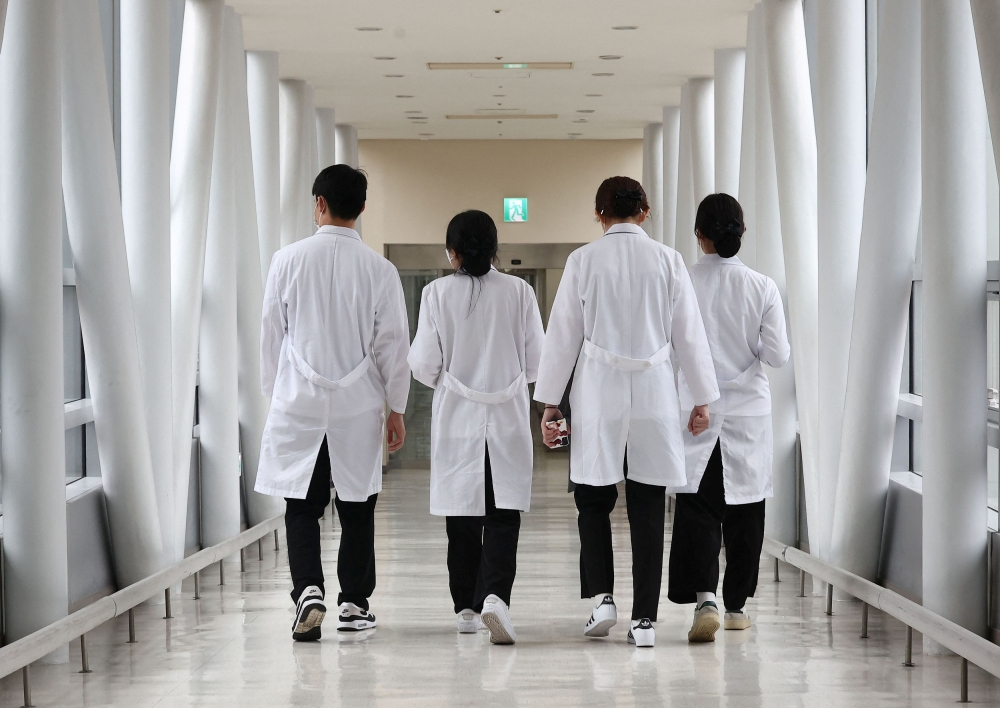
During the oral question-and-answer segment, Chong Zhemin (Pakatan Harapan-Kampar) questioned the Minister of Health on how prepared government-run hospitals are to handle the growing prevalence of NCDs such as diabetes, heart disease, and other chronic conditions — a trend linked to lifestyle factors and ageing populations. He also sought information on specific budget allocations earmarked for early prevention programmes.

Another lawmaker, Datuk Dr Ahmad Yunus Hairi (PN-Kuala Langat), turned the spotlight to thalassaemia, asking for the latest national patient figures and the estimated lifetime treatment costs for a patient from childhood to age 40. He also asked whether the government is considering gene therapy treatment options for those with thalassaemia, reflecting wider concerns about long-term care strategies for chronic conditions in Malaysia.
Health experts have continually highlighted that non-communicable diseases remain a major challenge for public health systems worldwide, requiring proactive disease prevention, early detection and sustained management to reduce hospital strain and healthcare costs.
Public Transport Adjustments for Ramadan
In another key area of national interest, Syahredzan Johan (PH-Bangi) questioned the Transport Minister on potential changes to Rapid Rail peak hour schedules during the Muslim holy month of Ramadan. With travel patterns expected to shift — including lighter commuter traffic during fasting hours and heavier flows after iftar — MPs are seeking clarity on planned service adjustments to meet public demand.
Care Economy and Social Support Framework
Meanwhile, Datuk Dr Richard Rapu (GPS-Betong) put forward queries to the Women, Family and Community Development Minister regarding the Malaysia Care Economy framework and its 2026–2030 action plan. He sought detailed explanations on how the government’s policy will address gaps in access, quality and the caregiving workforce for vulnerable groups including senior citizens, children and persons with disabilities (PwD). Rapu also asked for information on specific performance targets, budget allocations, and measurable indicators guiding the policy’s implementation.
Parliamentary Business Beyond Questions
Following the question period, planned legislative business will include the first readings of two Constitution (Amendment) Bills, and the Supplementary Supply Bill (2025) 2026. Additionally, the Capitation Grant Bill 2026 is listed for second reading, and a motion concerning the Auditor-General’s Report 1/2026 is also expected to be tabled.