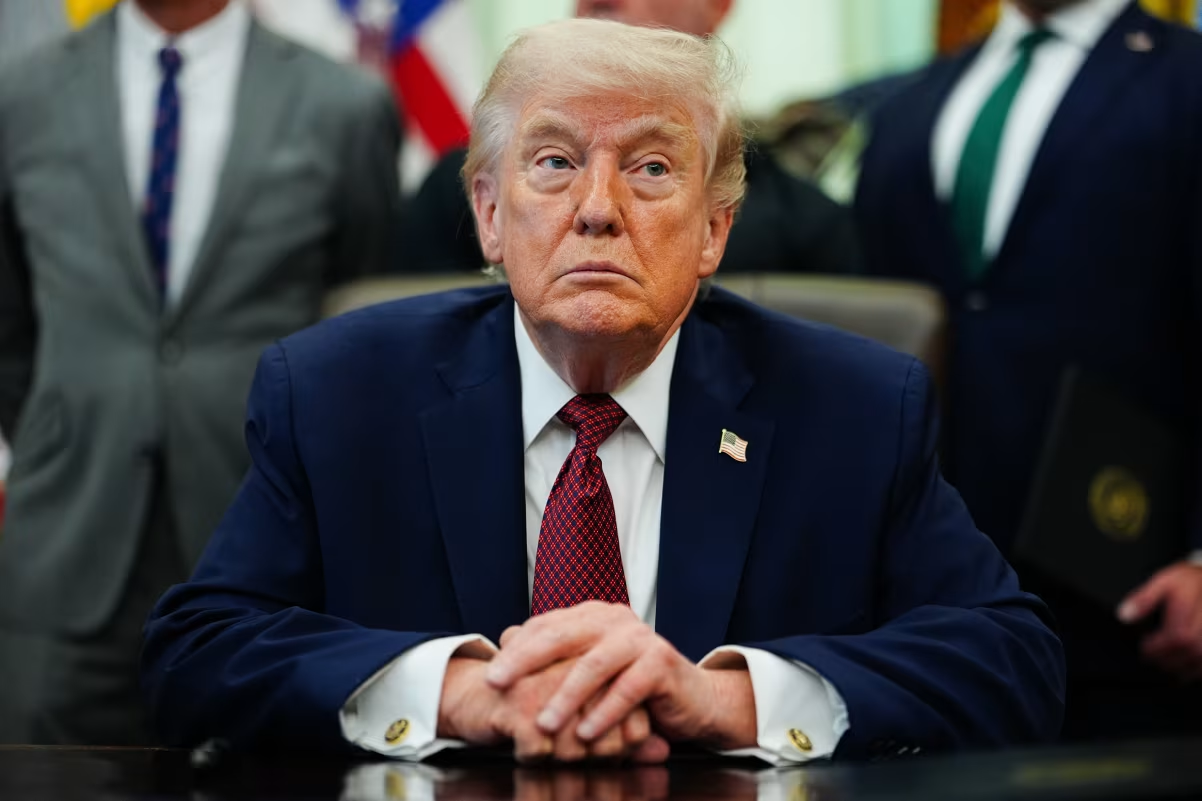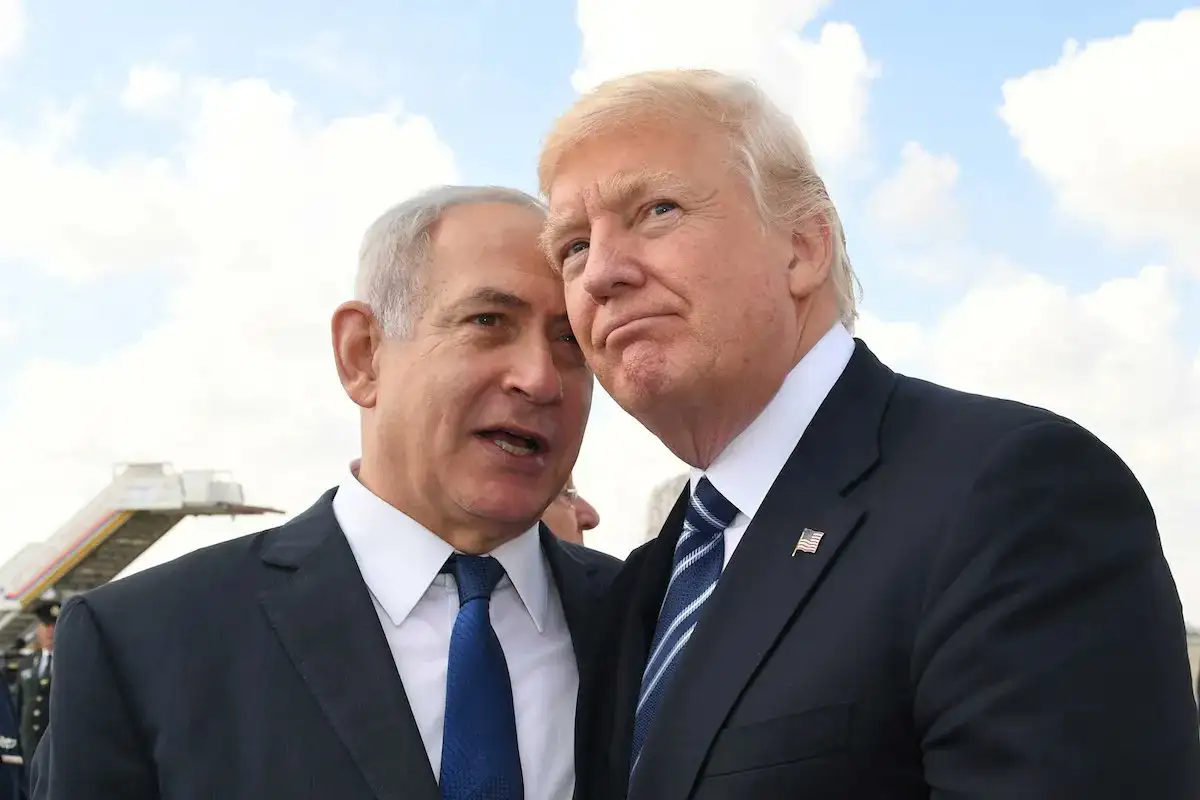
The close wartime alliance between Benjamin Netanyahu and Donald Trump is facing a critical test as the war with Iran intensifies and their objectives diverge, according to international reporting.
The conflict, which began late last month with coordinated Israeli and U.S. airstrikes on Iranian targets, dramatically escalated after the killing of Iran’s Supreme Leader Ali Khamenei on Feb. 28 — a strike that marked a major turning point in the crisis. Tehran has since launched missile and drone attacks across the region, including at Israeli territory, Gulf states, and U.S. allied facilities, prompting broad retaliation from both Israel and the United States.

At the outset of the campaign, both Netanyahu and Trump publicly promoted the idea of “regime change” in Tehran — presenting the operation as a decisive step to dismantle Iran’s military capabilities and weaken its influence. But recent statements from Trump suggest a shift in emphasis toward targeting Iran’s missile and naval infrastructure and preventing its acquisition of nuclear weapons, rather than overthrowing its government outright. This subtle recalibration has raised questions about whether the U.S. and Israeli leadership remain fully aligned.
A senior U.S. official told Reuters that while Israel continues to advocate for regime change, Trump’s publicly stated goal has been narrower, focusing on neutralising specific strategic threats — a difference that highlights potential cracks in their wartime partnership. The official also noted that Trump ultimately holds the authority to determine the scope and duration of the U.S. military engagement.
Domestically, both leaders face pressures that could impact their calculus. Trump’s decision to escalate military action comes ahead of critical midterm elections, with growing domestic scepticism about the war’s objectives and potential costs. Polling indicates low public support for the campaign, and rising energy prices have sparked further concern among American voters.
Netanyahu, meanwhile, is confronting political challenges at home, including ongoing corruption trials and coalition tensions. Many analysts believe he views the broad conflict as an opportunity to shore up his security credentials and restore political capital ahead of future elections. But observers warn that even a successful military outcome may not fully resonate with Israeli voters, who remain affected by recent traumatic conflicts, particularly the protracted war with Hamas.
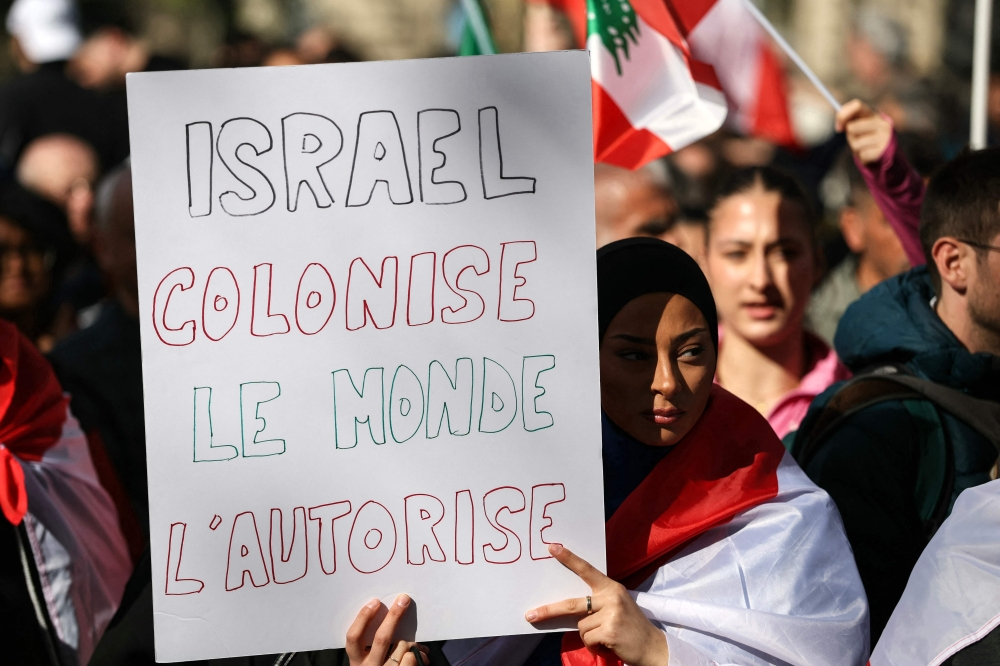
The conflict has had far-reaching global repercussions. Regional hostilities have spread to Lebanon and other neighbouring territories, with Hezbollah, an Iranian-aligned militia, launching its own strikes into Israel in retaliation — adding another layer of complexity to the war’s expanding theatre.
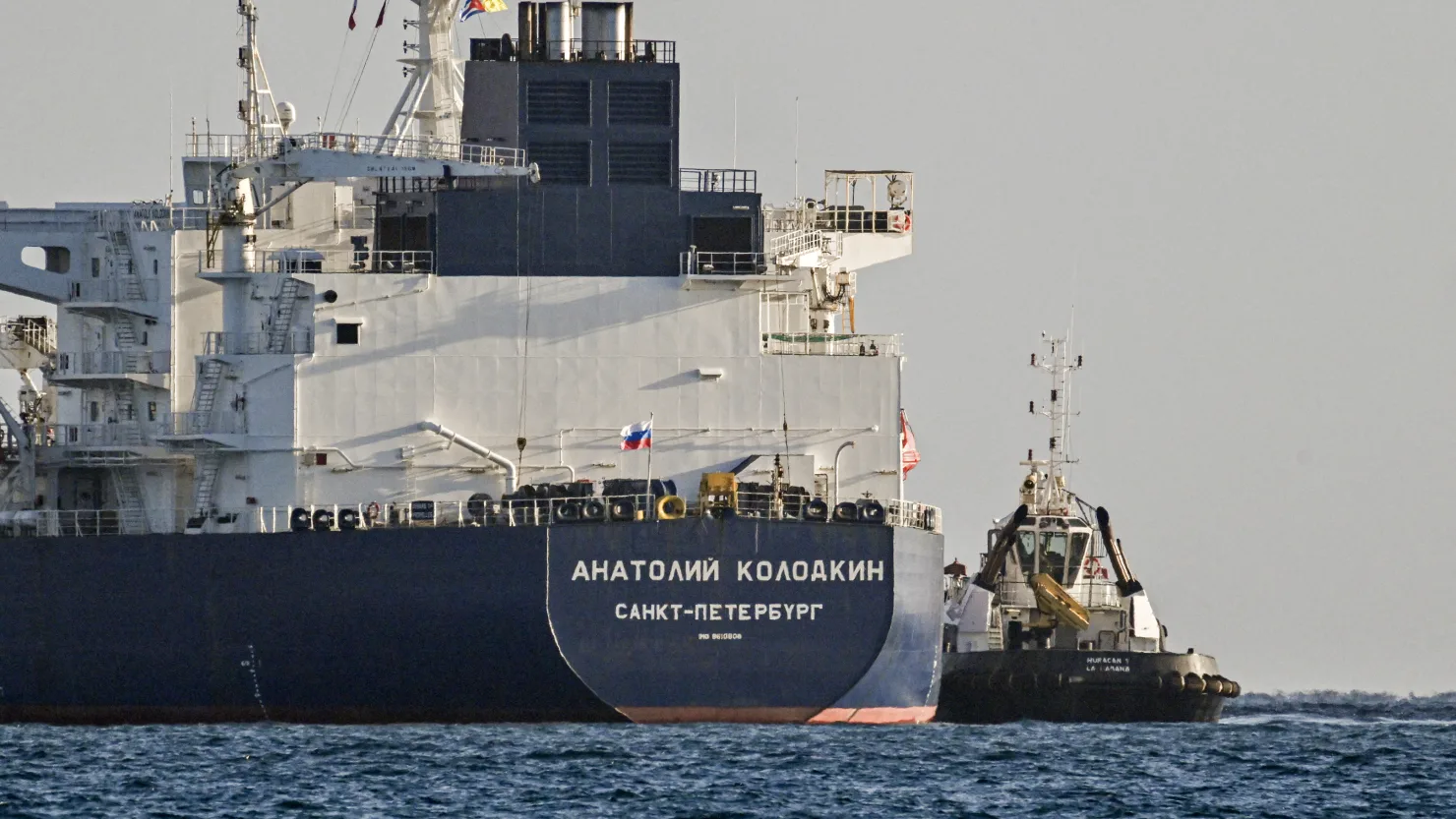
The economic fallout has also been significant, as disruption to Middle Eastern shipping routes and oil supplies has boosted energy prices and rattled global markets. Meanwhile, diplomatic efforts to end the hostilities have seen limited success, with some indications that intelligence operatives from Iran signalled openness to opening talks with U.S. counterparts — though no formal negotiation has yet been confirmed.
As the war continues with no clear end in sight, the durability of the Trump-Netanyahu alliance — once considered one of the strongest in recent U.S.–Middle Eastern geopolitics — is being tested like never before.