TAMPA, March 6 — The United States military has sunk more than 30 Iranian vessels and begun striking missile production facilities as part of an expanded campaign against Iran’s military infrastructure, top U.S. defence officials said on Friday — a sign that Operation Epic Fury is entering a new phase of sustained offensive action.
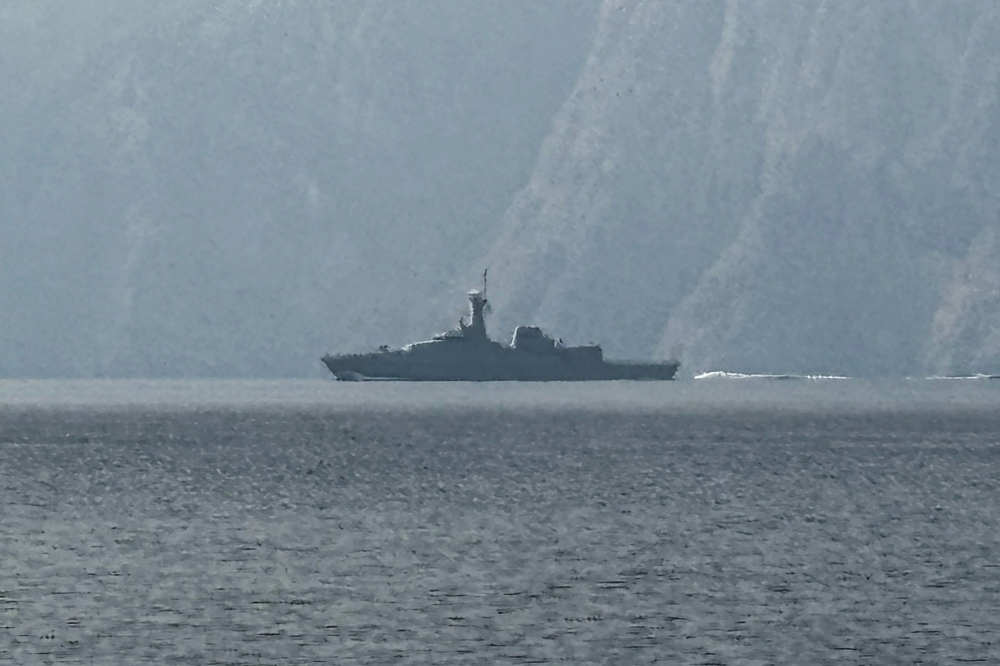
According to Admiral Brad Cooper, commander of United States Central Command (CENTCOM), U.S. forces have successfully engaged and destroyed dozens of Iranian naval targets since the conflict began, including a large “drone carrier” ship roughly the size of a World War II‑era aircraft carrier, which was reported to be on fire after being struck.

Reduced Iranian Missile and Drone Attacks
Cooper told reporters that ballistic missile launches by Iranian forces have fallen by about 90 per cent from the opening days of hostilities, while drone attacks have dropped by roughly 83 per cent, reflecting the mounting impact of U.S. and allied operations.
The campaign — launched on February 28 alongside Israeli military action — has included intensive air strikes against Iranian missile launchers, drone depots, and other strategic targets. Both countries have framed the offensive as a necessary step to degrade Tehran’s ability to conduct future attacks across the region.
Next Phase: Targeting Missile Production Infrastructure
Beyond eliminating Iranian warships and reducing immediate threats from drone and ballistic attacks, U.S. military leaders say the next goal is to systematically dismantle Iran’s ballistic missile industrial base. Cooper explained that this shift reflects a transition from focusing solely on battlefield targets to undermining Iran’s long‑term weapons production capabilities.
This strategic shift comes as American forces increasingly employ precision long‑range strike capabilities and seek to disrupt the facilities responsible for building missiles and other weapons systems used in the conflict.
Wider Regional Context
The strikes form part of a broader escalation in tensions across the Middle East, triggered by the joint U.S.–Israeli offensive and followed by waves of attacks by Iran using drones and missiles against neighbouring countries. While U.S. officials say the strategy has significantly degraded Iran’s offensive capability, humanitarian and geopolitical concerns continue to mount.
As the operation continues, analysts say that the focus on high‑value industrial targets could shape not only the immediate tactical outcome of the conflict but also the longer‑term balance of military power in the region.