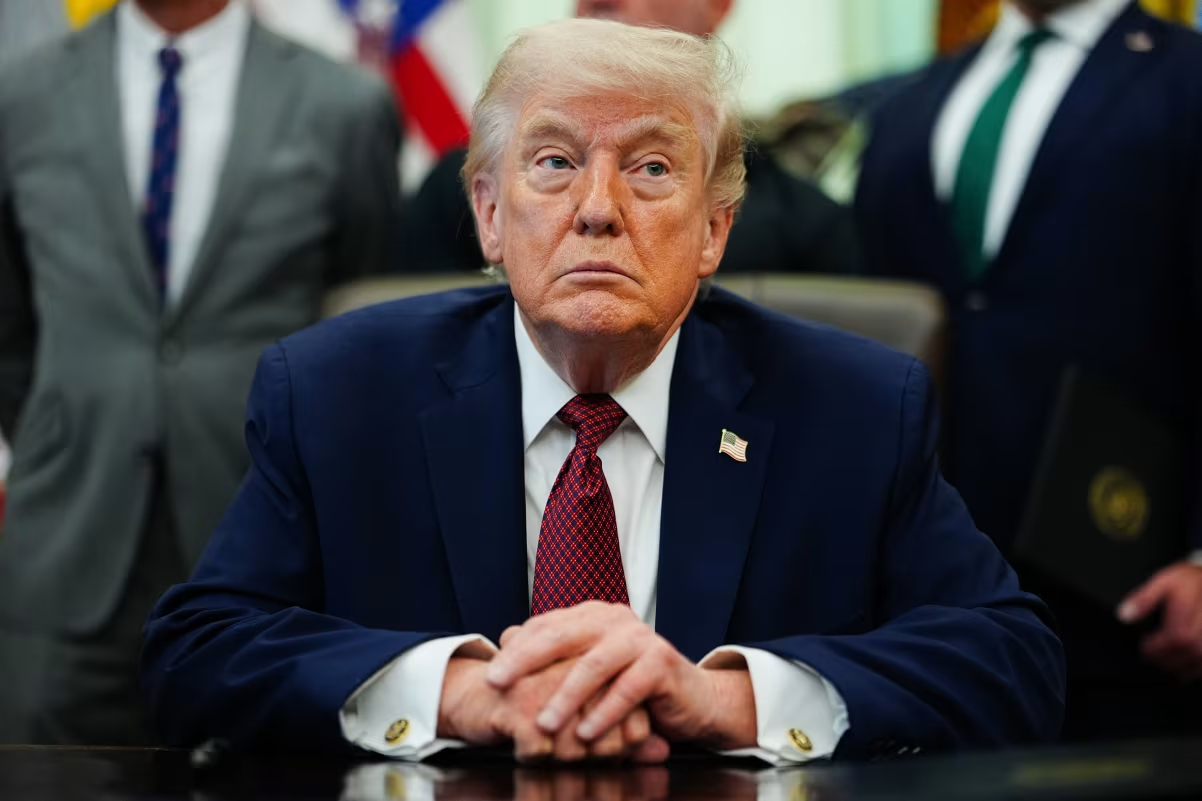
March 10 — Republican lawmakers gathered for a strategic meeting with U.S. President Donald Trump at his golf club in Florida, aiming to address growing concerns that the ongoing war involving Iran could negatively affect the party’s prospects in the upcoming November midterm elections.
The meeting, part of the party’s annual strategy conference, comes at a critical moment for Republicans who currently hold a narrow majority in Congress. Party leaders fear that the expanding conflict in the Middle East — combined with rising fuel prices and economic uncertainty — could weaken public support ahead of the national vote.

Iran War Looms Over Political Strategy
The annual gathering, held at Trump’s Miami-area golf club, had long been scheduled as a planning session for the upcoming election cycle. However, the Iran conflict quickly became the central topic of discussion among party leaders.
The war began after the United States launched strikes alongside Israel against Iranian targets, triggering retaliatory attacks across the Middle East and raising global tensions. The escalation has sent shockwaves through global markets and pushed crude oil prices to multi-year highs.
Rising oil prices have already translated into higher fuel costs for American consumers — a development that could become a politically sensitive issue in the months leading up to the elections.
Republican strategists are therefore seeking ways to manage the political impact of the conflict and prevent it from becoming a major liability at the ballot box.
Concerns Over Public Sentiment
Political analysts say foreign policy issues typically do not dominate U.S. midterm elections. However, that can change if the conflict begins affecting voters’ daily lives, particularly through higher fuel costs or economic instability.
Todd Belt, a professor of political management at George Washington University, noted that foreign policy becomes politically significant when it directly impacts voters.
According to him, conflicts abroad can quickly become domestic political issues if they drive inflation, energy prices or economic uncertainty.
Divisions Emerging Within Republican Ranks
The Iran war has also exposed divisions within the Republican Party, particularly among supporters of Trump’s “America First” agenda who had hoped the administration would avoid new overseas conflicts.
Some conservative figures have criticised the decision to launch military operations against Iran. Former Trump ally Marjorie Taylor Greene described the conflict as a “betrayal” of the populist movement that had championed ending foreign wars.
Prominent conservative commentator Megyn Kelly has also expressed doubts about the military campaign, reflecting broader debate among right-leaning political voices.
Despite these criticisms, most Republican lawmakers in Congress have publicly supported the administration’s actions so far.
Trump Focuses on Election Strategy
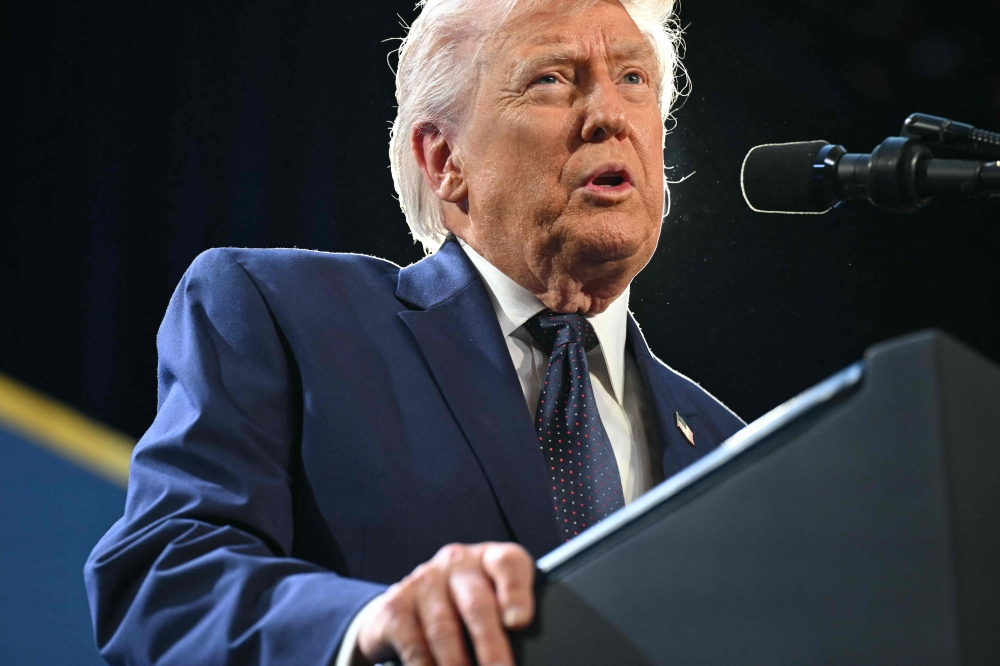
During his opening remarks at the meeting, Trump emphasised the importance of securing the party’s political future by focusing on election integrity measures.
He urged lawmakers to support legislation that would require stricter photo identification for voting, arguing that such measures would help ensure Republican success in the upcoming elections.
The president framed the issue as central to protecting the party’s position in Congress.
High Stakes for Republicans
The stakes are particularly high for Republicans heading into the midterms. Losing their slim majority in either chamber of Congress could significantly weaken Trump’s political influence and hinder his policy agenda during the final years of his presidency.
Political strategists say the outcome of the midterm elections could determine whether the administration maintains legislative momentum or faces increased opposition from Democrats.
War’s Political Impact Still Uncertain
While the Iran conflict has already created political debate, its long-term impact on American voters remains uncertain.
Some analysts believe the issue could fade from public attention if the conflict ends quickly or avoids further escalation. Others warn that prolonged fighting or economic consequences — particularly rising fuel prices — could make the war a major campaign issue.
For now, Republican leaders are working to contain the political fallout while presenting a unified front ahead of one of the most consequential elections of Trump’s presidency.