BAGHDAD, March 30 — Iraq has announced that it will keep its national airspace closed until Tuesday as regional tensions continue to rise following joint United States and Israeli airstrikes on Iran, a development that has significantly increased security concerns across the Middle East.
According to Iraqi aviation authorities, the decision to extend the airspace closure was made as a precautionary step to safeguard civilian aircraft and passengers. Officials emphasized that the escalating military activity in the region has created a potentially dangerous environment for commercial aviation, prompting the government to temporarily suspend all civilian flight operations across Iraqi airspace.

The closure affects both domestic and international flights, with airlines forced to reroute aircraft around Iraqi territory. Several global carriers operating routes between Europe, Asia and the Gulf region have already adjusted their flight paths or cancelled certain services to avoid the conflict zone. Aviation experts warn that the disruption could increase flight times, raise operational costs for airlines, and create delays for passengers traveling through the region.
The move comes after the latest wave of military strikes targeting Iranian facilities, which has heightened fears of a wider regional confrontation. The strikes, reportedly carried out by the United States and Israel, targeted strategic infrastructure linked to Iran’s military and energy sectors. The attacks have triggered strong reactions from Tehran and increased concerns that retaliatory actions could further destabilize the region.
Iraq’s geographical position places it directly between major regional powers, making its airspace one of the most important corridors for international aviation in the Middle East. Because of this strategic location, any escalation involving Iran or neighboring countries can quickly affect flight operations passing through Iraqi skies.
Authorities said the Iraqi government acted quickly to clear the airspace of civilian aircraft before implementing the closure. Aviation officials confirmed that commercial planes were redirected to alternative routes to ensure passenger safety while the security situation continues to be monitored.
The regional aviation industry has already felt the impact of the rising tensions. Multiple Middle Eastern countries have introduced temporary restrictions on air travel, while several airports across the region have increased security measures. Some airlines have also begun reviewing their flight schedules and contingency plans in case the conflict expands further.
Analysts say the situation highlights the vulnerability of global aviation networks to geopolitical tensions. The Middle East remains a critical hub for international air travel, with thousands of flights crossing the region every day. Any prolonged airspace closure could significantly disrupt global travel routes and logistics networks.
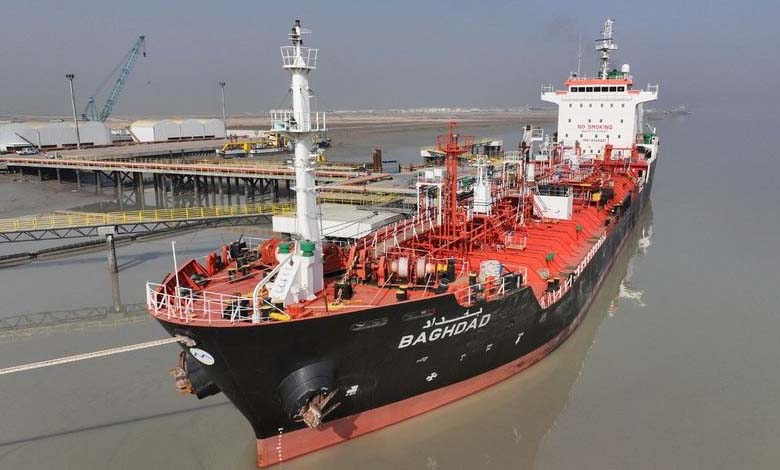
In addition to aviation concerns, the growing conflict has also raised fears about potential impacts on global energy markets. The Middle East is home to some of the world’s most important oil shipping routes, including the Strait of Hormuz. Escalating military activity in the region has already caused volatility in oil prices and increased uncertainty in global financial markets.
Iraqi officials have reiterated that the temporary closure of the country’s airspace is purely a safety precaution and will remain in effect until authorities determine that conditions are stable enough to resume normal flight operations. The government is continuing to monitor developments closely in coordination with regional partners and international aviation authorities.
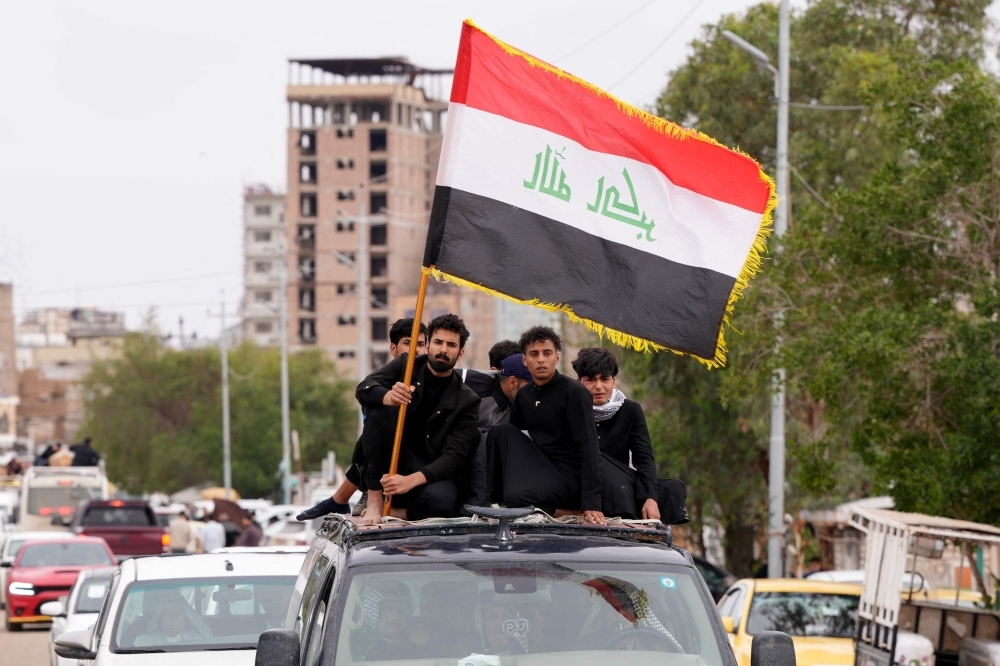
Security forces across Iraq have also been placed on heightened alert as the government seeks to prevent the conflict from spilling over into its territory. Iraq has long sought to maintain a delicate balance in its relations with both Western allies and neighboring Iran, making the current situation particularly sensitive.
For now, travelers and airlines are being advised to closely monitor updates from aviation authorities as the situation evolves. Officials say further decisions regarding the reopening of Iraqi airspace will depend on the security environment across the wider Middle East in the coming days.
The extension of the airspace closure underscores the growing regional impact of the ongoing conflict, demonstrating how geopolitical tensions can quickly affect global transportation networks, economic stability, and international security.