KUALA LUMPUR,April— The Penang government has confirmed that physical construction for the next phases of the Juru–Sungai Dua traffic decongestion project will begin in the third quarter of 2026, signaling a major milestone in efforts to address long-standing traffic congestion in mainland Penang.
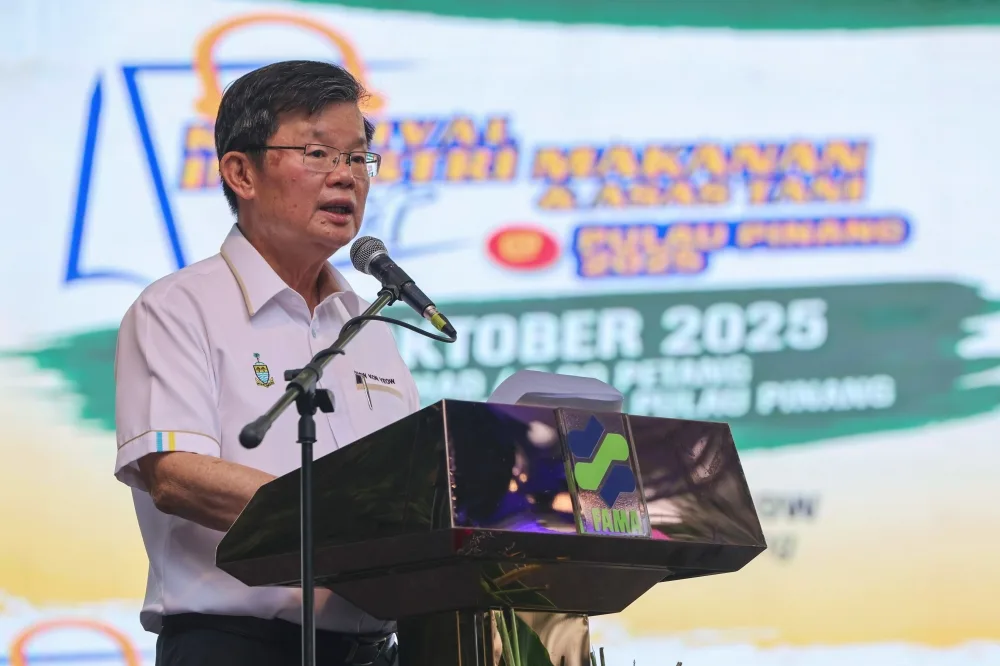
Penang Chief Minister Chow Kon Yeow said the transition into full-scale construction reflects steady progress following earlier preparatory works, including planning, land-related processes, and initial groundwork.

The Juru–Sungai Dua project is widely regarded as one of Penang’s most important transport infrastructure initiatives, aimed at resolving severe congestion along the North–South Expressway (NSE) corridor.
This stretch—connecting industrial zones, residential areas, and logistics routes—has long been identified as a major bottleneck, particularly during peak commuting hours.
The upcoming phase will involve:
- Large-scale road expansion works
- Construction of elevated highway sections
- Development of new interchanges and flyovers
- Upgrading of existing junctions and access roads
These improvements are designed to increase road capacity while ensuring smoother traffic distribution across the network.
The Juru–Sungai Dua decongestion initiative is a multi-phase, multi-package mega project, structured to ensure gradual implementation while minimizing disruption to daily traffic.
Key features of the project include:
- A 17-kilometre highway corridor
- Approximately 9 kilometres of elevated roadway
- Integration with existing highways, including the NSE
- Multiple access points connecting industrial and urban zones
The elevated design is particularly significant, as it will allow through-traffic to bypass congested ground-level routes, separating local and long-distance traffic flows.
Traffic congestion between Juru and Sungai Dua has been a persistent issue for years, affecting:
- Daily commuters traveling to and from work
- Logistics and freight operators
- Industrial supply chains in areas such as Bukit Minyak and Perai
During peak hours, travel times along this corridor can increase significantly due to heavy vehicle volumes and limited road capacity.
Transport planners believe the project will:
- Reduce travel time by a substantial margin
- Improve reliability of journey schedules
- Lower congestion-related stress for road users
- Enhance overall traffic efficiency across Penang
Beyond improving mobility, the project is expected to deliver strong economic benefits.
The corridor serves as a critical link between major industrial hubs in Penang, including:
- Manufacturing zones
- Logistics centers
- Export-oriented industries
By easing congestion, the project will:
- Improve delivery efficiency for businesses
- Reduce transportation and fuel costs
- Strengthen Penang’s competitiveness as an investment destination
- Support long-term industrial growth
Experts estimate that more than 200,000 road users daily will benefit once the project is fully operational.
Given the importance of the route, authorities have emphasized a carefully managed construction approach.
The project will be executed in stages to ensure:
- Minimal disruption to existing traffic flow
- Continued accessibility for commuters and businesses
- Implementation of temporary traffic management systems
- Strict adherence to safety standards
Real-time updates and traffic advisories are expected to be issued throughout the construction period to keep road users informed.
The Juru–Sungai Dua project forms part of a wider infrastructure and economic development plan in Penang.
Other major initiatives include:
- Expansion of industrial zones such as Batu Kawan
- Improvements to port and logistics facilities
- Developme
Together, these projects aim to enhance Penang’s position as a key economic and logistics hub in Malaysia and the wider ASEAN region.
Authorities have also indicated that environmental and urban planning factors are being taken into account.
Measures are expected to include:
- Efficient land use planning
- Minimizing environmental impact during construction
- Ensuring sustainable development practices
- Reducing emissions through improved traffic flow
Reducing traffic congestion is also expected to lower vehicle emissions over time, contributing to better air quality
While the project promises long-term benefits, several challenges remain:
- Managing traffic during construction phases
- Ensuring timely completion within budget
- Coordinating multiple contractors and project packages
- Addressing public concerns over temporary disruptions
Authorities have expressed confidence that with proper planning and coordination, these challenges can be effectively managed.
The start of physical works in Q3 2026 represents a crucial turning point in the Juru–Sungai Dua project.
Once completed—targeted around 2030—the project is expected to significantly transform traffic conditions in mainland Penang, delivering:
- Faster and more efficient travel
- Reduced congestion and travel delays
- Improved logistics and economic productivity
- Better quality of life for residents
As Penang continues to grow as an industrial and urban center, infrastructure projects like this will play a vital role in supporting sustainable development and long-term economic resilience.