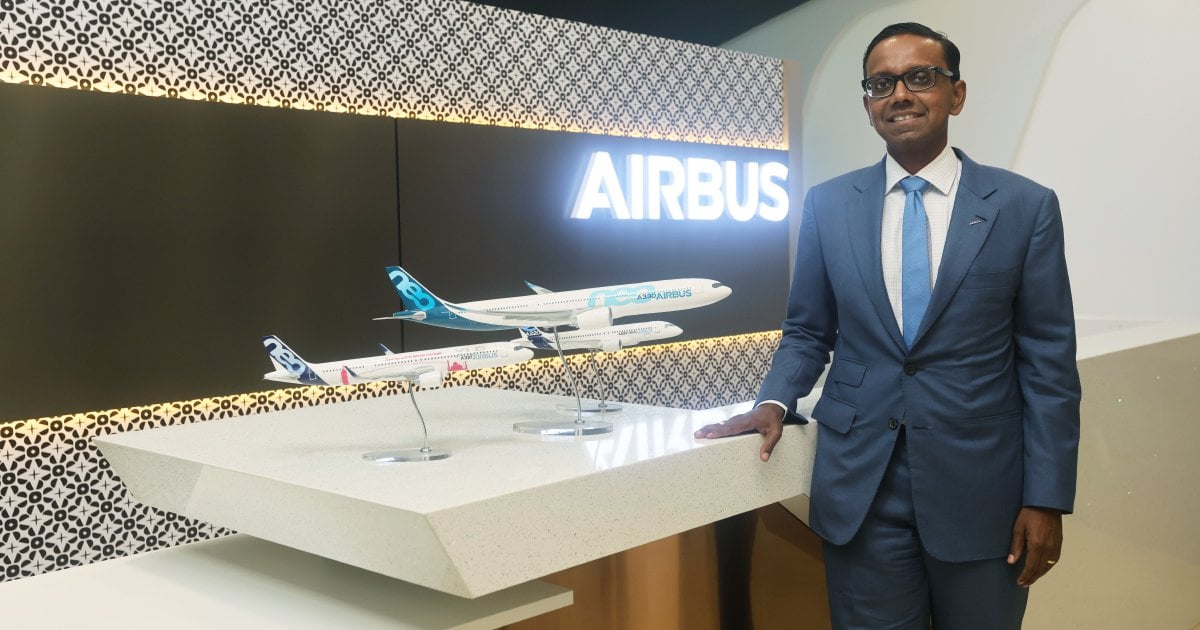
KUALA LUMPUR, April, 2026 — Global aircraft manufacturer Airbus has expressed strong confidence in Malaysia’s potential to emerge as a major aviation mega hub in the Asia-Pacific region, citing increasing demand for long-haul travel and the country’s growing role in global air connectivity.According to Airbus Asia-Pacific President Anand Stanley, Malaysia—particularly Kuala Lumpur International Airport (KLIA)—is well-positioned to become a “super connector”, joining established aviation hubs such as Singapore and Hong Kong.Malaysia Positioned as Emerging Aviation PowerhouseStanley noted that there is room for another major aviation hub in the region, and Malaysia has the right fundamentals to fill that gap. A “super connector” refers to an airport or airline hub capable of efficiently linking high volumes of passengers across long-haul and regional routes.Malaysia’s strengths include:Strategic geographic location in Southeast AsiaStrong domestic and regional travel demandExpanding long-haul connectivity to global marketsEstablished aviation ecosystem and supply chainHe added that Malaysia has already become Airbus’ third-largest market in Asia-Pacific, behind China and India, reflecting robust demand for aircraft and aviation services.Rising Demand for Long-Haul AircraftA key driver behind Airbus’ optimism is the growing demand for long-haul and ultra-long-haul travel, as global aviation continues to recover and expand.New-generation aircraft are playing a critical role in this transformation, including:Airbus A321XLR for extended regional routesAirbus A330neo for medium to long-haul efficiencyAirbus A350 for intercontinental travelThese aircraft allow airlines to:Open new direct routesImprove fuel efficiencyIncrease passenger capacityEnhance connectivity between emerging and major marketsThis trend is expected to significantly boost Malaysia’s role as a transit hub linking Asia with Europe, the Middle East, and beyond.KLIA’s Strategic Role in Regional ConnectivityKuala Lumpur International Airport is central to Malaysia’s ambition of becoming a mega aviation hub.KLIA already serves as a key gateway for:Southeast Asian regional travelLong-haul international flightsCargo and logistics operationsWith further expansion and increased airline activity, KLIA could evolve into a major transit point for global passengers, similar to leading hubs like Singapore Changi and Hong Kong International Airport.Strong Aerospace Ecosystem in MalaysiaAirbus also highlighted Malaysia’s growing aerospace industry as a major advantage.The company maintains a significant presence in the country, including:Engineering and design facilitiesMaintenance, Repair and Overhaul (MRO) operationsTraining centres and helicopter hubsMalaysia is also home to key aerospace suppliers such as Composites Technology Research Malaysia (CTRM), which contributes to the production of aircraft components.This ecosystem supports:Job creationTechnology transferIndustrial growthLong-term aviation sustainabilityEconomic and Strategic ImpactMalaysia’s emergence as an aviation hub could have far-reaching economic implications, including:Increased tourism and international arrivalsGrowth in aviation-related industriesExpansion of trade and logistics networksAttraction of foreign investmentAnalysts note that the aviation sector is a key pillar of the digital and globalised economy, with connectivity playing a crucial role in economic competitiveness.Regional Competition and OpportunitiesDespite strong potential, Malaysia faces competition from established aviation hubs such as Singapore and Hong Kong.However, industry experts believe Malaysia has a unique opportunity to position itself as:A cost-efficient alternative hubA fast-growing transit pointA strategic connector between emerging marketsWith the right infrastructure investments and policy support, Malaysia could capture a larger share of global air traffic.Airbus’ endorsement highlights Malaysia’s rising importance in the global aviation landscape. With increasing demand for long-haul travel, modern aircraft technology, and a strong regional position, the country is well on track to become a key aviation mega hub in Asia-Pacific.As the aviation industry continues to evolve, Malaysia’s ability to capitalise on this momentum will determine its role in shaping the future of global air connectivity.
Airbus Backs Malaysia as Next Aviation Mega Hub Amid Rising Long-Haul Aircraft Demand