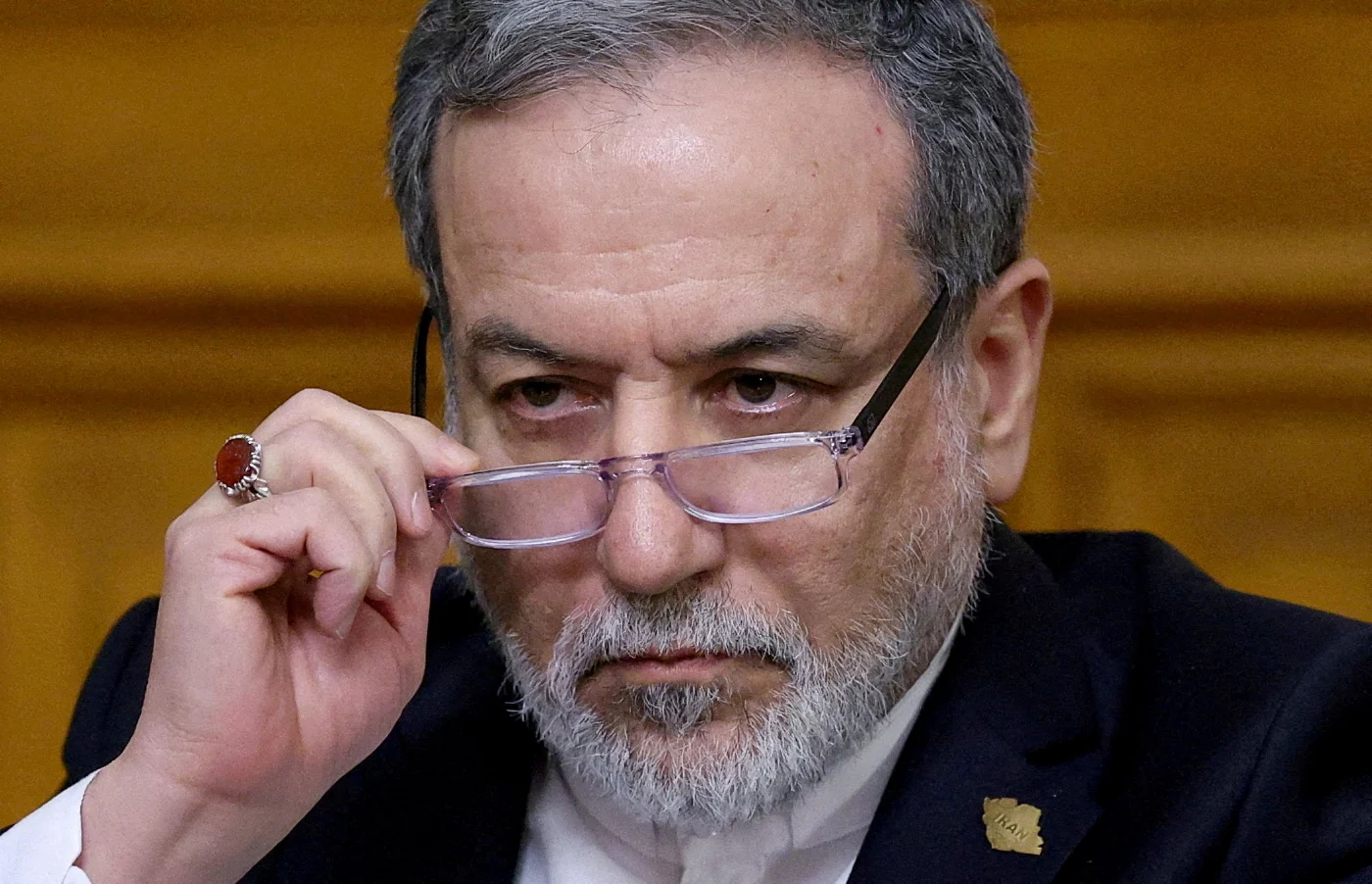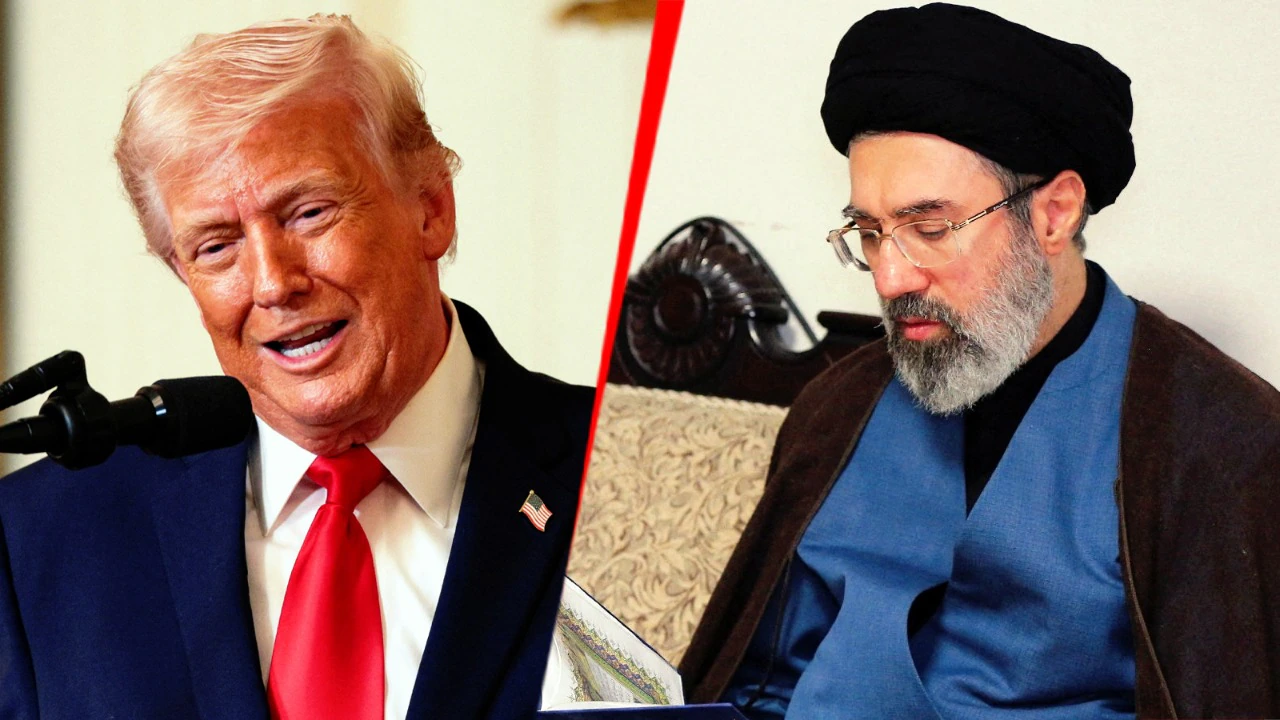
Kuala Lumpur — The fragile two-week ceasefire between the United States and Iran is on the brink of collapse, with the truce scheduled to expire on April 22. In a significant setback to ongoing diplomatic efforts, Tehran has announced it will skip the planned second round of negotiations in Islamabad, Pakistan, describing Washington’s demands as “excessive,” “unrealistic,” and even “childish.”
The ceasefire, brokered by Pakistan and announced on April 8, had temporarily halted direct attacks in Iran and the Gulf region amid a nearly two-month-long conflict. However, hopes for an extension or a permanent peace deal have dimmed rapidly after Iran’s latest decision.

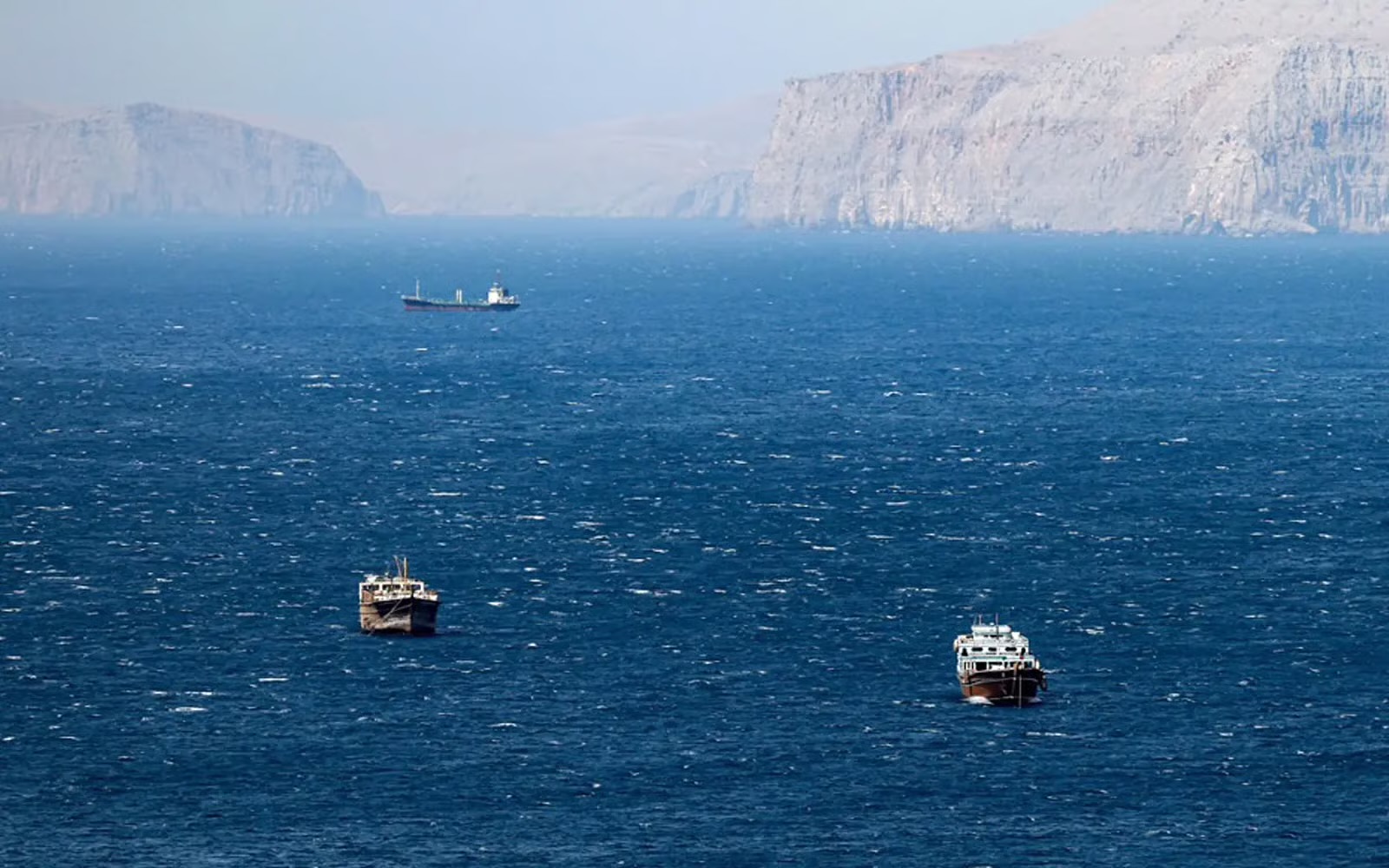
According to Iranian state media, Tehran’s refusal stems from what it calls Washington’s unreasonable expectations, shifting positions, and contradictions during talks. Iranian officials have also pointed to the ongoing U.S. naval blockade of Iranian ports and the Strait of Hormuz as a clear violation of the truce terms, further eroding trust.
This development comes just hours after U.S. President Donald Trump stated that American negotiators, including Vice President JD Vance, Steve Witkoff, and Jared Kushner, would travel to Islamabad for a new round of discussions. Trump had earlier described the upcoming talks as a critical opportunity, warning of “severe consequences” — including potential strikes on Iranian infrastructure — if no agreement is reached.
Pakistan has been actively mediating between the two sides, with its officials conducting high-level visits to both Tehran and Washington in recent days to keep the dialogue alive. Despite these efforts, no new date has been confirmed for talks, and Iranian Ambassador to Pakistan Reza Amiri Moghadam has reiterated that Tehran is only willing to engage in Pakistan as the venue.
The first round of face-to-face negotiations in Islamabad last weekend lasted over 21 hours but ended without a breakthrough, leaving both parties far apart on key issues, including Iran’s nuclear program, missile capabilities, regional proxies, and freedom of navigation in the Strait of Hormuz.
With the ceasefire expiration just two days away, tensions are rising across the region. Analysts warn that failure to extend the truce could lead to a swift resumption of hostilities, with potential disruptions to global oil supplies if the Strait of Hormuz — a vital chokepoint for energy shipments — becomes a flashpoint once again.
As the clock ticks down, international observers are closely watching whether last-minute backchannel communications or renewed Pakistani mediation can salvage the situation before April 22.
This article is an original rewrite based on the headline and reported events from multiple sources covering the US-Iran tensions.