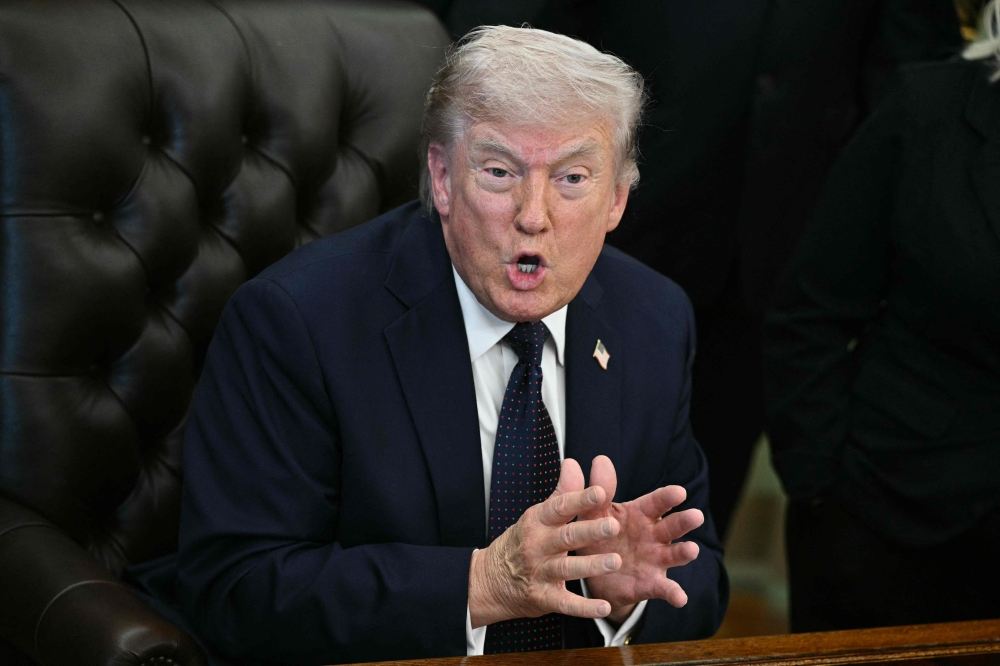
KUALA LUMPUR, April 24, 2026 — U.S. President Donald Trump has firmly ruled out the use of nuclear weapons in the ongoing conflict involving Iran, signaling a shift toward restraint despite earlier rhetoric that sparked global concern.
Speaking during a recent press briefing, Trump stated clearly that nuclear weapons should “never be used by anybody,” emphasizing that the United States does not see a need to escalate the conflict to that level.
From Strong Threats to Strategic Restraint
The statement marks a notable contrast to Trump’s earlier warning, where he suggested that an entire civilisation could be wiped out if Iran failed to comply with U.S. demands during escalating tensions.
Those remarks triggered widespread criticism from international leaders, legal experts, and humanitarian organizations, raising concerns about the potential use of extreme military force.
However, the latest position indicates a more measured approach, focusing on conventional military capabilities and diplomatic negotiations instead of nuclear escalation
Ceasefire and Ongoing Negotiations
Trump’s comments come amid a fragile ceasefire in the region, following weeks of intense conflict involving the United States and its allies.
According to reports, the U.S. administration is prioritizing:
Long-term peace agreements rather than quick deals
Sustained diplomatic pressure on Tehran
Maintaining military readiness without escalating to nuclear options
The president also indicated that while a deal could be reached quickly, the focus is on achieving a “lasting and permanent” resolution rather than a temporary fix.
Military Strength Without Nuclear Use
Trump emphasized that U.S. forces have already achieved significant military objectives using conventional weapons, claiming that Iran’s capabilities have been substantially weakened.
He reiterated that:
Nuclear weapons are unnecessary in the current conflict
Conventional military power remains sufficient
The U.S. retains the ability to respond rapidly if needed
This stance aligns with broader efforts to avoid further escalation in an already volatile region.
Global Reactions and Concerns
The shift away from nuclear rhetoric has been cautiously welcomed by global observers, though concerns remain about the unpredictability of the situation.
Earlier threats to destroy civilian infrastructure and “wipe out civilisation” had drawn sharp criticism, with experts warning such actions could violate international law and escalate into a broader conflict.
Despite the latest reassurance, analysts note that:
Tensions in the Middle East remain high
The ceasefire remains fragile
Diplomatic outcomes are still uncertain
Geopolitical Impact
The U.S.-Iran conflict continues to influence global markets and geopolitical stability, particularly in:
Oil prices and energy supply routes
Maritime security in the Strait of Hormuz
Regional alliances and military positioning
Any escalation—or de-escalation—has immediate global consequences, making diplomatic progress critical.
President Donald Trump’s decision to rule out nuclear weapons marks a significant moment in the ongoing conflict with Iran.
While earlier rhetoric raised fears of extreme escalation, the latest stance signals a shift toward strategic restraint and diplomatic resolution.
However, with tensions still high and negotiations ongoing, the situation remains fluid, and global attention continues to focus on the next steps in one of the most critical geopolitical crises of 2026.
Trump Rules Out Nuclear Strike on Iran Despite Earlier “Civilisation” Threat