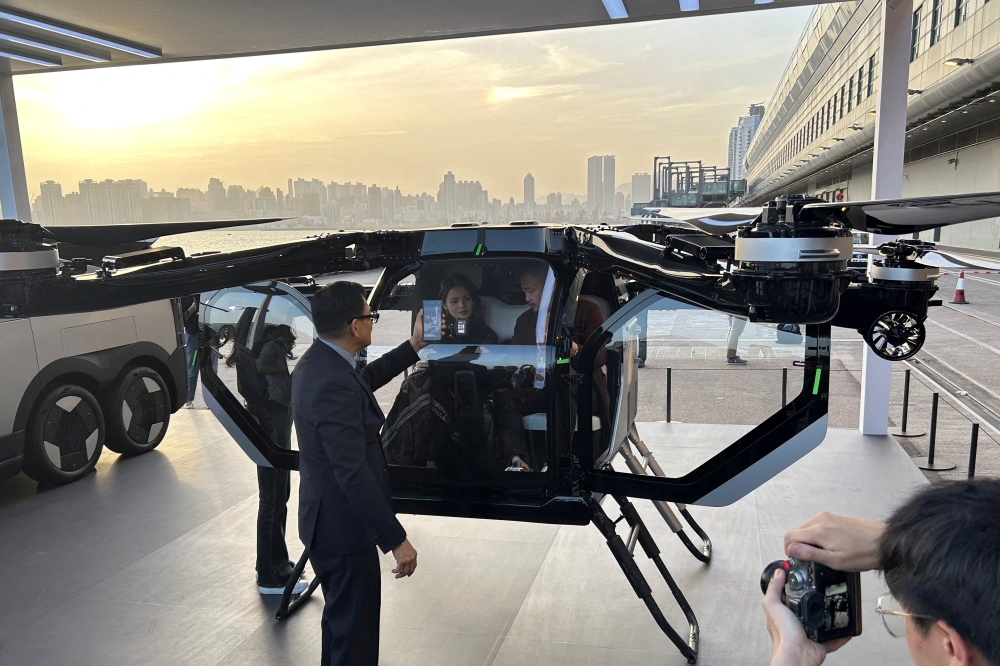
KUALA LUMPUR, April, 2026 — XPeng has unveiled ambitious plans to redefine the future of mobility, announcing its goal to begin deliveries of flying cars by 2027 while targeting the rollout of humanoid robots in 2026.The announcement, made by company president Brian Gu, highlights XPeng’s transformation from a traditional electric vehicle manufacturer into a broader AI-driven mobility and robotics company Flying Cars Set for 2027 LaunchXPeng confirmed that it aims to begin large-scale production and delivery of its flying cars by 2027, marking a significant milestone in next-generation transportation.
Key developments include:
• Over 7,000 pre-orders already secured, mainly in China
• Ongoing efforts to obtain aviation regulatory approvals
• Plans for global trials in collaboration with partners
The company is preparing to scale production rapidly, with expectations to manufacture hundreds to thousands of units within the next 12 to 18 months leading up to full deployment
Humanoid Robots to Launch in 2026
In addition to flying vehicles, XPeng is also entering the robotics sector, with plans to begin mass production of humanoid robots by the fourth quarter of 2026.
Initial use cases for these robots include:
• Customer service roles (receptionists)
• Retail and sales assistance
• Smart facility operations
Executives believe the robotics division could eventually surpass the automotive business in long-term value, reflecting the growing importance of artificial intelligence and automation

Expanding AI and Mobility Ecosystem
XPeng’s strategy goes beyond vehicles, positioning itself as a leader in what it calls “physical AI”, integrating:
• Flying cars
• Robotaxis
• Humanoid robots
• Autonomous driving systems
This ecosystem aims to create a seamless future where transportation and intelligent machines operate together in daily life.
Strategic Partnerships and Global Expansion
The company also highlighted growing cooperation with global partners, including Volkswagen, as part of its international expansion strategy.
Key focus areas include:
• Joint development of electric vehicles
• Shared technology platforms
• Expansion into global markets
XPeng currently operates in multiple countries and expects international markets to contribute a significant share of future revenue.
Industry Impact and Future Outlook
XPeng’s aggressive roadmap reflects broader trends in the global automotive and technology sectors, where companies are increasingly investing in:
• Autonomous mobility
• AI-powered robotics
• Next-generation transportation systems
Industry analysts believe that:
• 2027 could be a turning point for commercial flying vehicles
• Robotics integration will reshape service industries
• AI ecosystems will define the next phase of tech competition
Challenges Ahead
Despite the optimism, several challenges remain:
• Regulatory approvals for flying vehicles
• Safety and infrastructure requirements
• High production and development costs
• Public adoption and trust in new technologies
However, XPeng’s early investment and strong demand signal growing confidence in the future of advanced mobility.
XPeng’s plan to deliver flying cars by 2027 and roll out humanoid robots in 2026 marks a bold step toward a technology-driven future of mobility and automation.
As the company expands beyond electric vehicles into AI and robotics, it is positioning itself at the forefront of a rapidly evolving global industry.
If successful, XPeng could play a key role in shaping how people move, interact, and live in the decades ahead.