KUALA LUMPUR, El Sky News – As many advanced economies brace for slowing growth, the Asia-Pacific region once again surges ahead as the world’s primary growth engine for 2025. With projected growth hovering around 4.0%, well above the global average, the region continues to cement its position as a dynamic hub that draws major investor attention.
For Malaysia, strategically located at the heart of this vibrant corridor, the growth momentum presents both opportunities and challenges, demanding agile economic policies to remain competitive.

Solid Outlook Amid Global Uncertainty
International financial institutions such as the Asian Development Bank (ADB) and the World Bank remain consistent in their assessment: despite global pressures including inflation, high interest rates, and persistent geopolitical tensions, the Asia-Pacific region, particularly Southeast Asia and India, continues to shine.
Regional growth is fuelled by key drivers:
Strong Domestic Demand
In countries such as India, the Philippines, and Indonesia, rising demand from a rapidly expanding middle class and youthful population acts as a buffer against weaker export markets in the West.
Supply Chain Recovery
The rebound in global trade, particularly in the semiconductor sector, is injecting new momentum into high-tech exporting nations like South Korea, Taiwan, and Malaysia.
Technological Advancement
Investments in digitalisation, green infrastructure, and emerging technologies such as Artificial Intelligence (AI) are powering future-focused services and manufacturing sectors.
Malaysia: A Key Export Engine and Technology Hub
As an open economy heavily reliant on trade and foreign direct investment (FDI), Malaysia’s economic trajectory remains intertwined with the region’s growth.
Malaysia is projected to record healthy expansion, estimated around 4.3% to 4.5% by several rating agencies, supported by:
E&E Sector
The rapid recovery of the global semiconductor cycle continues to breathe life into Malaysia’s Electrical and Electronics (E&E) sector. Long recognised as a vital player in the global chip supply chain, Malaysia continues to attract new investments that strengthen its position.
Green Energy Transition
The government’s push towards renewable energy and the expansion of high-capacity Data Centres has made Malaysia an increasingly attractive destination for major tech giants seeking sustainable power sources.
Tourism Recovery
A steady rebound in the tourism sector post-pandemic is injecting fresh revenue into the services economy.
Navigating Risks to Stay Resilient
Despite the optimistic outlook, the growth narrative is tempered by external risks that require careful management:
Geopolitics and Protectionism
Rising trade tensions and the growing trend of tariff increases and protectionist policies in some countries could disrupt trade flows and dampen investment activity.
Financial Market Volatility
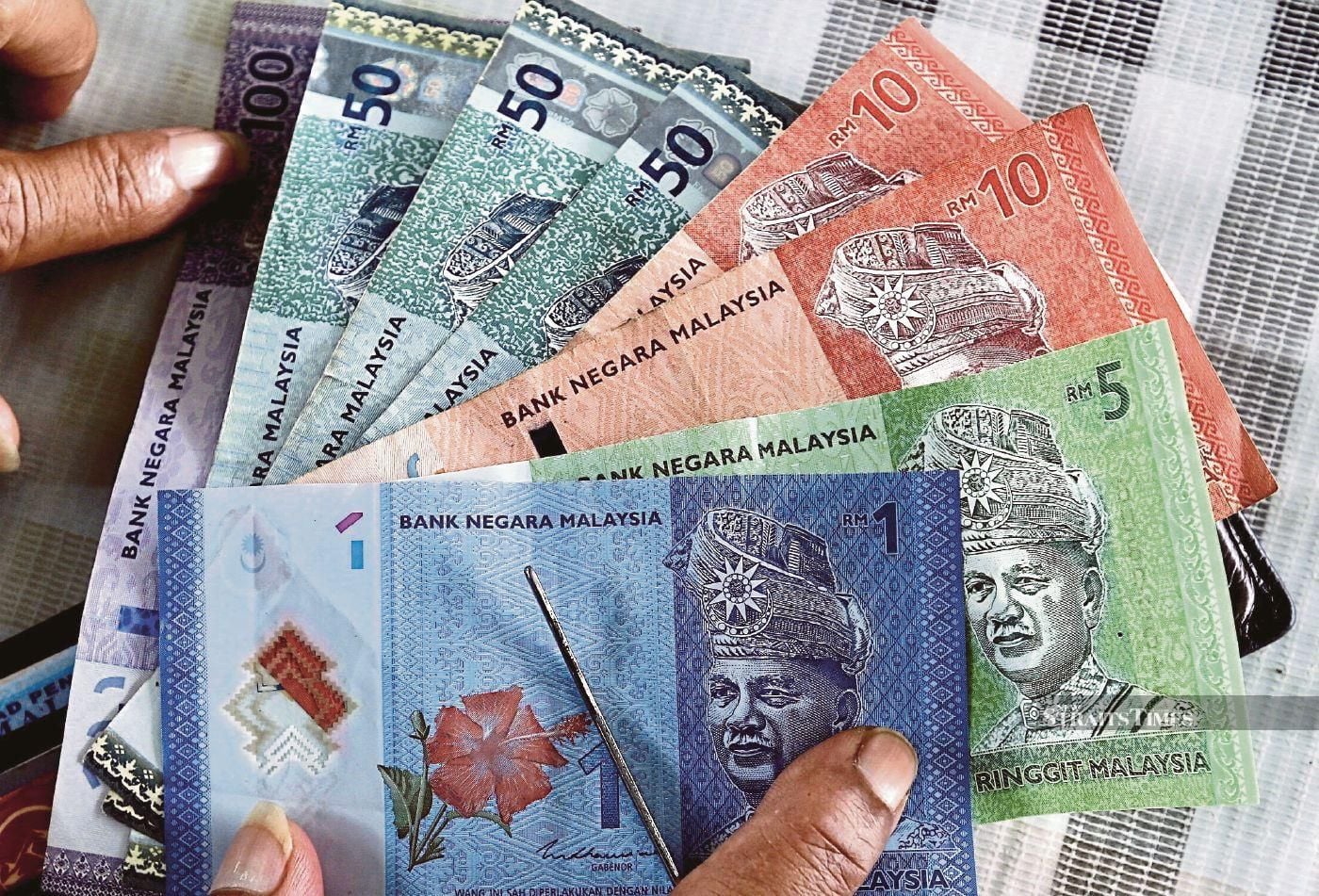
Persistently high U.S. interest rates continue to put pressure on regional currencies, including the Malaysian Ringgit. Bank Negara Malaysia (BNM) must balance price stability with the need to support domestic growth.
Overall, the Asia-Pacific region continues to offer resilience and growth opportunities unmatched by other parts of the world. For Malaysia to fully harness this potential, emphasis must be placed on structural reforms, boosting productivity, and directing incoming investments into high value-added sectors aligned with the future economic agenda.
Only then can Malaysia remain a powerful engine within the Asia-Pacific locomotive.