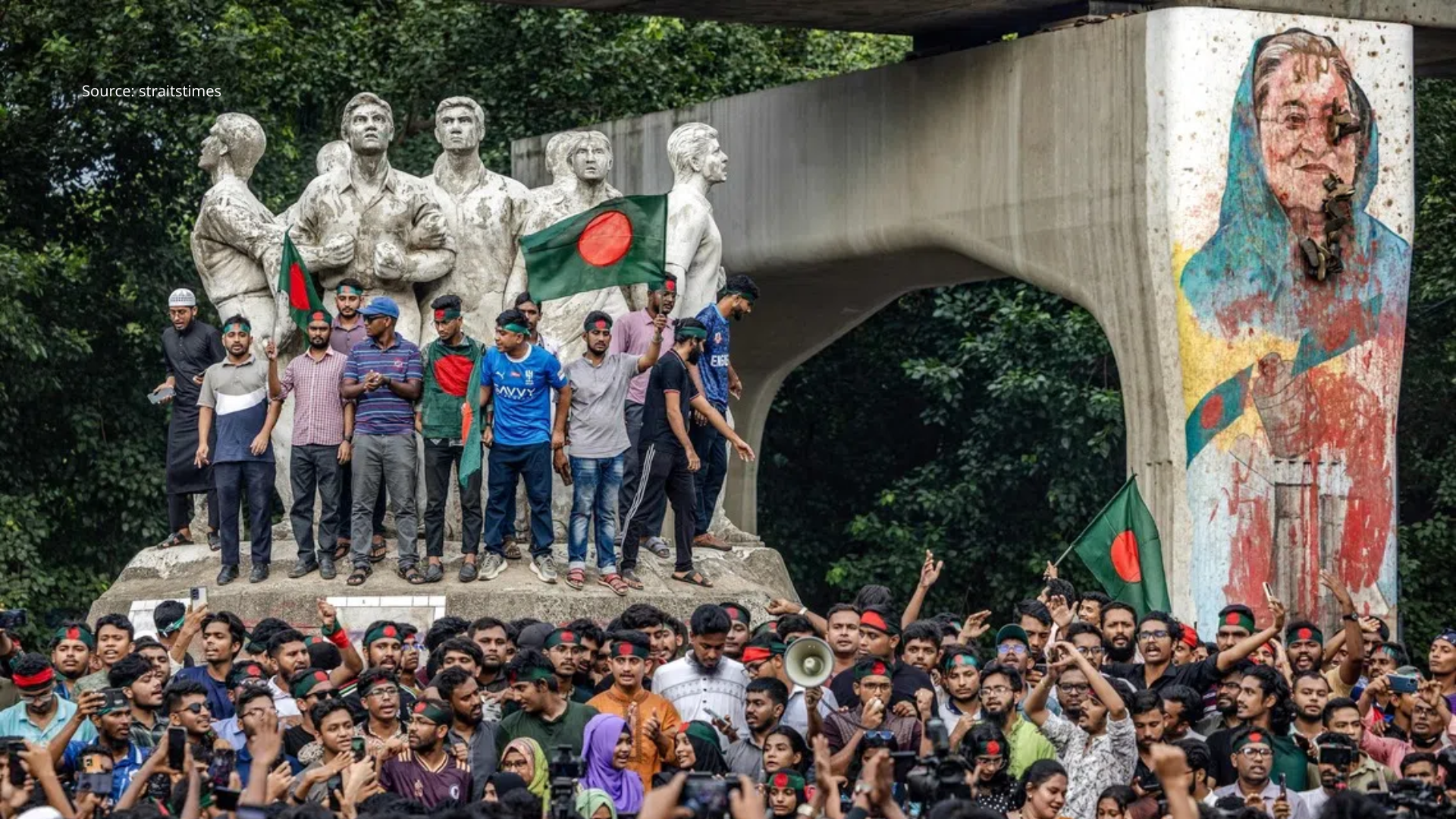
Dhaka, El Sky News — This year marks a pivotal moment in Bangladesh’s political landscape. Following the fall of the long-standing government led by Sheikh Hasina, a group of young activists mostly from Generation Z who led the 2024 student protests, are attempting to transform their street influence into parliamentary power through the newly formed National Citizen Party (NCP). Despite high enthusiasm, the NCP faces significant challenges in converting popular support into actual votes in the upcoming national elections.
From Campus Activism to Political Arena: The Birth of NCP

- NCP was founded in 2025 by students and activists who were instrumental in the 2024 protests that ultimately toppled Hasina’s government.
- Party leader Nahid Islam (27), a former protest organizer, admitted that the party “still lacks proper structure and resources to compete effectively.”
- NCP positions itself as an alternative to the traditional dominant parties, promising reform, justice, and inclusive governance.
Real Challenges: Translating Street Momentum into Votes
Despite initial public enthusiasm, NCP faces several obstacles:
- Recent surveys indicate only 6% support nationally, far behind traditional rivals like the Bangladesh Nationalist Party (BNP) at 30% and Jamaat-e-Islami at 26%.
- NCP failed to win any seats in university student body elections a stronghold of its activist base highlighting the difficulty of converting moral support into tangible political power.
- Structural weaknesses include limited funds, small local networks, and insufficient human resources. Campaigning is largely grassroots, door-to-door, and reliant on crowdfunding.
- Pressure to form coalitions with established parties exists but risks compromising the party’s “revolutionary” identity.
Youth Aspirations, Critiques & Hopes
Many young activists hope NCP can deliver real change, breaking dynastic politics, ending nepotism, and empowering ordinary citizens. A 25-year-old activist said, “Everyone saw hope at the party’s launch,” but expressed disappointment that NCP has yet to take clear positions on issues like minority and women’s rights.
Some campaign members, including a Cambridge-educated doctor, left international careers to help build NCP. “We want to open up politics, not leave it in the hands of elite families giving power back to ordinary people,” they said.
Political analysts caution that enthusiasm must be paired with strategy and organization; otherwise, NCP risks losing momentum or becoming similar to the traditional parties it opposes.
Looking Ahead to the 2026 Election
- NCP plans to contest all 300 parliamentary seats in the next general election, expected February 2026. Current low support indicates likely need for alliances.
- Success depends on building local networks, especially in rural areas where traditional parties remain dominant.
- Failure to gain traction may leave NCP as a symbolic voice, reminding the nation that youth activism is present but political transformation requires time and infrastructure.
Significance for Readers
Bangladesh’s Gen-Z political movement illustrates how young people can shape history through activism, not just observation. It’s a democratic experiment showing the intersection between idealism and political reality: networks, resources, and experience. Regionally, the rise of young political actors could influence South Asia’s political dynamics in the coming years.
(Lunar)