DOHA, El Sky News — Qatar has expressed cautious optimism regarding the European Union’s (EU) sustainability regulations, while emphasizing it will not commit to a net-zero emissions target in the near term. The statement was made by QatarEnergy CEO and Minister of Energy, Saad al-Kaabi, during a press briefing in Doha on Saturday.
Background on the EU Regulation Conflict

The tension stems from the EU’s Corporate Sustainability Due Diligence Directive (CSDDD), which requires large corporations to comply with sustainability standards encompassing environmental protection, human rights, and supply chain accountability. Violations can lead to fines of up to 5% of global revenue.
Al-Kaabi warned that strict enforcement could make Qatar’s LNG (liquefied natural gas) exports to Europe unviable, even suggesting potential halts to supply if regulations remain rigid.
Optimism for Resolution by Year-End
Despite initial concerns, Qatar remains hopeful that the EU will address corporate concerns regarding CSDDD by the end of December 2025. Key points highlighted by al-Kaabi include:
- Qatar will not pursue net-zero targets due to persistently high global gas demand, particularly from high-energy sectors like AI.
- Global LNG demand is projected to reach 600–700 million tons per year by 2035.
LNG Capacity Expansion
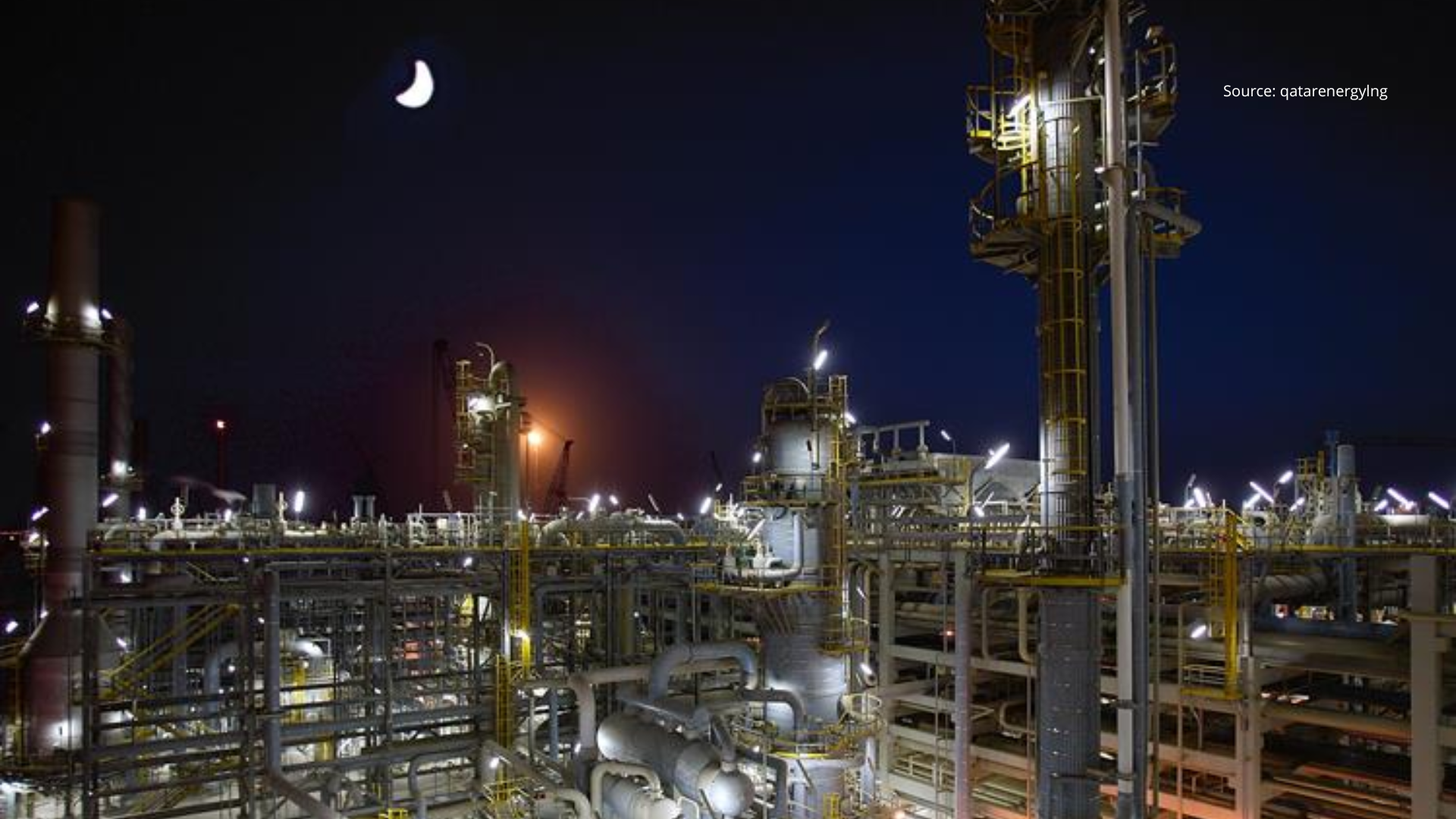
QatarEnergy is undertaking a major expansion of its North Field gas project, increasing LNG production capacity to 126 million tons per year by 2027, up from 77 million tons currently. In addition, the Golden Pass LNG Project in Texas, a joint venture with ExxonMobil, is set to start production in Q1 2026, reflecting Qatar’s strategy to diversify its market beyond Europe.
Global Implications
Al-Kaabi stressed that natural gas will remain critical to meeting global energy needs, particularly during the technology-driven energy surge. Qatar’s expansion and market diversification aim to maintain its strategic position amid global energy transitions and environmental regulations.
Challenges and Potential Conflicts
However, risks remain. EU regulations may continue to pressure Qatar, potentially forcing a choice between compliance with costly penalties or redirecting gas supply to other markets. Environmental groups have also raised concerns, viewing large-scale LNG investments as counter to global decarbonization goals.
Through strategic expansion and cautious diplomacy, QatarEnergy positions the nation as a major player in the global LNG market for the coming decade, balancing commercial opportunity with geopolitical and regulatory challenges.
(Lunar)