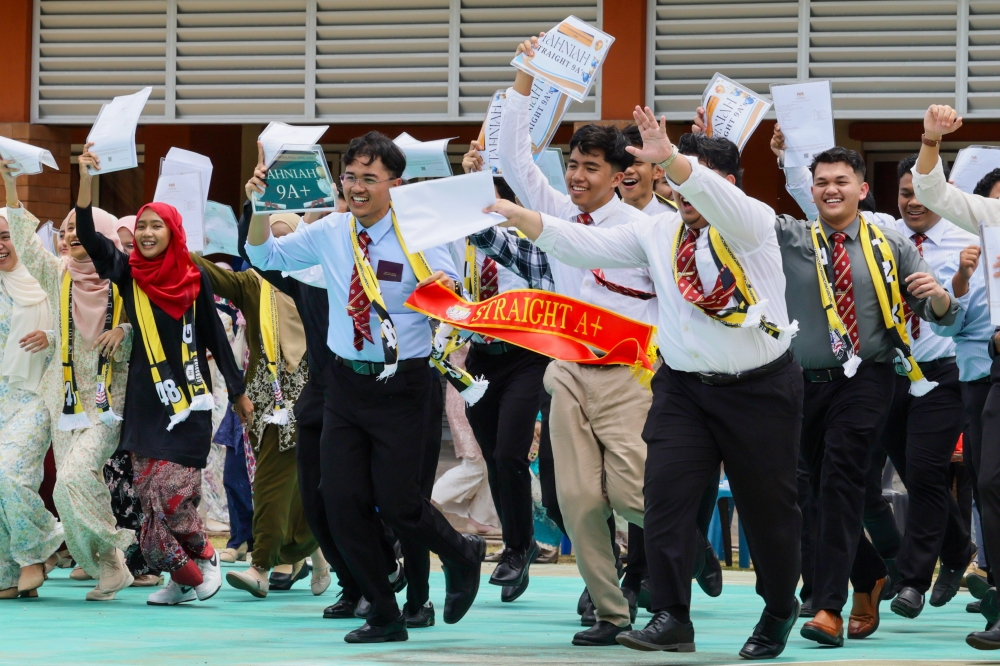
KUALA LUMPUR, El Sky News – A strong call to enhance workforce quality and institutional adaptation has been launched as the key for Malaysia to cope with increasingly complex global challenges. Analysts and scholars are of the opinion that this effort needs to be expedited, especially in addressing the issue of skilled migration (brain drain) which, if left unchecked, will hinder the nation’s ambition to achieve high-income status.
Workforce and Institutional Capacity on the Front Lines
In a recent series of economic and social discourses, the importance of workforce quality was emphasized as a determining factor in Malaysia’s ability to adapt to a global landscape characterized by economic fragmentation and rising populism.

“We cannot rely solely on past growth models. Today’s global challenges demand not only high technical skills but also institutional resilience capable of responding quickly and effectively,” said Dr. Hasmiza Alias, a local labour economist.
The issue of skilled migration, or brain drain, is often associated with more lucrative salary offers and a more conducive working ecosystem abroad. Institutional adaptation is seen as needing to encompass a review of salary policies, opportunities for research and development (R&D), and the creation of a work culture that encourages innovation and meritocracy.
Focus on Productivity Growth and Structural Change
Experts assert that the country’s aspiration to become a fully developed nation requires accelerated productivity growth and deeper structural economic changes.
To realize this goal, bold and necessary domestic policy choices must be made. This includes strategic investment in high-value service sectors, industry digitization, and strengthening the link between academia and industry to ensure educational curricula remain relevant.
“If we take drastic and long-sighted steps in accelerating productivity growth, especially through innovation and future-oriented education, Malaysia will be in a better position to capitalize on opportunities in this turbulent economic era,” added Dr. Hasmiza.
Effective Policies Rooted in History
In the context of drafting new educational and economic policies, historical elements and cultural context are considered just as important as institutional capacity. Understanding how Malaysia transitioned from an agricultural economy based on tin and rubber to modern industries is crucial.
The nation’s economic and social history not only provides inspiration but also offers valuable lessons about the successes and failures of past policies, including challenges faced during the post-colonial era, the Emergency, and the implementation of the New Economic Policy (NEP).
Research on contemporary issues such as the middle-income trap and educational challenges often finds their roots closely linked to the evolution of the nation’s institutions and economic structure. Therefore, educational reform must take these historical factors into account to prevent the repetition of past mistakes.
The Role of Women and Global Hubs
Recent academic articles and studies also highlight the critical contribution of women to national development and the growth of major cities. The rise of Kuala Lumpur as a major city in Asia and the progress of Penang as a global electrical and electronics (E&E) hub are seen as success stories that need in-depth study.
These narratives affirm that balanced economic development requires inclusive participation and a focus on specialized ecosystems (clusters) that possess international competitive advantages.
Overall, the focus going forward is clear: Quality education and workforce are long-term investments that require continuous commitment to institutional reform so that Malaysia remains competitive and realizes its full potential.
(Leakim Otid)