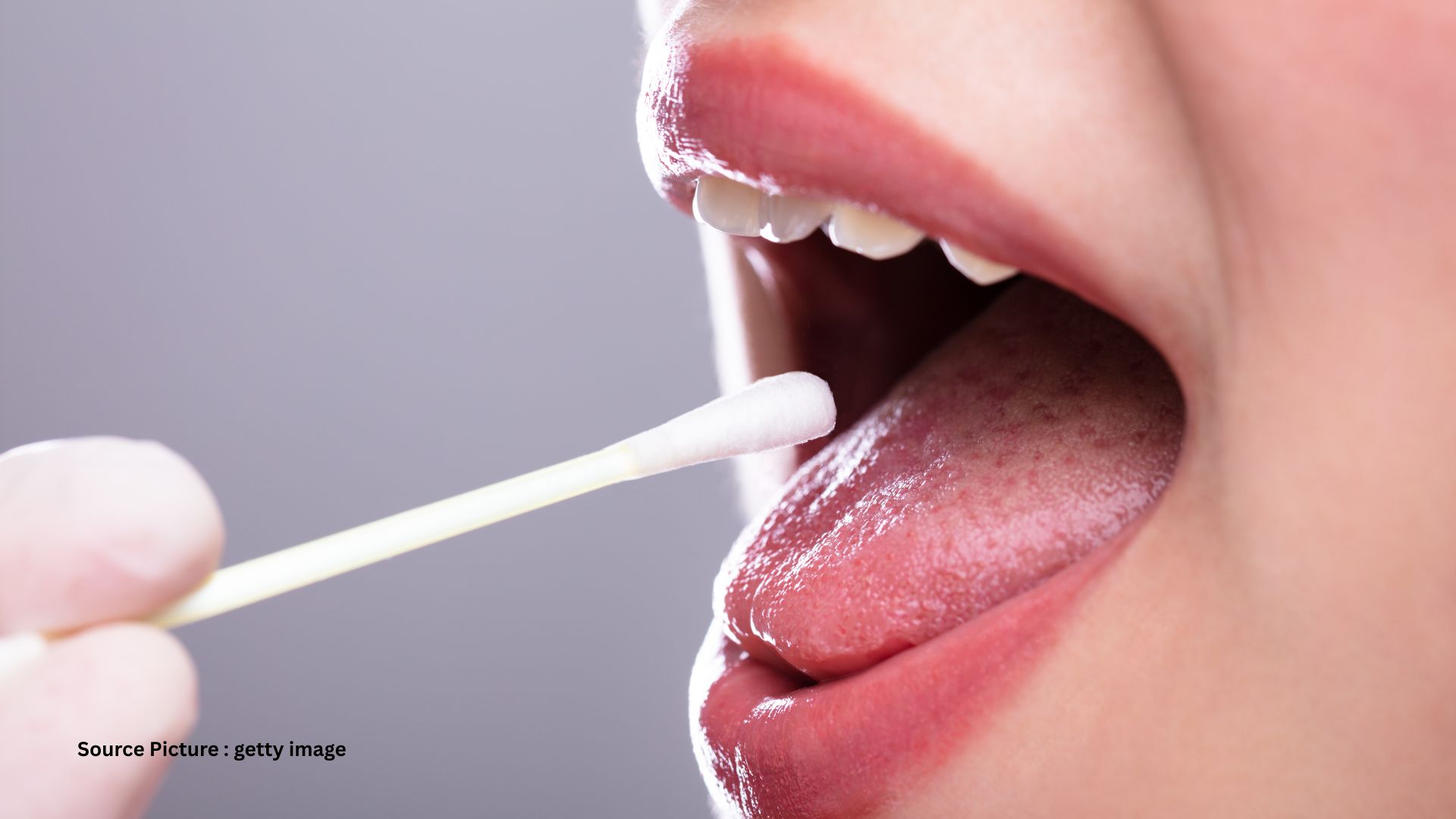
London, El Sky News – It’s the silent workhorse of digestion and oral health, yet most people rarely consider its sheer volume. Scientists estimate that over an average human lifespan, the salivary glands produce enough saliva to fill one to two standard-sized bathtubs.
This astonishing volume—averaging between 0.7 to 1.5 liters per day—underscores the crucial and non-stop role that saliva plays in keeping us healthy, well beyond simply lubricating the mouth.

More Than Just Water: The Triple Function of Saliva
Saliva is a complex cocktail of water, electrolytes, mucus, and vital enzymes. Its primary functions are multifaceted:
- Digestive Kickstart: Saliva contains the enzyme Amylase, which immediately begins breaking down starchy carbohydrates the moment food enters the mouth. This is the first step in the digestive process.
- Oral Defense System: Saliva acts as a natural rinse, washing away food particles and neutralizing harmful acids produced by oral bacteria. It contains minerals that help in the remineralization (repair) of tooth enamel, actively preventing tooth decay.
- Immunity and Lubrication: Key antibacterial agents like Lysozyme in saliva help control the bacterial population in the mouth. Furthermore, the fluid lubricates food, turning it into a soft mass (bolus) that can be safely swallowed.
When Production Slows
While the body is incredibly efficient at producing this fluid, production drops significantly when we sleep.
However, a chronic reduction in flow, a condition known as Xerostomia (commonly called dry mouth), can lead to serious health issues. Without enough saliva, patients often experience an increased risk of dental cavities, gum disease, and difficulty swallowing.
“Saliva is one of the most vital, yet overlooked, fluids we produce,” says Dr. Elena Rodriguez, a gastroenterologist researching the digestive tract. “The volume it generates is a direct testament to how continuously the body requires it—not just for eating, but for constant acid neutralization and microbial control.”
Researchers are now exploring methods to harness the components of saliva for early, non-invasive detection of certain diseases, recognizing it as a rich indicator of systemic health.