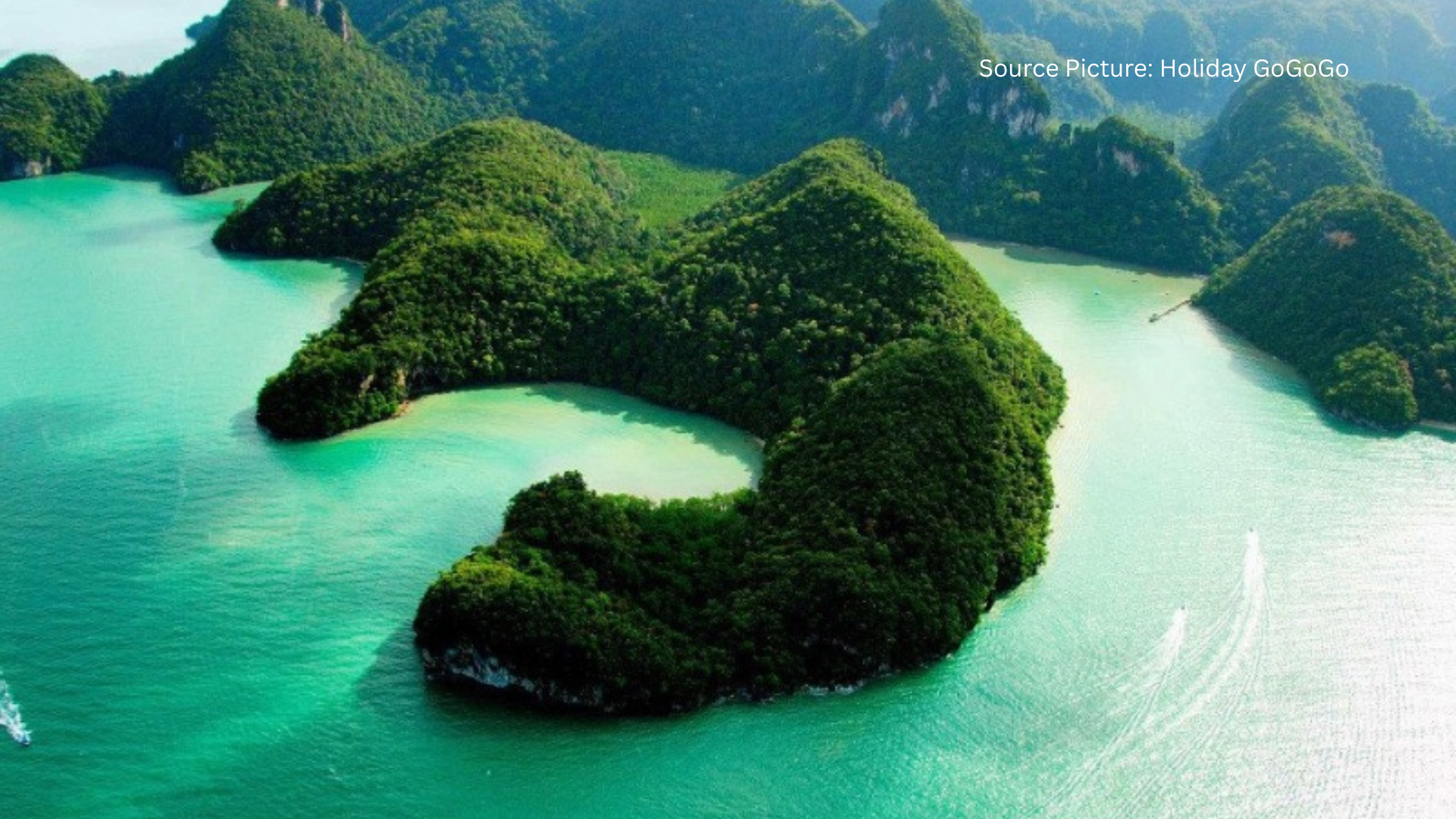
LANGKAWI, El Sky News – The legendary island of Langkawi is witnessing a remarkable transformation as it cements its status as a premier “Green Island” destination. Recent data for the 2025 year-end holiday season reveals a significant 40% surge in bookings for eco-resorts and sustainable accommodations, signaling a major shift in traveler preferences toward environmentally responsible tourism.
This surge is the direct result of the “Langkawi Low Carbon Island” initiative, which has successfully integrated modern luxury with rigorous environmental conservation. The island’s commitment to preserving its UNESCO Global Geopark status while offering high-end experiences has resonated particularly well with European travelers, who are increasingly prioritizing carbon neutrality in their travel choices.

A New Wave of Eco-Innovation Langkawi’s tourism landscape has evolved beyond sun and sand, introducing innovative attractions that minimize the ecological footprint of visitors. Key to this season’s success is the introduction of electric-powered tour boats, which allow tourists to explore the island’s famous coastal waters and limestone formations without the noise and pollution of traditional engines.
Furthermore, interactive conservation programs have become a primary draw. Travelers are no longer just observers; many are choosing to participate in hands-on mangrove replanting initiatives. These programs provide a deep sense of purpose, allowing visitors to contribute directly to the island’s coastal defense and biodiversity.
Highlights of the “Green Island” Experience:
- Sustainable Stays: A rise in “off-grid” luxury resorts that utilize solar energy, rainwater harvesting, and zero-waste dining concepts.
- Emission-Free Exploration: The expansion of electric vehicle (EV) rentals and e-boat tours across the archipelago.
- Regenerative Tourism: Guided tours through the Kilim Karst Geoforest Park that focus on education and the protection of local wildlife.
- Community-Led Initiatives: Increased collaboration with local villages to offer authentic cultural experiences that support the island’s traditional economy.
A Model for Southeast Asian Tourism Industry analysts believe Langkawi is setting a new benchmark for sustainable travel in the region. By successfully balancing high tourist volumes with environmental integrity, the island is proving that economic growth and nature conservation can go hand-in-hand.
“Langkawi has moved past the traditional tourism model,” says a regional travel consultant. “It is now a destination for the ‘conscious traveler’—someone who seeks luxury but refuses to compromise on their environmental values. This 40% growth is a clear indicator that the future of travel in Asia is green.”
As the world looks toward Visit Malaysia 2026, Langkawi stands as a shining example of how a heritage destination can reinvent itself for a sustainable future, offering a warm and welcoming escape that gives back to the planet.
(Leakim Otid)