KUALA LUMPUR,APRIL — Airlines across the globe are rapidly adjusting their strategies as jet fuel prices surge to critical levels, driven by escalating geopolitical tensions in the Middle East that have disrupted global energy supply chains.
From AirAsia X in Asia to WestJet in North America, carriers are responding with fare hikes, capacity cuts, and revised financial outlooks as the aviation sector faces one of its most severe cost shocks in recent years.

Jet fuel prices have surged dramatically—from around $85–$90 per barrel to as high as $150–$200 per barrel in recent weeks—placing enormous pressure on airline operating costs.
Fuel typically accounts for up to 25% of airline expenses, meaning even small increases can significantly impact profitability. The current spike, however, has forced airlines into immediate and aggressive cost-control measures.
The surge is largely linked to disruptions in the Strait of Hormuz, a critical global oil transit route affected by ongoing conflict, which has tightened fuel supply and increased transportation costs.
Many airlines have begun passing costs onto passengers through higher ticket prices and fuel surcharges.
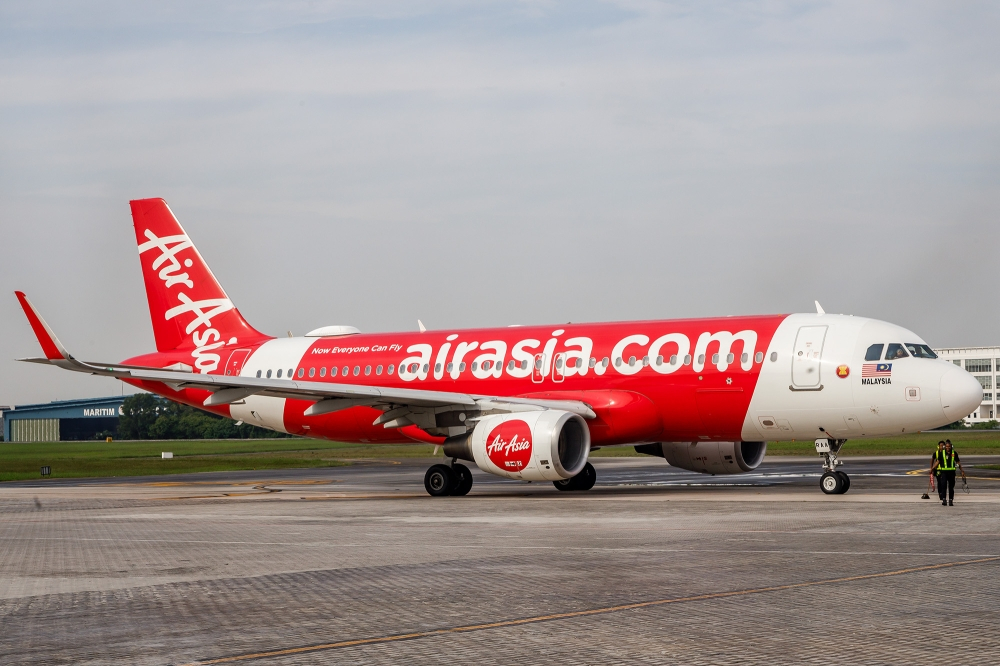
- AirAsia X has cut 10% of flights and introduced a fuel surcharge of around 20%, alongside fare increases reaching up to 40%
- Air France-KLM plans to raise long-haul ticket prices, adding around €50 per trip
- Thai Airways is increasing fares by 10% to 15%
- WestJet is adding fuel surcharges of up to C$60 on certain bookings
Other carriers, including American Airlines and Delta Air Lines, are raising baggage fees and trimming passenger benefits to offset rising costs.
In addition to price increases, airlines are scaling back operations to manage expenses and reduce exposure to volatile fuel markets.
- Air New Zealand has reduced flight schedules and suspended earnings forecasts
- Cathay Pacific is cutting flights and increasing surcharges
- United Airlines is trimming unprofitable routes and reducing capacity
- Scandinavian carrier SAS has canceled around 1,000 flights due to high fuel costs
These measures reflect a broader industry effort to preserve margins amid rising operational expenses.
The spike in fuel costs is forcing airlines to revise or withdraw financial forecasts.
For example:
- Delta Air Lines warned of a $400 million increase in quarterly expenses
- Several airlines have suspended or downgraded earnings guidance due to uncertainty in fuel markets
- Others are delaying investments, cutting costs, or preserving cash reserves
Analysts warn that prolonged high fuel prices could significantly weaken profitability across the aviation sector.
Passengers are likely to bear the brunt of the crisis as airlines continue to raise fares and reduce services.
Key impacts include:
- Higher ticket prices across domestic and international routes
- Increased baggage and service fees
- Reduced flight availability on certain routes
- Potential disruptions in travel demand
The aviation sector’s challenges also reflect broader global economic pressures tied to energy market instability.
Experts say the current fuel price shock could take months to stabilize, even if geopolitical tensions ease.
Airlines are now focusing on:
- Cost efficiency and fleet optimization
- Reducing less profitable routes
- Expanding fuel hedging strategies
- Adjusting pricing models dynamically
The situation has been described by industry leaders as one of the most severe fuel crises in decades.
As jet fuel prices remain volatile, airlines are expected to continue adjusting fares, capacity, and operational strategies.
The evolving situation underscores the vulnerability of the aviation industry to geopolitical shocks and energy disruptions, with long-term implications for global travel, trade, and economic stability.