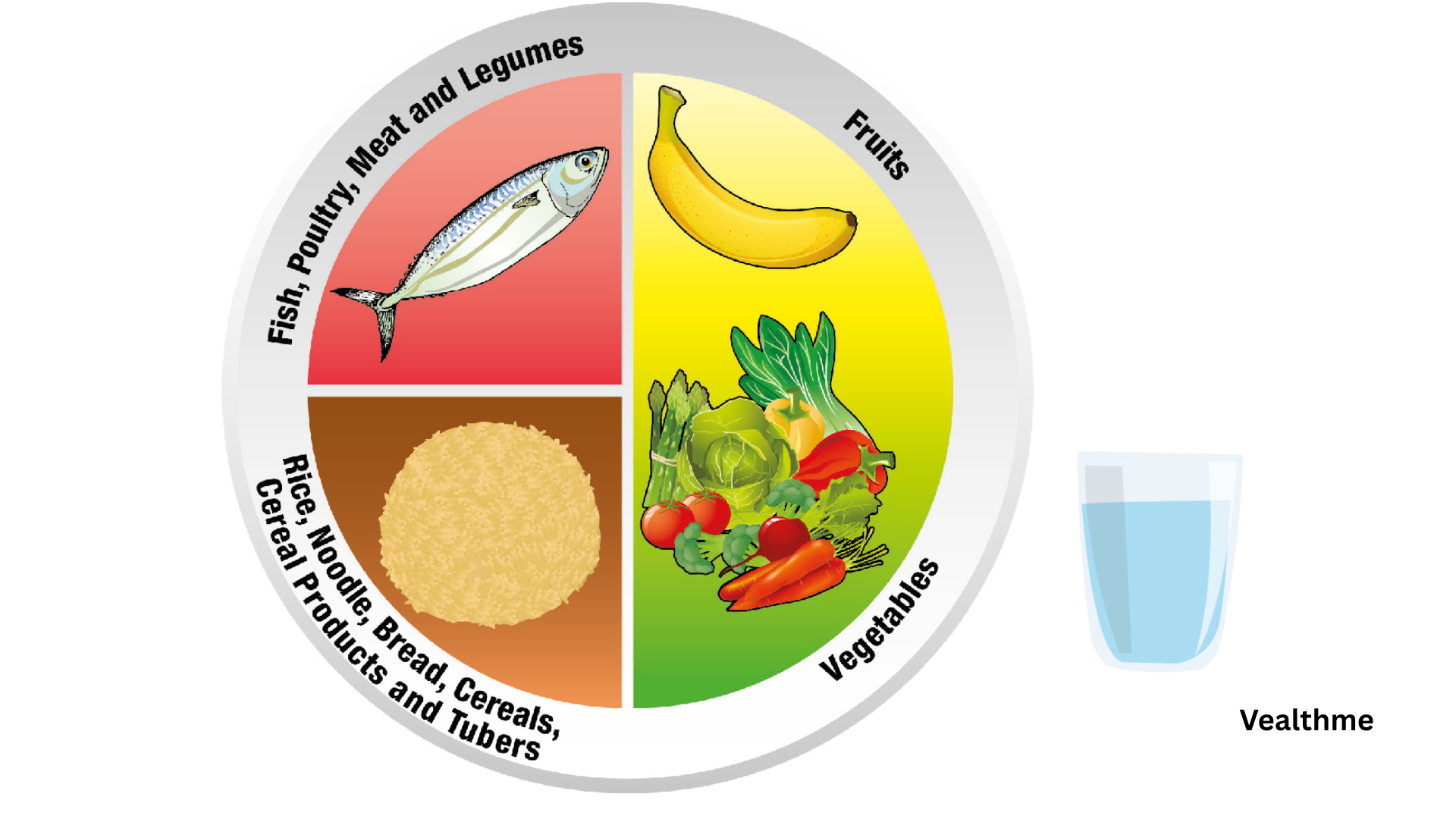
KUALA LUMPUR, El Sky News – As lifestyle-related health issues continue to rise globally, nutritionists are doubling down on a simplified meal strategy known as the “Suku-Suku Separuh” (Quarter-Quarter-Half) method. This visual guide, championed by health ministries, aims to transform how individuals manage portion control without the need for complex calorie counting.
The Anatomy of a Balanced Plate
The concept is straightforward: a standard dinner plate is divided into three distinct sections to ensure a synergy of macronutrients and fiber.

- One-Quarter Carbohydrates: This section is reserved for energy sources such as rice, bread, or tubers. Experts recommend transitioning to whole grains, like brown rice or wholemeal bread, to provide sustained energy release and maintain stable blood sugar levels.
- One-Quarter Protein: This portion focuses on muscle repair and satiety. Options include fish, lean poultry, meat, or plant-based alternatives like tofu and legumes.
- One-Half Fiber: The largest portion of the plate is dedicated to vegetables and fruits. This high-volume, low-calorie section is crucial for digestive health and provides essential vitamins and minerals.
Shifting Habits, Not Just Portions
According to local health advocates, the primary challenge is not just what people eat, but the ratio of the ingredients. Traditional meals often lean heavily toward carbohydrates, leaving little room for fiber. By prioritizing the “Half-Plate” rule for vegetables, individuals can naturally reduce their intake of calorie-dense foods while feeling fuller for longer.
To maximize the benefits of this method, experts also suggest:
- Mindful Preparation: Opting for steaming, grilling, or boiling instead of deep-frying.
- Hydration: Pairing meals with plain water instead of sugary beverages to avoid “hidden” calories.
- Consistency: Applying the rule to every major meal, including breakfast and dinner.
A Sustainable Approach to Health
Unlike restrictive fad diets, the Quarter-Quarter-Half method is praised for its sustainability. It allows for cultural flexibility, as any cuisine—from Malay to Western—can be adapted to fit this template. By mastering this simple visual ratio, the public is empowered to take proactive steps in preventing obesity, diabetes, and heart disease.