Global, El Sky News — The African Union (AU), Egypt, and Türkiye have issued strong condemnations rejecting any form of recognition of Somaliland as an independent state following a controversial declaration of recognition by Israel on 26 December 2025. Their responses highlight serious concerns over sovereignty, territorial integrity, regional stability, and international law.
Background: Israel Recognises Somaliland

On 26 December 2025, Israel became the first country in the world to formally recognise Somaliland a self‑declared republic that broke away from Somalia in 1991 and has remained unrecognised internationally despite operating with its own government, security forces, and institutions. Prime Minister Benjamin Netanyahu signed a mutual declaration of recognition with Somaliland President Abdirahman Mohamed Abdullahi, expressing intentions to cooperate across sectors including agriculture, health, technology and the economy.
African Union Rejects Recognition
The African Union issued a statement on 26 December 2025 firmly rejecting the recognition. AU Commission Chair Mahmoud Ali Youssouf reaffirmed the continent’s commitment to the unity, sovereignty, and territorial integrity of the Federal Republic of Somalia, saying that any attempt to recognise a breakaway region undermines these principles and risks setting a dangerous precedent with far‑reaching implications for peace and stability across Africa.
The AU criticised Israel’s move as contrary to its core principles especially respecting colonial‑era borders and the legal framework that underpins post‑independence African states. The bloc warned that endorsing breakaway regions could encourage other separatist movements and destabilise fragile regions.
Egypt Denounces Move as Violation of International Law
The Egyptian Ministry of Foreign Affairs also condemned the recognition as illegal and destabilising. Egypt’s foreign minister said that Israel’s decision undermines the principles of international law and the United Nations (UN) Charter, which emphasise respect for state sovereignty and territorial integrity. Cairo reaffirmed its support for a unified Somalia and expressed concern over the broader regional repercussions of such unilateral actions.
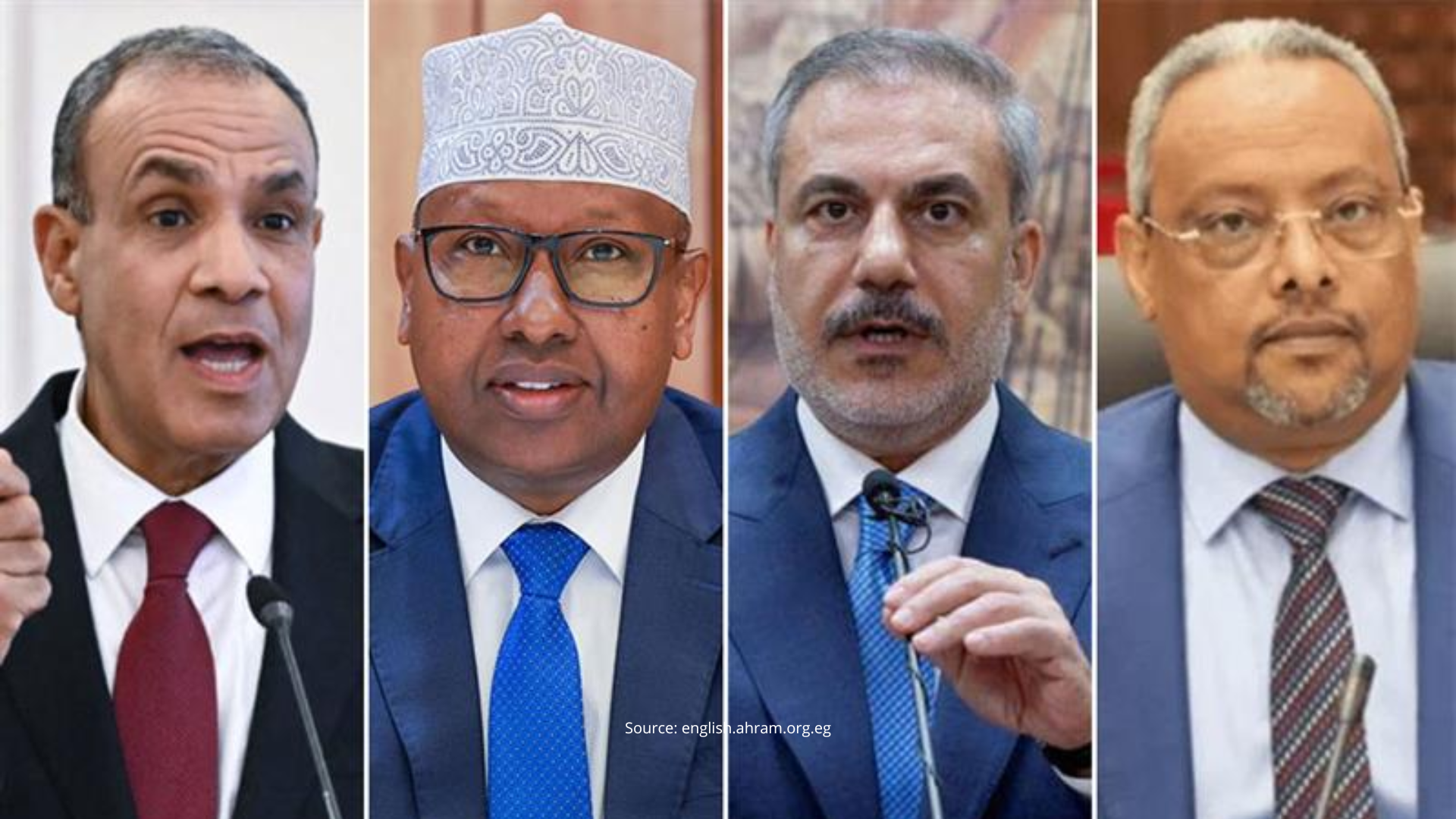
In diplomatic calls, Egypt’s top diplomat consulted with counterparts from Türkiye, Somalia, and Djibouti, with all affirming their rejection of Israel’s move and reaffirming support for Somalia’s sovereignty.
Türkiye Condemns Recognition as Interference
Türkiye, a close ally of Somalia and supporter of Horn of Africa peace, condemned the recognition as illegal interference in Somalia’s internal affairs. Turkish Foreign Ministry officials said decisions about Somaliland’s status should reflect the will of all Somalis, not unilateral foreign acts. Türkiye stressed its commitment to regional stability and the territorial integrity of Somalia.
The Turkish statement characterised Israel’s move as part of a broader pattern that could destabilise the Horn of Africa and erode trust in international norms regarding sovereignty and secession.
Wider International Backlash
The rejection extends beyond these three actors. In a joint statement issued on 28 December 2025 by foreign ministers from 21 countries across Arab, African and Islamic states — including Algeria, Iran, Iraq, Jordan, Saudi Arabia, Sudan, and Yemen the recognition was denounced as a grave violation of international law and a direct threat to international peace and security. They called Israel’s decision a dangerous precedent that undermines the protections of sovereignty outlined in the UN Charter.
Many nations also stressed that recognition of units within sovereign states without the consent of the parent state sets a precedent that could embolden separatist pressures elsewhere.
Somalia’s Firm Opposition
The Somali federal government swiftly rejected Israel’s recognition, calling it a violation of its sovereignty and territorial integrity. Somalia reaffirmed that Somaliland remains an integral part of the Federal Republic of Somalia and pledged to pursue diplomatic, political and legal responses to counter the unilateral declaration.
Regional Stability and International Law Concerns
Critics argue that recognising breakaway regions like Somaliland which declared independence amid civil conflict without broad international consensus or legal basis undermines established norms that protect post‑colonial African borders and the sovereignty of states. They warn this could embolden other separatist movements and escalate geopolitical tensions.
The UN Security Council has scheduled an emergency session to discuss the implications of Israel’s decision and assess the broader impact on international peace and security.
(Lunar)