KUALA LUMPUR, El Sky News – In a significant move to safeguard the wellbeing of university students, the Malaysian Ministry of Higher Education (MoHE) officially announced a RM15 million allocation for the “Dapur Siswa” Food Bank initiative today, Wednesday, January 7, 2026. The funding is specifically aimed at strengthening food security for students from lower-income (B40) backgrounds, ensuring that financial pressures do not hinder their academic journeys.
The announcement comes as a timely intervention to address the rising cost of living, which has become a primary concern for students living in major urban centers such as Kuala Lumpur, Penang, and Johor Bahru.

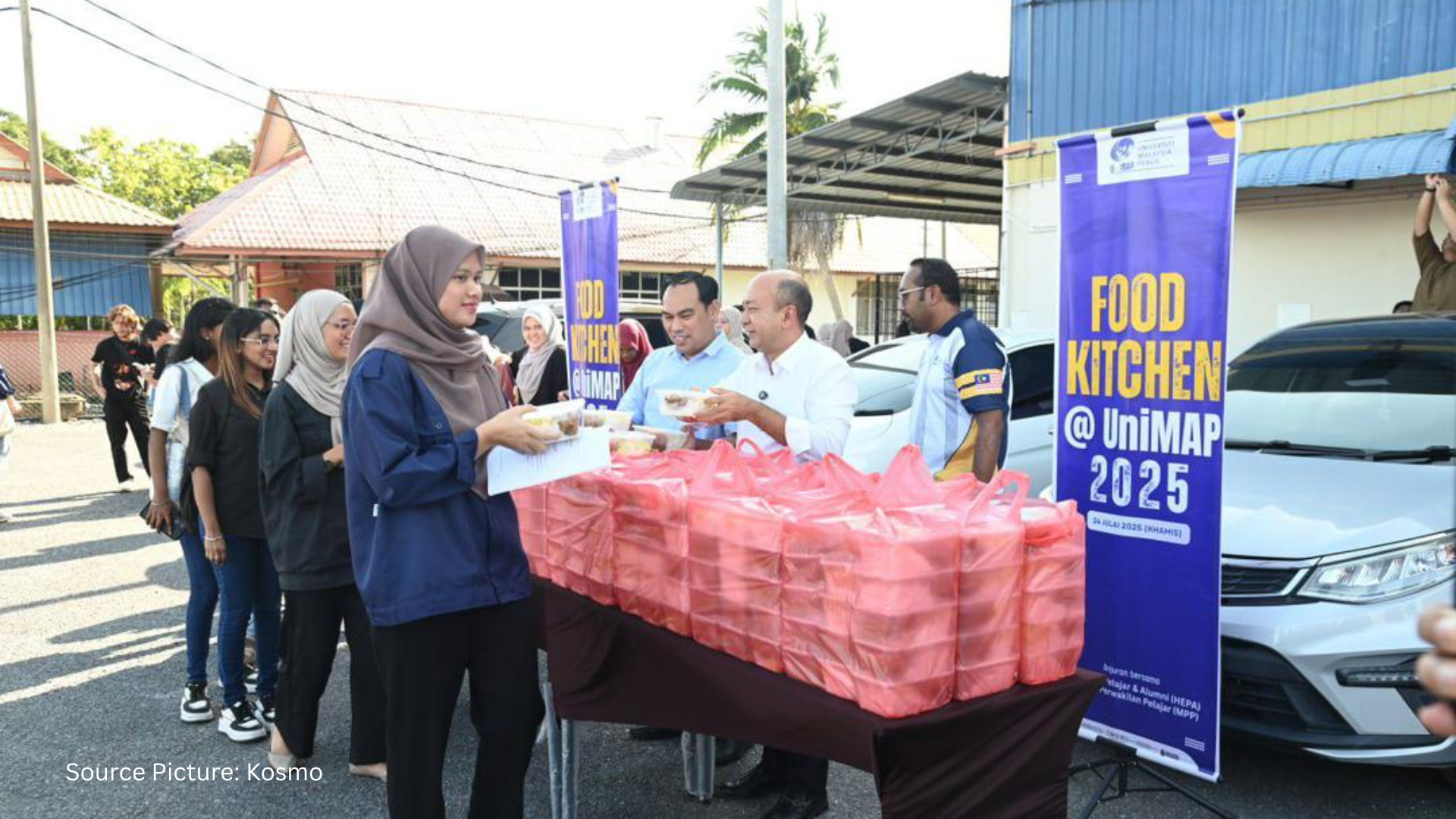
Ensuring No Student Goes Hungry The “Dapur Siswa” program, which operates across public and private higher education institutions (IPT), provides essential groceries and ready-to-eat meals to students in need. By bolstering the fund with RM15 million, the government aims to:
- Combat Student Hunger: Prevent students from having to skip meals or “tighten their belts” due to limited funds.
- Support Academic Focus: Allow students to maintain their mental and physical health, which is directly linked to better classroom performance and higher graduation rates.
- Promote Social Equity: Ensure that education remains a viable tool for social mobility regardless of a student’s economic starting point.
A Professional and Warm Reception The initiative has been met with widespread praise from student representative councils across the nation. Student leaders from Universiti Malaya (UM) and Universiti Sains Malaysia (USM) were among the first to voice their support, noting that the “Dapur Siswa” program is a critical lifeline for their peers.
“This is not just about a meal; it’s about dignity and the right to learn without the distraction of hunger,” said a student representative from UM. “We welcome this professional commitment from the Ministry, as it acknowledges the real-world challenges we face on campus today.”
Collaborative Governance in 2026 The Ministry of Higher Education emphasized that the success of the program relies on a friendly and efficient partnership between the government, university administrations, and non-governmental organizations (NGOs). “Our priority for 2026 is the holistic success of our students,” a Ministry spokesperson stated. “By securing the basic necessity of food, we are inviting our students to focus entirely on their innovation and research. We are proud to work alongside our universities to make this food bank network more robust and accessible than ever before.”
Implementation and Oversight To ensure the funds reach those who need them most, the MoHE will implement a digitized tracking system to monitor the distribution of food supplies across all campuses. This professional oversight aims to maintain transparency and ensure that the RM15 million investment yields maximum impact for the student population.
As Malaysia continues to reform its higher education sector under the MADANI framework, the “Dapur Siswa” expansion serves as a professional benchmark for student-centered policy-making in Southeast Asia.
(Leakim Otid)