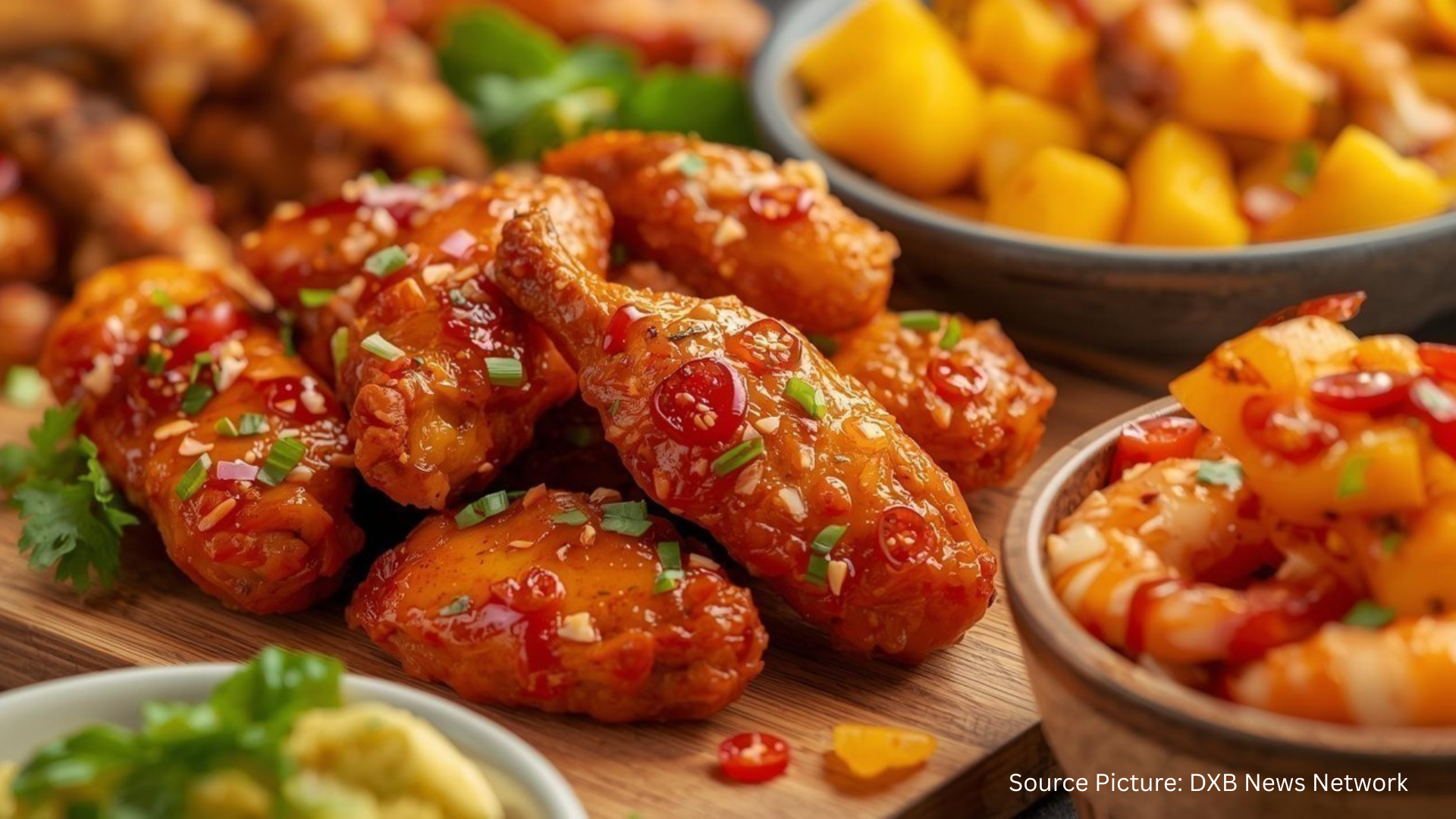
LONDON / NEW YORK, El Sky News – As we move into the first week of January 2026, the global food industry has reached a professional consensus: the year belongs to “Swicy.” This innovative flavor profile—a portmanteau of “Sweet” and “Spicy”—has officially transitioned from a niche experimental fusion to a mainstream culinary phenomenon, reshaping menus from boutique cafes in Paris to fast-casual chains in Southeast Asia.
While the combination of heat and sugar is not entirely new, its application in 2026 has reached a level of sophistication that emphasizes balance, complexity, and high-quality artisanal ingredients.

The Multi-Sensory Appeal of ‘Swicy’ Market analysts suggest that the “Swicy” boom is driven by a global consumer base—led by Gen Z and Millennials—that seeks “multi-sensory excitement” in every bite. This trend is manifesting in several creative ways:
- The “Hot Honey” Staple: No longer just a pizza topping, chili-infused honey has become a professional pantry essential, used in everything from glaze for fried chicken to sophisticated cocktail syrups.
- Bold Desserts: High-end patisseries are introducing dark chocolate ganaches infused with habanero and even vanilla ice creams topped with spicy chili crisp (the “cold-hot” contrast), providing a friendly but adventurous experience for diners.
- Global Fusion: The trend draws heavy inspiration from traditional cuisines, such as Mexican Chamoy, Korean Gochujang, and Malaysian Sambal Tumis, blending them with sweet elements like mango, maple, or palm sugar.
The Rise of Hojicha: The New “Green” Choice Parallel to the spicy revolution, a significant shift is occurring in the beverage sector. Hojicha (Japanese roasted green tea) is rapidly eclipsing Matcha as the preferred choice in European and American specialty cafes.
This professional pivot is fueled by two factors:
- The Matcha Shortage: Global supply chain constraints for high-grade ceremonial Matcha have led to rising costs and limited availability.
- The “Toasty” Appeal: Hojicha offers a smoky, nutty, and comforting flavor profile with significantly lower caffeine content. Its earthy brown hue and caramel-like notes provide a friendly alternative for those looking for wellness without the jittery effects of traditional tea or coffee.
A Professional Industry Outlook “Food in 2026 is about unexpected harmony,” noted a senior food consultant based in London. “Whether it’s the kick of a ‘Swicy’ barbecue sauce or the comforting aroma of a Hojicha latte, consumers want flavors that tell a story of global exploration. It’s a professional movement toward what we call ‘Dynamic Balance’.”
Strategic Impact for 2026 As Visit Malaysia Year 2026 approaches, local Malaysian food vendors are uniquely positioned to capitalize on this global trend. Malaysia’s heritage of blending spicy sambals with sweet coconut milk (as seen in Nasi Lemak) or sweet-and-spicy Rojak provides a perfect template for international tourists seeking the “Swicy” experience in its most authentic form.
Looking Ahead For the remainder of the quarter, industry experts predict that the “Swicy” trend will expand into the snack aisle, with major confectionery brands expected to launch limited-edition spicy chocolate and fruit-flavored gummies infused with a gentle heat.
(Leakim Otid)