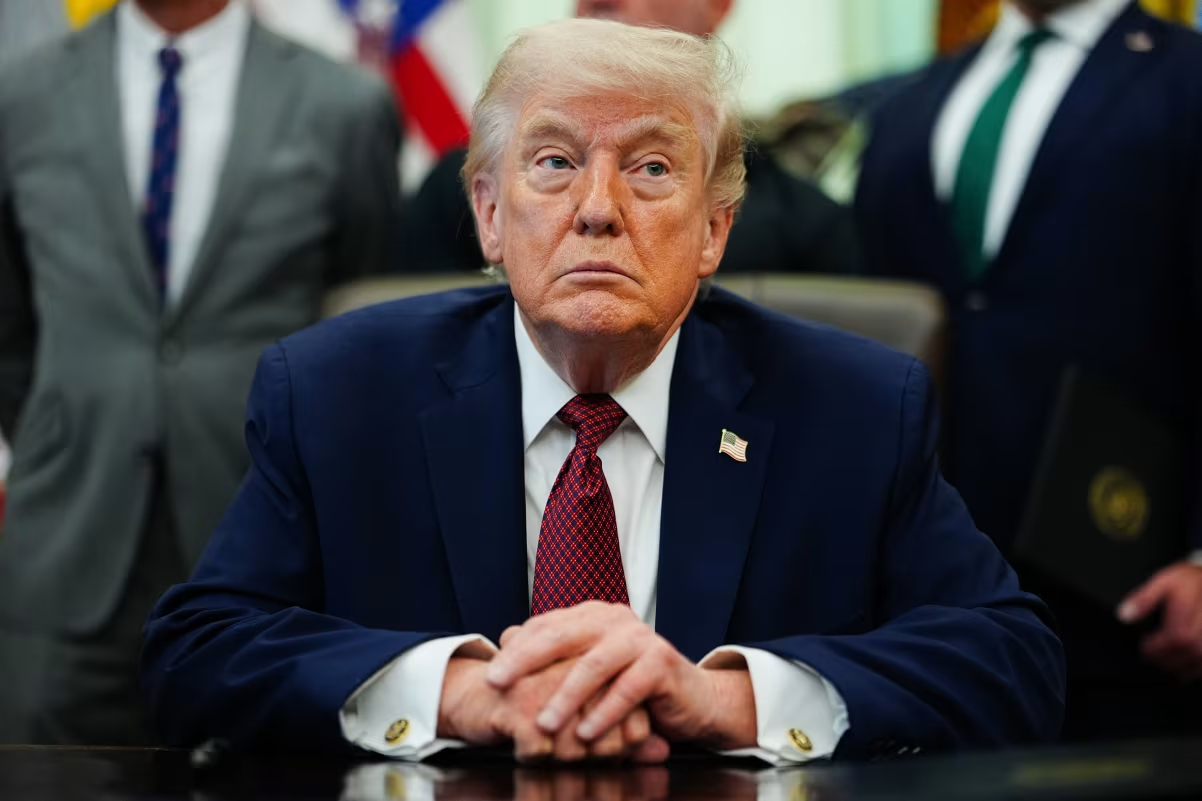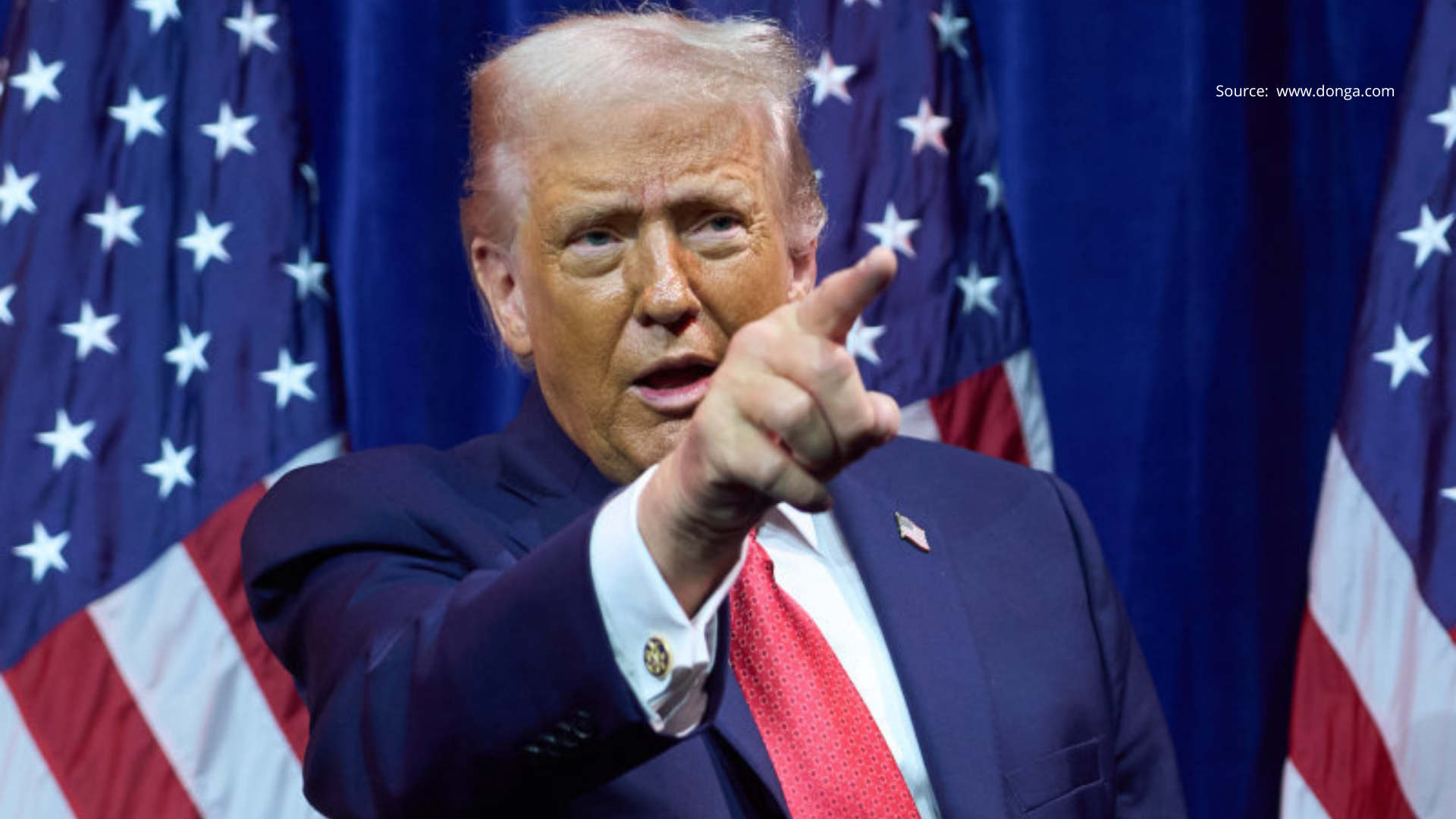
WASHINGTON, El Sky News — In one of the most sweeping shifts in recent U.S. foreign policy, President Donald J. Trump has signed a presidential memorandum directing the United States to withdraw from 66 international organizations, including 31 bodies associated with the United Nations (UN) and 35 non‑UN international entities.
The decision announced on 7 January 2026 marks a sharp departure from decades of U.S. engagement in multilateral diplomacy and global cooperation frameworks. According to the White House, the move reflects a continued push toward “America First” priorities and a reevaluation of organizations that the administration says conflict with U.S. national interests, sovereignty, and economic objectives.

What the Withdrawal Entails
- Scale of the Pullout
President Trump’s memorandum instructs all executive departments and agencies to:
- End U.S. participation and funding to 35 non‑UN international organizations.
- Withdraw from 31 entities linked to the United Nations.
The organizations cited operate in areas such as climate change, sustainable development, human rights, migration, labor, education, and global security cooperation.
Among the most prominent organizations and frameworks the U.S. is exiting are:
- UN Framework Convention on Climate Change (UNFCCC) — the key climate treaty underpinning global climate negotiations.
- UN Women — the main UN body for gender equality.
- UN Population Fund (UNFPA) — a major global health agency.
- Intergovernmental Panel on Climate Change (IPCC) — global science advisory body on climate.
- International Solar Alliance (ISA) — a major climate‑energy partnership.
- International Renewable Energy Agency (IRENA) — global renewable energy cooperation body.
The full list also includes bodies focused on trade, development, counterterrorism, academic exchange, and cultural cooperation.
- White House Justification
In its official statement, the White House argued that many of the organizations targeted are “contrary to the interests of the United States” and represent globalist agendas that do not align with national priorities. The memorandum claims that participation and funding have been ineffective, redundant, or wasteful, and that resources are better allocated to domestic and security priorities.
Secretary of State Marco Rubio echoed this view, describing several of the bodies as “anti‑American, wasteful, or misaligned with U.S. sovereignty.”
- Reactions From the United Nations and the World
The decision has drawn swift criticism from the UN and global leaders:
- UN Secretary‑General António Guterres expressed regret over the U.S. withdrawal and underscored that many of the agencies are central to addressing global challenges such as climate change, human rights, and sustainable development. He emphasized that U.S. contributions are legally required under the UN Charter, even after withdrawal.
- The Pacific Regional Environment Programme (SPREP), one of the affected organizations, has stated that formal exit procedures must still be followed and that the U.S. remains a valued member until the process completes. Concerns were raised that this shift could erode U.S. influence in regions where China and other powers are asserting strategic roles.
- China and other multilateral partners have reaffirmed their support for the United Nations and stated that they will continue to uphold global cooperation frameworks despite Washington’s decision.
- Implications for Global Policy and Diplomacy
- Climate and Environment: he U.S. exit from the UNFCCC and related climate entities raises serious questions about global climate cooperation. Experts warn that losing U.S. leadership and financial support could hamper progress toward reducing emissions and tackling climate change, even as local and state governments in the U.S. may continue climate action independently.
- Human Rights and Development: Withdrawing from gender, population, and peacebuilding bodies could weaken global efforts on human rights, women’s empowerment, and equitable development—areas where U.S. participation historically played a significant role.
- Diplomacy and Strategic Influence: Analysts observe that this decision further distances the U.S. from multilateralism and opens space for geopolitical competitors to fill the void, particularly in climate, trade, and regional cooperation arenas.
- Domestic Political Context: The withdrawal from these entities aligns with President Trump’s long‑standing America First rhetoric, prioritizing national sovereignty and selective engagement over broad international cooperation. Previous actions under this administration included pulling out of the World Health Organization, UN Human Rights Council, and other multilateral agreements and treaties.
Critics argue that the latest moves risk undermining U.S. credibility and leadership on the world stage, while supporters contend they protect American interests and taxpayer funds from what they call ineffective global bureaucracies. President Trump’s directive to withdraw the United States from 66 international organizations and dozens of UN bodies represents a historic pivot away from multilateral engagement and traditional global cooperation. By reframing U.S. foreign policy around national sovereignty and narrowly defined interests, the move could reshape diplomatic, environmental, and development efforts worldwide, prompting both diplomatic friction and strategic realignments for years to come.
(Lunar)