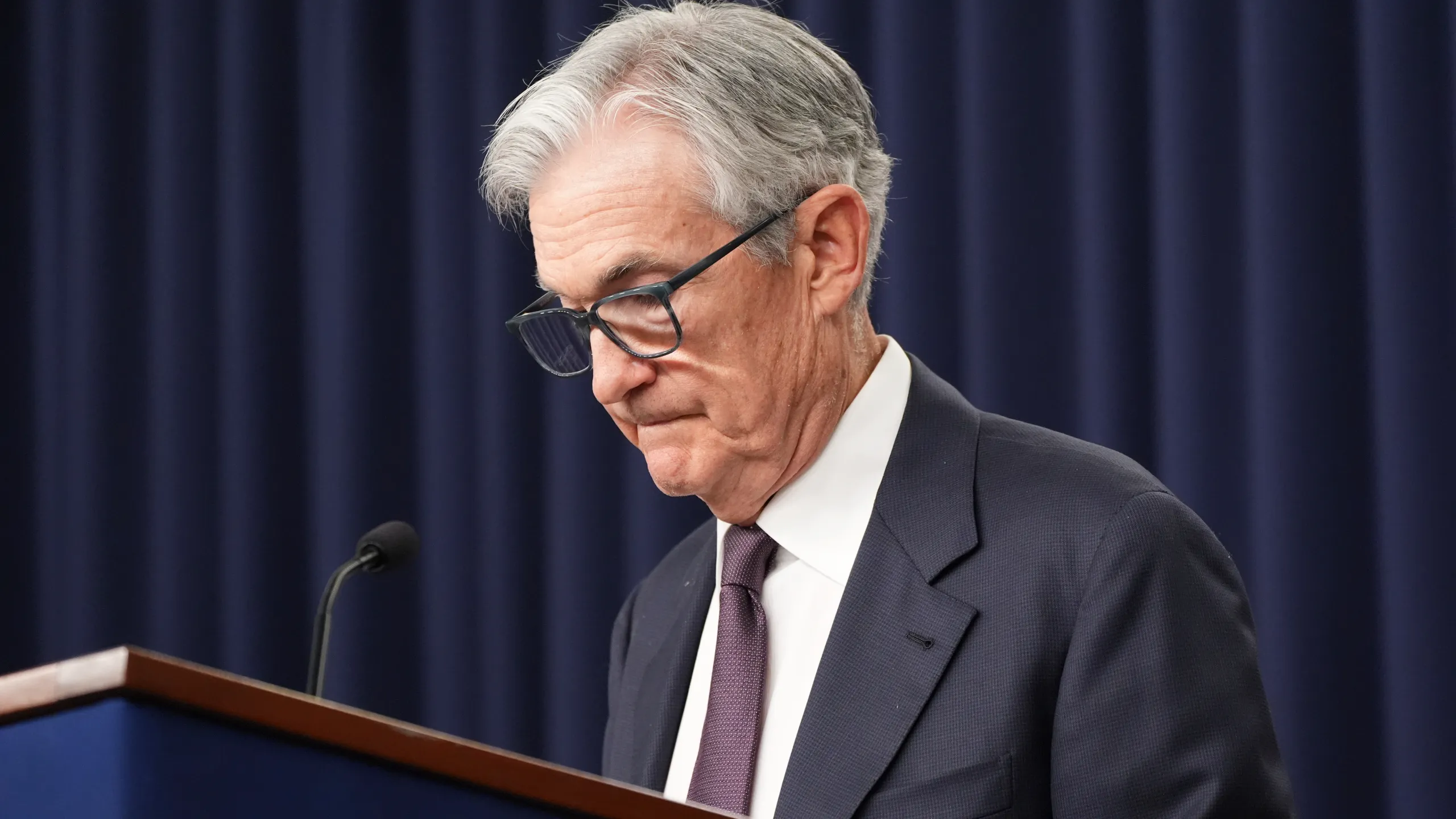
WASHINGTON D.C., El Sky News – As the political storm between the White House and the Federal Reserve reaches a fever pitch, a new legal reality is emerging: Jerome Powell may lose his title as “Chair,” but he doesn’t have to lose his seat at the table.
Despite President Trump’s intensified efforts to overhaul the central bank’s leadership, legal experts and historians are pointing to a specific statutory loophole that could allow Powell to remain a powerful figure in U.S. monetary policy until 2028.

The Duel Mandate: Chair vs. Governor
The complexity of Powell’s position lies in the fact that he holds two distinct, Senate-confirmed roles. While his term as the Chair of the Federal Reserve expires in May 2026, his term as a member of the Board of Governors does not officially end until January 31, 2028.
Under the Federal Reserve Act, even if the President appoints a new Chair next week—with names like Kevin Warsh and Kevin Hassett currently on the shortlist—Powell has the legal right to remain on the Board as a Governor. If he stays, he retains a permanent vote on interest rate decisions through the Federal Open Market Committee (FOMC).
Breaking a 70-Year Tradition
Historically, outgoing Fed Chairs have followed a “gentleman’s agreement,” resigning from the Board immediately after their chairmanship ends to allow their successor a clean slate. However, 2026 is proving to be anything but traditional.
Analysts suggest Powell might adopt what is known as the “Eccles Strategy,” named after Marriner Eccles. In 1948, after President Harry Truman declined to reappoint him as Chair, Eccles refused to resign his Governor’s seat. He stayed for several years to protect the Fed’s independence from executive overreach—a scenario that appears to be repeating itself today.
A “Shadow Chair” in the Boardroom?
The prospect of Powell staying on as a regular Governor presents a significant challenge for the Trump administration. If Powell remains, the new Chair would have to lead a board containing their predecessor—a figure who still commands immense respect within global financial markets.
This potential “Shadow Chair” scenario comes at a time of extreme friction:
- The Legal Battle: Powell is set to appear at the Supreme Court this Wednesday to defend Governor Lisa Cook against removal by the President.
- Criminal Probes: The Department of Justice has subpoenaed Powell regarding Fed building renovations, a move Powell’s allies call a “pretext” for a “for-cause” firing.
- The 1% Target: The White House continues to demand a rapid drop in interest rates to 1%, a move Powell has resisted in favor of data-driven adjustments.
Market Implications
Wall Street is watching the “stay-or-go” saga closely. A Powell presence on the board until 2028 would act as a hawkish check against any radical monetary shifts by a new, more politically aligned Chair. For investors, Powell represents a “firewall” for institutional independence, though his continued presence could lead to unprecedented gridlock within the world’s most powerful central bank.