SEBERANG JAYA, El Sky News – In a move seen by skeptics as a tactical diversion from his administration’s economic policy failures, Prime Minister Datuk Seri Anwar Ibrahim on Saturday blamed “shadowy cartels” for the loss of billions in national revenue.
While the PM directed government agencies to “sever ties” with these monopolies, his rhetoric has sparked intense debate over whether the government is truly dismantling cronyism or merely rebranding it under new management.

The “Cartel” Scapegoat
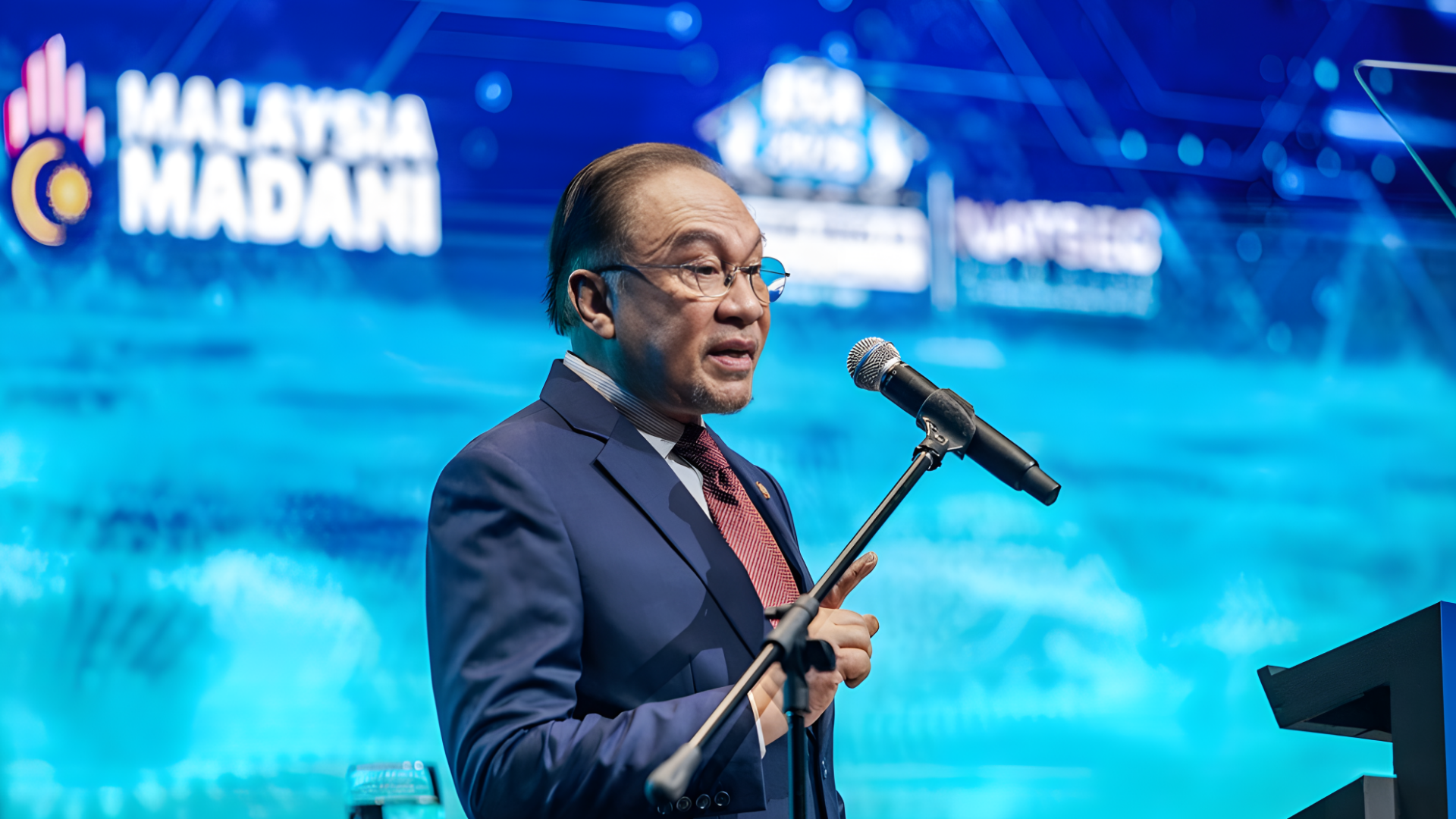
During the opening of a new building at Seberang Jaya Hospital, Anwar claimed that sectors such as healthcare, defense, and construction have been held hostage by cartels for decades. However, political analysts are quick to point out that these claims serve as a convenient “boogeyman” to deflect public anger over the rising cost of living and the removal of subsidies.
“By pointing the finger at cartels, the administration effectively washes its hands of responsibility for current price hikes,” said one local analyst. “It’s a classic political play: if prices stay high, the ‘cartels’ are to blame; if they drop, the government claims a heroic victory.”
Institutional Failure or Selective Enforcement?
The Prime Minister’s admission that billions are being siphoned annually has also raised uncomfortable questions about the competence of his own administration’s enforcement agencies. Critics argue that if the government already possesses the data on these leakages, the lack of high-profile prosecutions suggests either institutional weakness or selective enforcement.
The shift toward “generic medicines” and “breaking the chicken cartel”—which Anwar claims saved RM2.2 billion—has yet to translate into tangible relief for the average Malaysian. To many, these figures remain “paper savings” while the reality at grocery stores and pharmacies remains grim.
Cronyism Rebranded?
The most stinging criticism involves the suspicion of “crony replacement.” Observers suggest that “breaking ties” with established cartels often provides a vacuum for new, government-friendly entities to take over lucrative contracts.
Anwar’s insistence that savings from these “reforms” are being used to fund civil servant salary hikes and cash aids is being viewed by some as a populist bribe to maintain a fragile political base. Critics argue that instead of structural reform, the government is using “cartel-hunting” as a narrative to justify its aggressive fiscal shifts, including the unpopular withdrawal of diesel and petrol subsidies.
Rhetoric vs. Reality
As the Prime Minister speaks of “courage” and “tough decisions,” the public remains wary. Without transparent audits of who is winning the “new” contracts replacing the old cartels, the administration’s war on monopolies risks being dismissed as a mere PR exercise designed to mask the same old system of political patronage.