KUALA LUMPUR, El sky News – As governments worldwide grapple with fluctuating GDP targets, economists are pointing back to a fundamental pillar of fiscal policy: the Multiplier Effect. This phenomenon, which dictates how an initial injection of public spending ripples through the economy, remains the primary tool for transforming billion-ringgit investments into trillion-ringgit outcomes.
The Cycle of Consumption
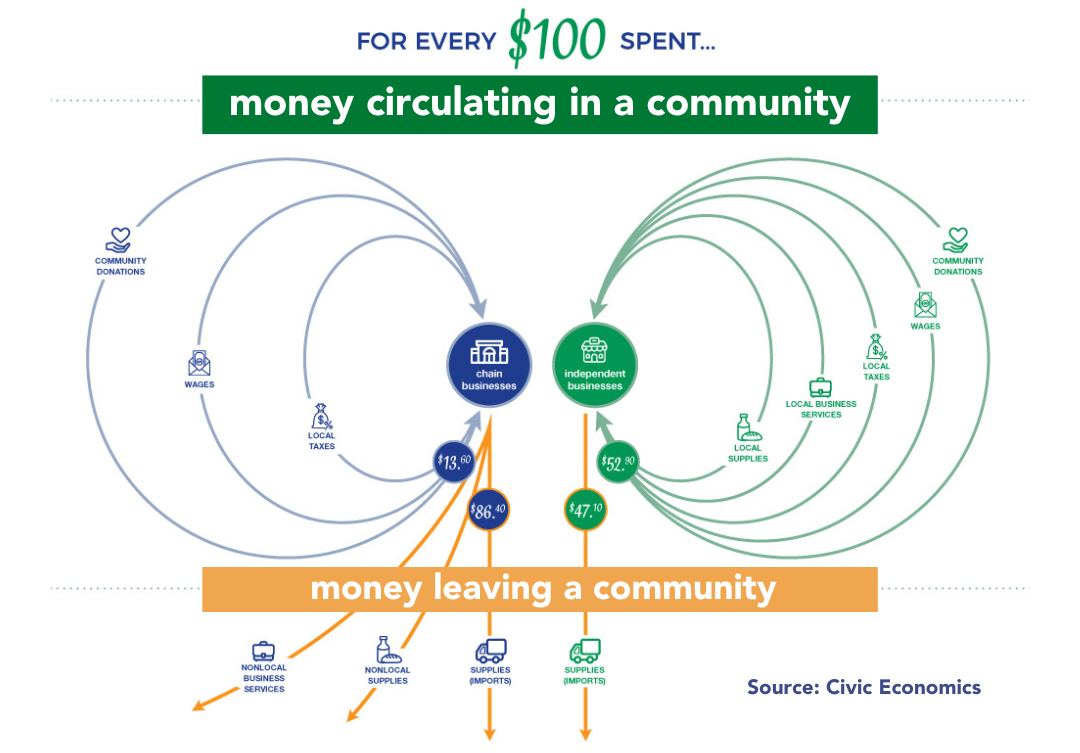
At its core, the multiplier effect is built on the principle that one entity’s spending becomes another’s income. When a government greenlights a major infrastructure project, the initial capital does not simply vanish into the pavement. It flows into the pockets of contractors, engineers, and laborers.

The real magic, however, happens in the second and third rounds of spending. Depending on the Marginal Propensity to Consume (MPC)—the likelihood of an individual spending an extra dollar rather than saving it—that income is then re-spent on local groceries, education, and services, creating a continuous loop of economic activity.
The Mathematics of Prosperity
Economists use a specific formula to predict the success of these interventions:

If a nation has a high consumption rate, the multiplier is high. Conversely, if citizens prefer to hoard cash or spend on foreign imports—known as “leakages”—the engine loses steam.
Plugs in the System: The Role of ‘Leakages’
The multiplier is not a guaranteed infinite loop. Analysts warn of three primary “leaks” that can dampen the impact of government spending:
- High Savings Rates: Money tucked away in personal vaults doesn’t circulate.
- Taxation: Higher tax brackets pull liquidity out of the consumer cycle.
- Import Dependency: When stimulus money is spent on foreign goods, the economic benefit “leaks” out to another country’s GDP.
Looking Ahead
For emerging markets, the goal is clear: maximize the multiplier by encouraging domestic spending and reducing reliance on imports. By understanding these dynamics, policymakers can ensure that every ringgit spent on public works acts as a seed for much wider industrial and social prosperity. (Rahul Rezky)