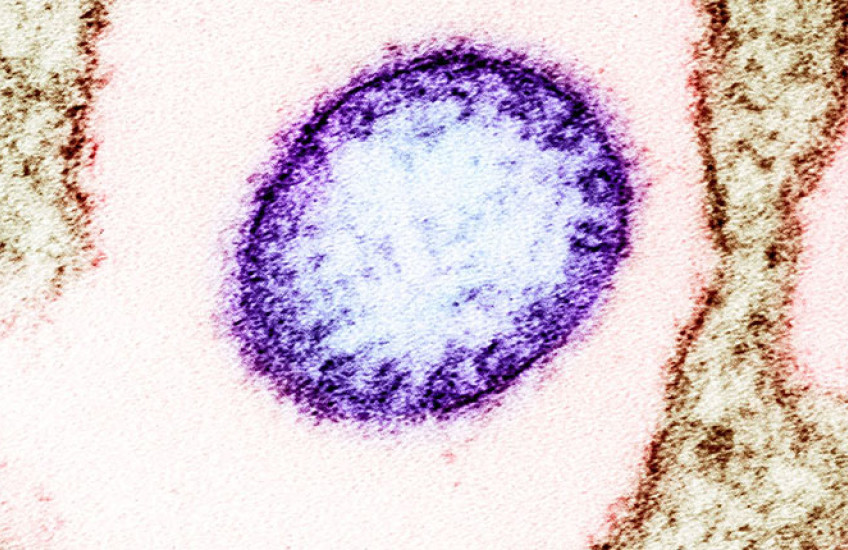
KUALA LUMPUR – A dark shadow that paralyzed the nation 28 years ago has returned to haunt the headlines. Following reports of a deadly surge in Nipah Virus (NiV) infections in India, Malaysia’s Ministry of Health (MOH) has announced it is “assessing the situation.” But for those who survived the bloody 1998-1999 outbreak, the word “assessing” sounds like a dangerous bureaucratic delay.
With a staggering fatality rate of up to 75%, the Nipah Virus is not just a health threat—it is a biological nightmare that makes COVID-19 look mild. The question is no longer about readiness; it’s about whether our borders are an open door for the next national tragedy.

The Trauma of 1998: A Wound That Never Healed
Malaysia is no stranger to Nipah; we are “Ground Zero.” This virus was first discovered here, starting in the village of Bukit Pelandok. That outbreak didn’t just claim over 100 lives in a matter of weeks; it decimated the livelihood of thousands of farmers and forced the mass culling of millions of livestock.
Today, as reports from Kerala, India, confirm deaths caused by acute encephalitis (brain inflammation) triggered by this same virus, Malaysia should be in “Combat Mode,” not just “Monitoring Mode.”
Leaky Borders: The Risk of ‘Importing’ Death
Critics are now zeroing in on international entry points, particularly for travelers arriving from India’s red zones. Are thermal scanners at KLIA enough to stop a virus with an incubation period of up to 45 days?
Experts warn that Nipah is a silent killer. If a single carrier slips into a densely populated urban center, Malaysia’s healthcare system—already exhausted post-pandemic—could buckle under the pressure within weeks.
Why We Should Be Terrified
Unlike common respiratory viruses, Nipah attacks the Central Nervous System. Victims suffer through:
- Excruciating headaches and high-grade fever.
- Mental confusion and seizures (signs of the brain swelling).
- Acute respiratory failure occurring within days.
There is no vaccine. There is no specific cure. The only “medicine” is absolute prevention at the border.
Conclusion: Do Not Wait for the First Body Bag
The government cannot afford to be reactive. The public does not want to hear press conferences filled with “promises of monitoring” only after the first case is detected in a local hospital. We need drastic action: mandatory screenings, strict quarantine for high-risk zones, and total transparency of data.
Is Malaysia truly ready? Or are we waiting for the first sirens to wail in our streets before admitting we were too late—again?
( Rahul Rezky )