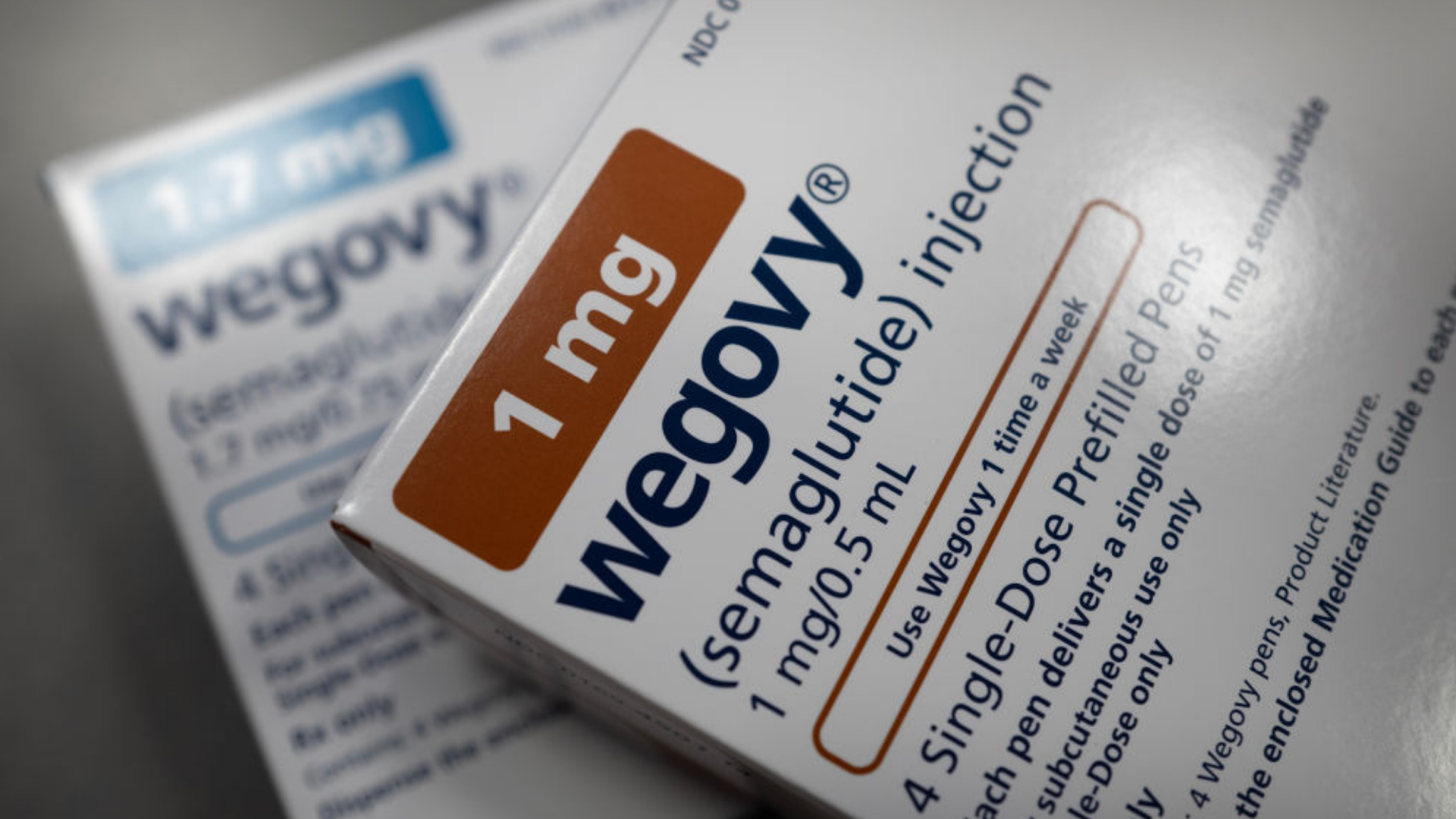
KUALA LUMPUR,APRIL — A new study has found that a leading weight-loss drug developed by Novo Nordisk may better preserve lean body mass compared to a competing treatment from Eli Lilly, raising important considerations for patients and healthcare providers in the rapidly expanding obesity drug market.
The research highlights a growing trade-off in modern weight-loss treatments: while some drugs deliver greater overall weight reduction, they may also lead to higher loss of muscle and other essential body tissues.

The study analyzed data from thousands of patients using two major GLP-1-based therapies:
- Novo Nordisk’s semaglutide (sold as Wegovy/Ozempic)
- Eli Lilly’s tirzepatide (sold as Zepbound/Mounjaro)
Findings showed that patients taking tirzepatide experienced greater loss of lean body mass compared to those using semaglutide.
- Around 1.1% more lean mass loss after three months
- About 2% more after one year
Additionally, among patients who lost more than 20% of their body weight:
- Around 10% of tirzepatide users experienced significant muscle loss
- Compared to less than 7% of semaglutide users
Despite these findings, tirzepatide has been shown to deliver greater total weight loss overall, making it highly effective for obesity treatment.
However, experts warn that losing too much lean body mass—including muscle—can have negative health implications, such as:
- Reduced physical strength
- Lower metabolism
- Increased risk of frailty over time
This has led to increasing focus on not just how much weight patients lose, but what type of weight is lost.
Researchers identified several factors that may contribute to higher muscle loss in patients using weight-loss drugs:
- Higher medication doses
- Longer duration of treatment
- Reduced physical activity
- Pre-existing muscle or joint conditions
These findings suggest that lifestyle factors, including exercise and nutrition, remain critical alongside medication.
The study comes amid intense competition between Novo Nordisk and Eli Lilly, two dominant players in the global weight-loss drug market.
Both companies have seen surging demand for their treatments, driven by:
- Rising global obesity rates
- Increased awareness of metabolic health
- Expanding medical use beyond diabetes
Analysts estimate that the market for obesity drugs could exceed $100 billion annually in the coming years, making it one of the fastest-growing sectors in the pharmaceutical industry.
While the findings provide valuable insights, researchers note that the study has not yet undergone peer review, meaning conclusions should be interpreted with caution.
Medical experts emphasize that treatment decisions should be individualized based on:
- Patient health conditions
- Weight-loss goals
- Risk tolerance
- Physician recommendations
The findings may influence how doctors and patients choose between weight-loss treatments.
Rather than focusing solely on total weight loss, healthcare providers may increasingly consider:
- Body composition changes
- Muscle preservation
- Long-term health outcomes
This could lead to more personalized treatment strategies in obesity management.
As the global demand for weight-loss medications continues to grow, new research is likely to shape how these treatments are prescribed and evaluated.
The balance between effective fat loss and preservation of lean body mass is expected to become a central focus in the next phase of obesity treatment innovation.
With ongoing studies and increasing competition, both Novo Nordisk and Eli Lilly are expected to continue refining their therapies to improve outcomes and address emerging health concerns.