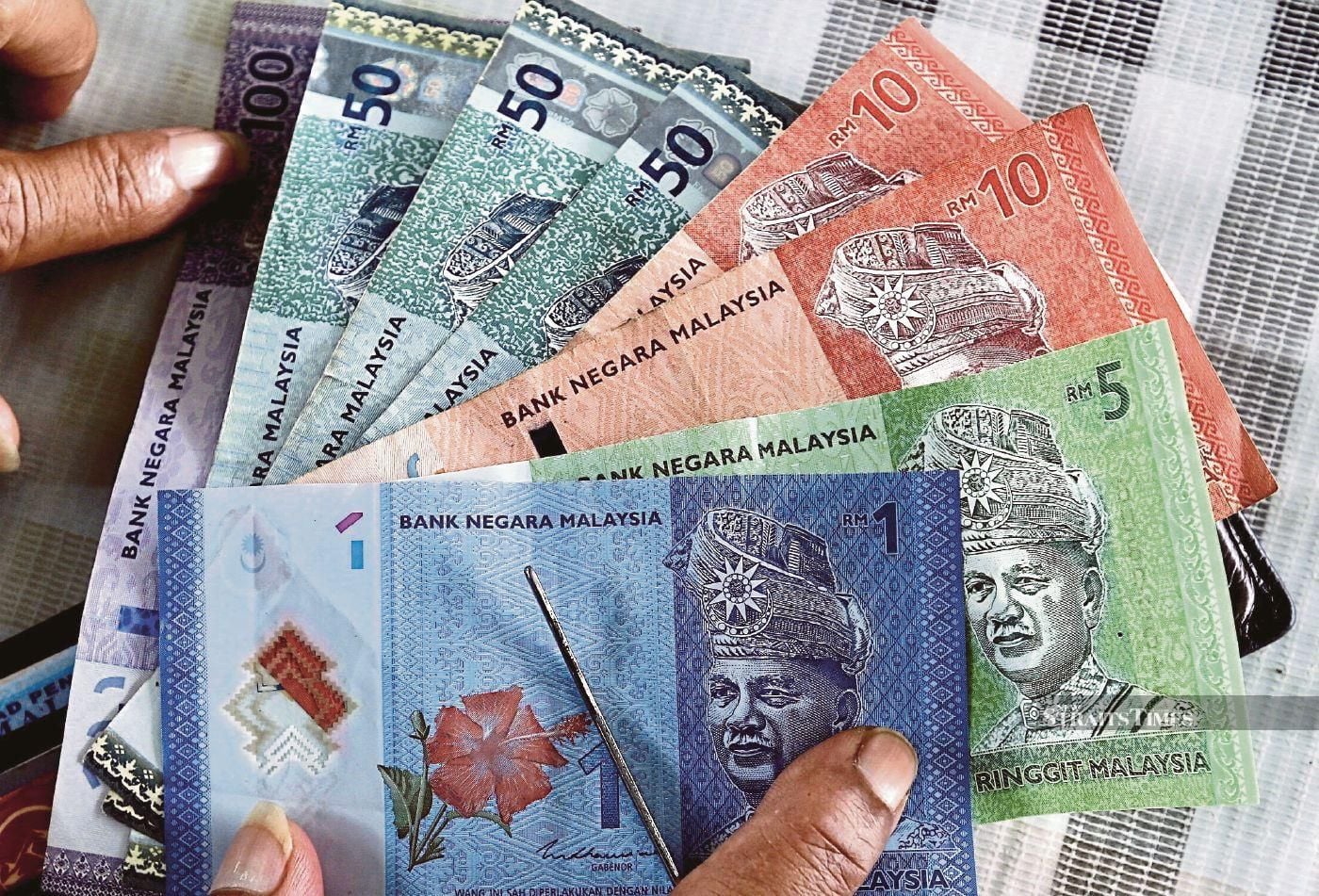
he Malaysian Finance Ministry has confirmed that as of 10 February 2026, a total of RM5.4 billion in tax refunds for the 2023 Year of Assessment (YA) has already been disbursed to taxpayers, covering 38,629 cases. This represents a significant advance over the ministry’s original timeline, which aimed to complete first-quarter disbursements by the end of March 2026.
During Minister’s Question Time in the Dewan Rakyat, Deputy Finance Minister Datuk Seri Amir Hamzah Azizan provided a detailed update on the status of excess tax refunds. He confirmed that all pending refunds from the 2022 Year of Assessment and prior years have been fully settled, ensuring that taxpayers affected by past delays have received their dues. The 2023 disbursements mark the beginning of a broader push to accelerate refund processes and enhance efficiency in line with the government’s fiscal reform agenda.

The ministry has also announced that refunds for the 2024 Year of Assessment are targeted for completion by the end of 2026, reflecting an ongoing commitment to ensure that taxpayers receive their refunds in a timely, fair, and transparent manner. Measures to expedite payments include:
- Prioritising older refund cases first
- Using a first-in, first-out (FIFO) methodology
- Giving special consideration to individual taxpayers and small to medium enterprises (SMEs) experiencing cash-flow pressures
These measures aim to support both households and businesses that rely on these refunds for operational liquidity and personal finance management.
The announcement also notes that Malaysia has seen record tax refund payouts in recent years, including RM22.45 billion in 2025, marking the highest annual disbursement in five years. The Finance Ministry emphasises that the accelerated disbursement process is part of ongoing efforts to strengthen tax administration, improve transparency, and uphold taxpayer rights.
Deputy Finance Minister Amir Hamzah further highlighted that the government is committed to using technology and digital platforms to streamline the refund process, including electronic tracking systems to allow taxpayers to monitor the status of their claims. These initiatives aim to reduce delays, improve accountability, and enhance the overall taxpayer experience.
Overall, this move reflects the Malaysian government’s strategy to balance fiscal responsibility with citizen support, ensuring that refunds are issued efficiently while maintaining sustainable budget management. It also underscores the ministry’s focus on continuously modernising tax administration and meeting the expectations of both individuals and businesses in an increasingly digital economy.