BARCELONA, Feb 27, 2026 — The Mobile World Congress (MWC) — one of the world’s largest gatherings of mobile technology makers — is spotlighting a trio of major industry themes this year: robot phones, expanding 5G networks, and a growing debate over sovereign artificial intelligence (AI).
Set against the backdrop of Barcelona’s bustling tech corridors, device makers and network operators are showcasing innovations that signal where the smartphone and connectivity world may be headed.

1. Robot Phones Take Center Stage
One of the more futuristic developments gaining buzz is the concept of robot phones — devices that combine traditional smartphone capabilities with elements of robotics, such as adaptive physical displays, haptic interactions, and assistive functions that go beyond traditional touchscreens.
Industry insiders say these hybrid designs aim to bridge the gap between mobile computing and intelligent hardware, enabling features like dynamic shape shifting, enhanced sensor arrays for smarter environmental awareness, and even basic autonomous behaviours powered by onboard AI.
Although still at an early stage, several prototypes on display have drawn attention from developers and consumers alike, marking a potential new category in mobile hardware.
2. 5G Expansion Still a Priority
While 5G networks are already widely deployed in many markets, the theme of expanded coverage — particularly in rural, underserved and emerging markets — remains a key focus at MWC.
Operators from Europe, Asia and Latin America highlighted ongoing efforts to improve 5G accessibility, enhance network performance with 5G Advanced technologies, and prepare for future evolutions toward 6G.
Executives emphasised that stronger 5G networks will be critical to supporting next‑generation services, including real‑time AI applications, augmented reality (AR), virtual reality (VR), and billions of connected devices across the Internet of Things (IoT).
3. Sovereign AI in Global Tech Strategy
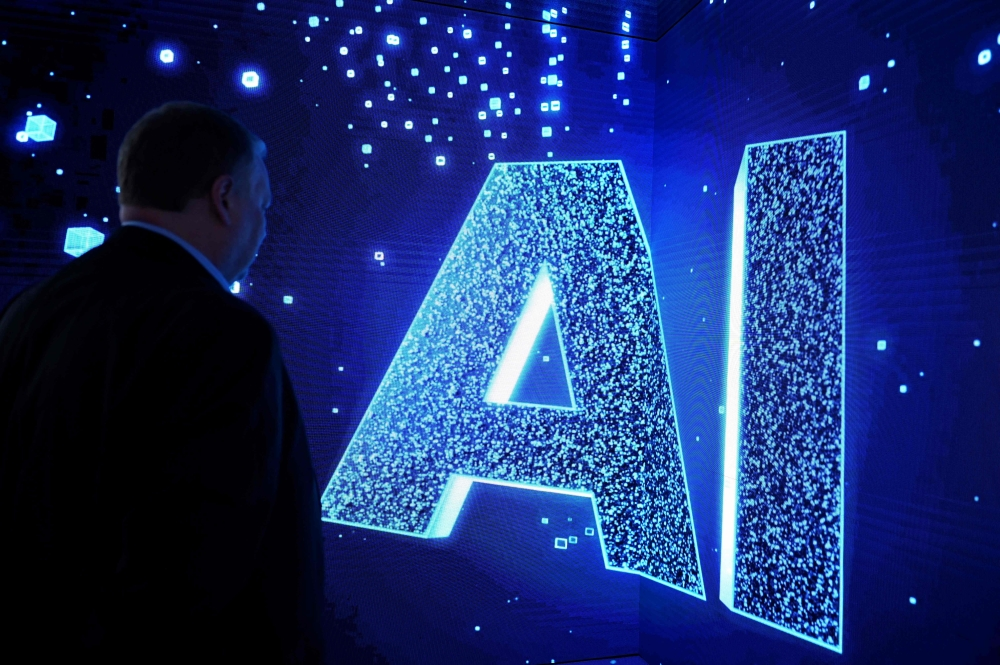
Perhaps the most pressing and controversial conversation at this year’s congress concerns sovereign AI — the idea that nations should develop and regulate artificial intelligence systems independently to preserve digital autonomy, protect sensitive data, and reduce reliance on foreign tech platforms.
Government delegates, policymakers and industry leaders debated how sovereign AI frameworks can balance innovation with national security, ethical standards, and economic competitiveness. Some argue that local AI governance will empower domestic industries and reduce risks from cross‑border data flows, while critics caution against fragmentation that could hinder global cooperation.
Speakers emphasised the need for interoperability standards, transparent regulatory frameworks, and international dialogue to ensure that sovereign AI strategies both protect citizens and support innovation.
Industry Outlook and Reactions
Tech analysts say MWC’s converging themes reflect broader shifts in the mobile ecosystem. “We’re seeing a move beyond incremental smartphone upgrades toward devices and networks that are more intelligent, connected, and responsive to real‑world needs,” said one industry veteran.
The intersection of 5G expansion and AI development — including debates over how nations steward their digital futures — also highlights how emerging technologies are no longer just consumer products but tools with geopolitical significance.
Attendees noted that while robot phones may still be experimental, the broader push for smarter, more autonomous devices powered by edge computing and next‑gen networks is already underway.
As the week continues, companies are expected to share more announcements on partnerships, standards initiatives, and product plans tied to these key themes — shaping a broader picture of where mobile technology is headed in the next decade.