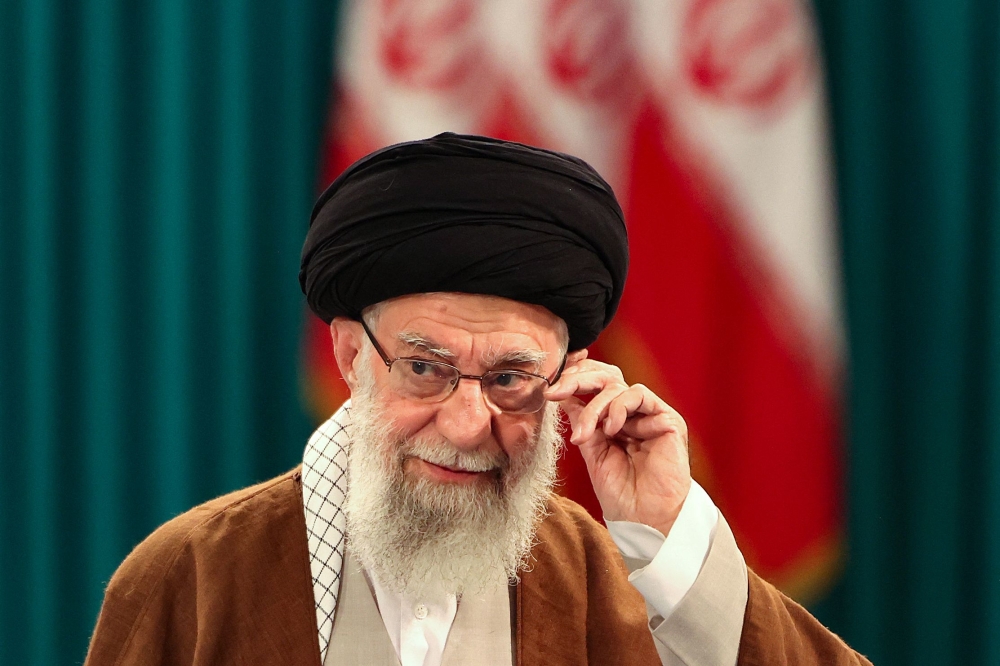
TEHRAN / WASHINGTON / TEL AVIV, March 1, 2026 — Iran’s state media has formally confirmed that Supreme Leader Ayatollah Ali Khamenei, 86, has died following strikes on the country last week, marking a dramatic turning point in the ongoing conflict between the Islamic Republic and a US-Israeli military offensive.
Iranian state television announced the leader’s death early Sunday, with a broadcast presenter declaring his passing and displaying images in mourning. Authorities also reported that members of Khamenei’s family, including his daughter, grandson and other relatives, were killed in the same attacks.

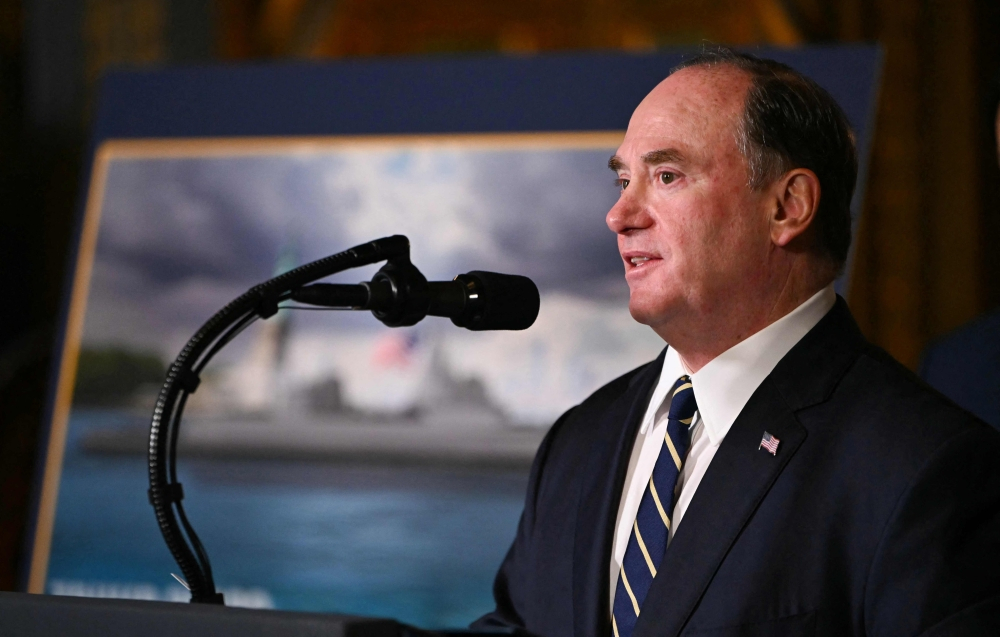
The confirmation came hours after US President Donald Trump and Israeli Prime Minister Benjamin Netanyahu both signalled that the cleric had been killed in a joint airstrike campaign conducted late Saturday night and into early Saturday morning. Trump wrote on social media that Khamenei was dead, describing him as “one of the most evil people in history” and characterising his death as a moment for Iranians to “take back their country.”
Netanyahu also touted “many signs” that Khamenei had been killed, asserting that airstrikes had destroyed the Supreme Leader’s compound in Tehran and eliminated senior regime figures.
In response to the confirmation, the Iranian government declared a 40-day period of mourning and a week of public holidays, acknowledging the death of the Islamic Republic’s spiritual and political head. Khamenei had led Iran since 1989, succeeding Ayatollah Ruhollah Khomeini and shaping the nation’s foreign and domestic policies for more than three decades.
Following the announcement, both Trump and Netanyahu issued statements that went beyond simply confirming the death. Trump encouraged ordinary Iranians and security forces to “seize this great chance” to challenge the clerical establishment, framing the moment as an opportunity for regime change. Netanyahu similarly urged Iranians to secure their future and “finish the job.”
Regional Tensions Escalate
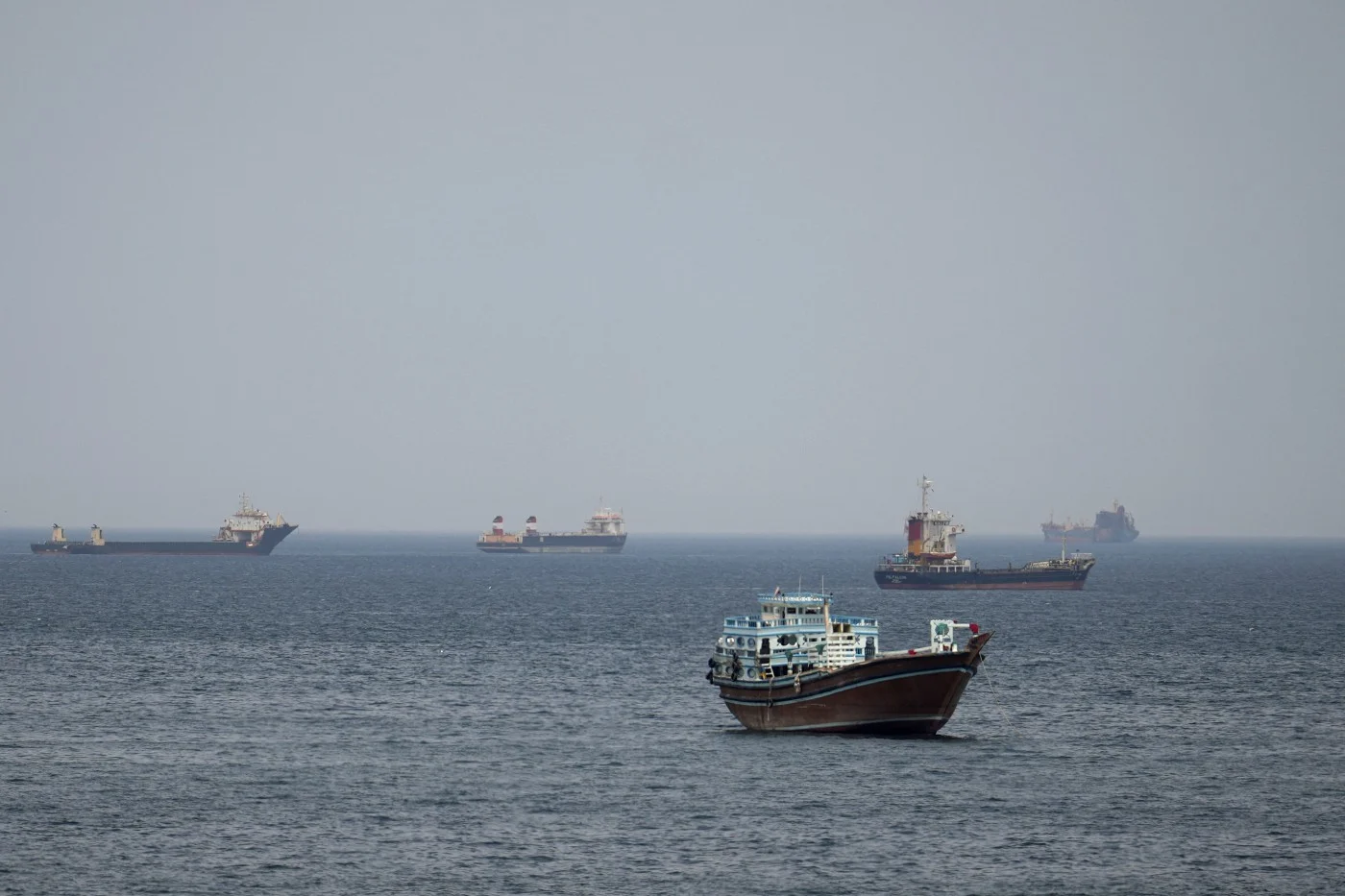
The strikes that reportedly killed Khamenei were part of a broader US-Israeli offensive that began last Friday, with multiple targets across Tehran’s strategic, military and political infrastructure hit in a campaign codenamed Operation Epic Fury. The action has prompted intense retaliation from Tehran, including missile and drone attacks against Israel and US positions in the Middle East, heightening fears of a broader regional conflict.
Iran’s Islamic Revolutionary Guard Corps (IRGC) and other military bodies have vowed severely punitive action in response to what they call foreign aggression, warning that the cleric’s death will not go unanswered.
Leadership Vacuum and Uncertain Future
With no clearly designated successor, Iran now faces a potential power vacuum at the highest level of its political system. Analysts say this could lead to internal power struggles or a reshuffling of authority among senior clerics, the IRGC and other factions within the regime.
International reaction has been mixed, with some governments calling for restraint and diplomacy to avoid further escalation. Global markets have already shown signs of stress due to the instability, particularly in energy sectors sensitive to Middle East geopolitics.
The unfolding situation continues to draw worldwide attention as leaders, diplomats and citizens alike grapple with the implications of Khamenei’s death and the future direction of Iran in the midst of one of the region’s most serious military confrontations in decades.