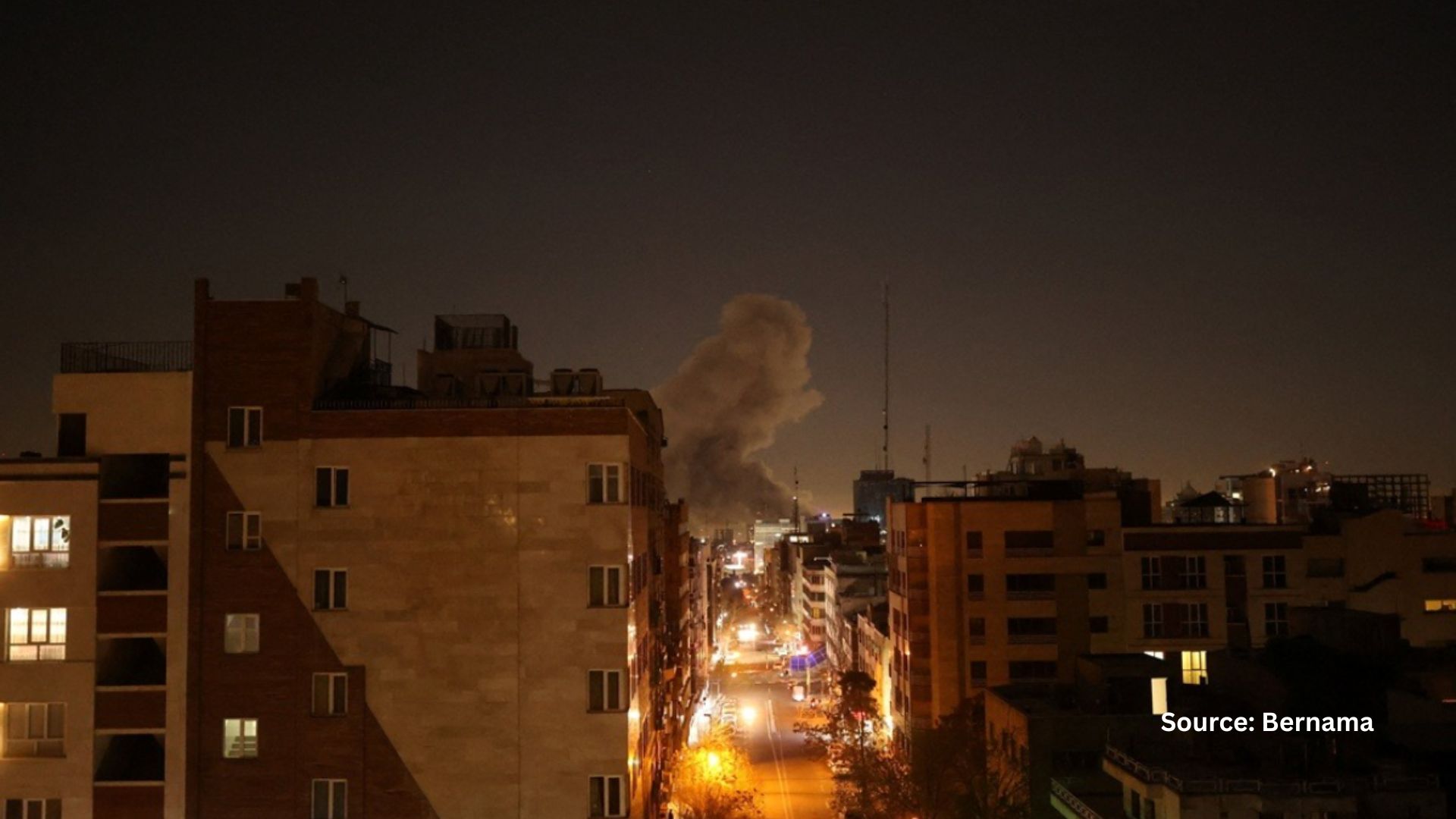
KUALA LUMPUR, March 2, 2026 – As geopolitical tensions escalate following military strikes by the United States and Israel on Iran, economists and policymakers in Malaysia are closely monitoring the potential fallout. While the immediate reaction in global markets has been marked by volatility, experts suggest that Malaysia’s strategic market positioning and fiscal frameworks may limit the long-term impact on the national economy, provided the conflict remains contained.
The sudden nature of the strikes—described by Israel as a “pre-emptive attack” to eliminate threats—initially sent ripples through regional markets. However, Nazmi Idrus, Chief Economist at CGS International Securities Malaysia, pointed out that the financial sector had already been bracing for such a scenario.

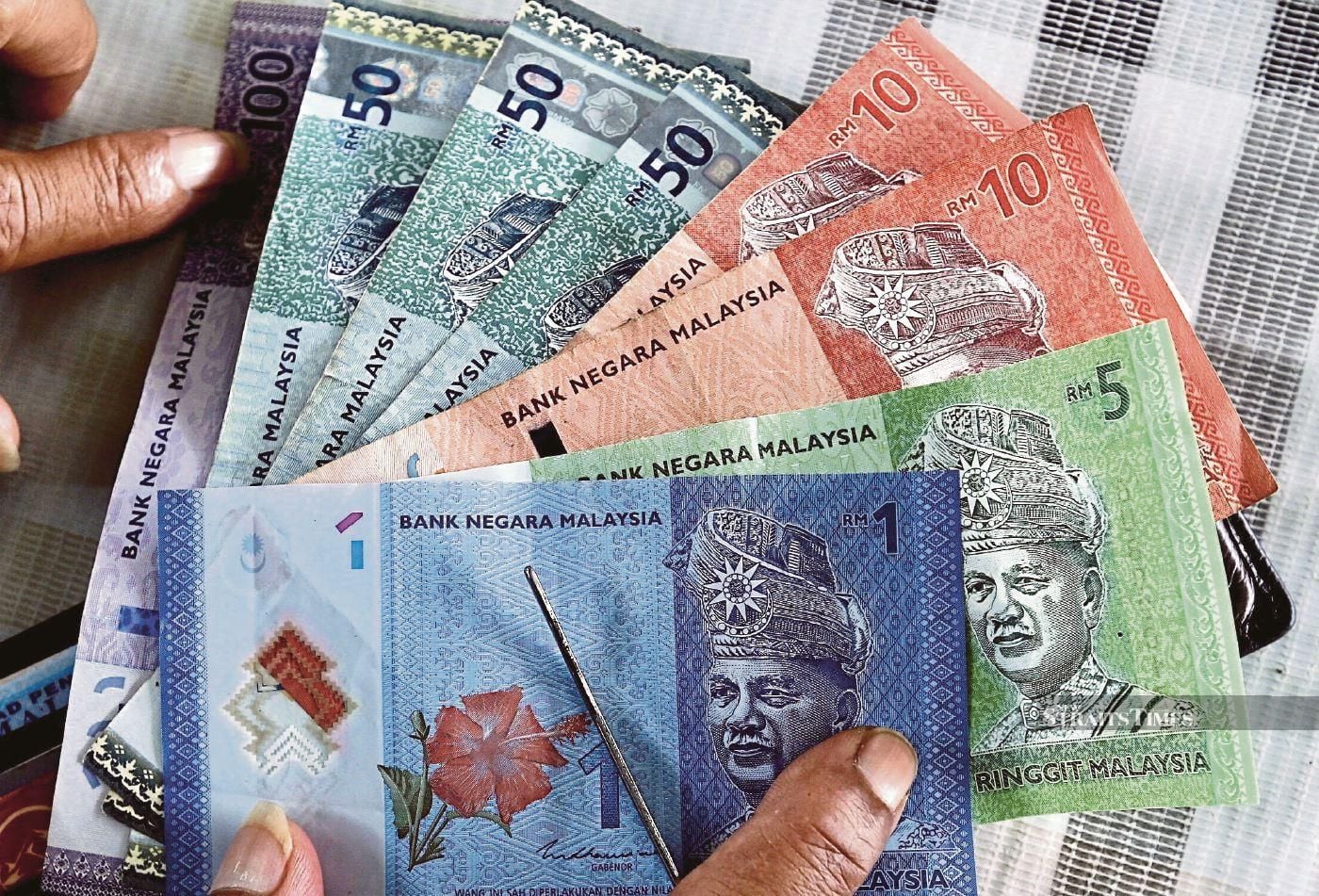
“The market likely has positioned itself as this conflict was somewhat expected,” Nazmi told Bernama. He noted that while a ‘risk-off’ sentiment (where investors move away from volatile assets) is inevitable in the short term, any over-reaction is expected to be temporary. The true extent of the impact on the Ringgit and domestic equity markets will ultimately depend on whether the conflict intensifies or begins to de-escalate in the coming weeks.
One of the most critical variables for Malaysia is the price of crude oil. As a net exporter of petroleum products, Malaysia typically sees a boost in revenue when global oil prices rise. However, Dr. Nungsari Ahmad Radhi, a prominent economist, cautioned that this does not automatically translate into a fiscal windfall for the government.
“A rise in oil prices profits Petronas, but the cost of petrol subsidies also rises for the government,” Dr. Nungsari explained. The net effect on the national budget depends on the “elasticity” of these two factors—specifically, whether the increased dividends from Petronas can sufficiently cover the ballooning costs of maintaining domestic fuel prices.
To mitigate the impact on the public, Prime Minister Datuk Seri Anwar Ibrahim has affirmed that the government will attempt to maintain the price of RON95 under the BUDI95 program. This move is intended to shield Malaysian consumers from the inflationary pressure that usually follows a spike in energy costs.
The conflict has already triggered immediate operational shifts across several key Malaysian sectors:
- Aviation: Malaysia Airlines has proactively extended the suspension of its flight services to and from major hubs including Doha, Jeddah, and Madinah until March 4, citing safety concerns in the regional airspace.
- Maritime Trade: The government has issued a formal advisory for all Malaysian-registered vessels to avoid transiting through the Strait of Hormuz, a critical chokepoint for global energy supplies that has become increasingly dangerous.
- Logistics and Supply Chain: Economy Minister Akmal Nasrullah Mohd Nasir stated that the government is currently evaluating the direct relationship with Iran and how broader geopolitical tensions might disrupt global supply chains essential to Malaysia’s manufacturing sector.
Dr. Mohd Afzanizam Abdul Rashid, Chief Economist at Bank Muamalat Malaysia Bhd, emphasized that the situation remains “highly uncertain.” He noted that prolonged elevation in energy prices could eventually influence broader inflation expectations and cost structures across the country.
“Policymakers will likely monitor developments closely to assess second-round effects on prices and financial stability,” Dr. Afzanizam added.
While the Prime Minister has expressed deep concern over the threat to international peace, the consensus among Malaysia’s financial experts is one of “cautious resilience.” By leveraging existing subsidy programs and monitoring Petronas’ fiscal contributions, Malaysia aims to weather the storm of volatility that has gripped the Middle East.