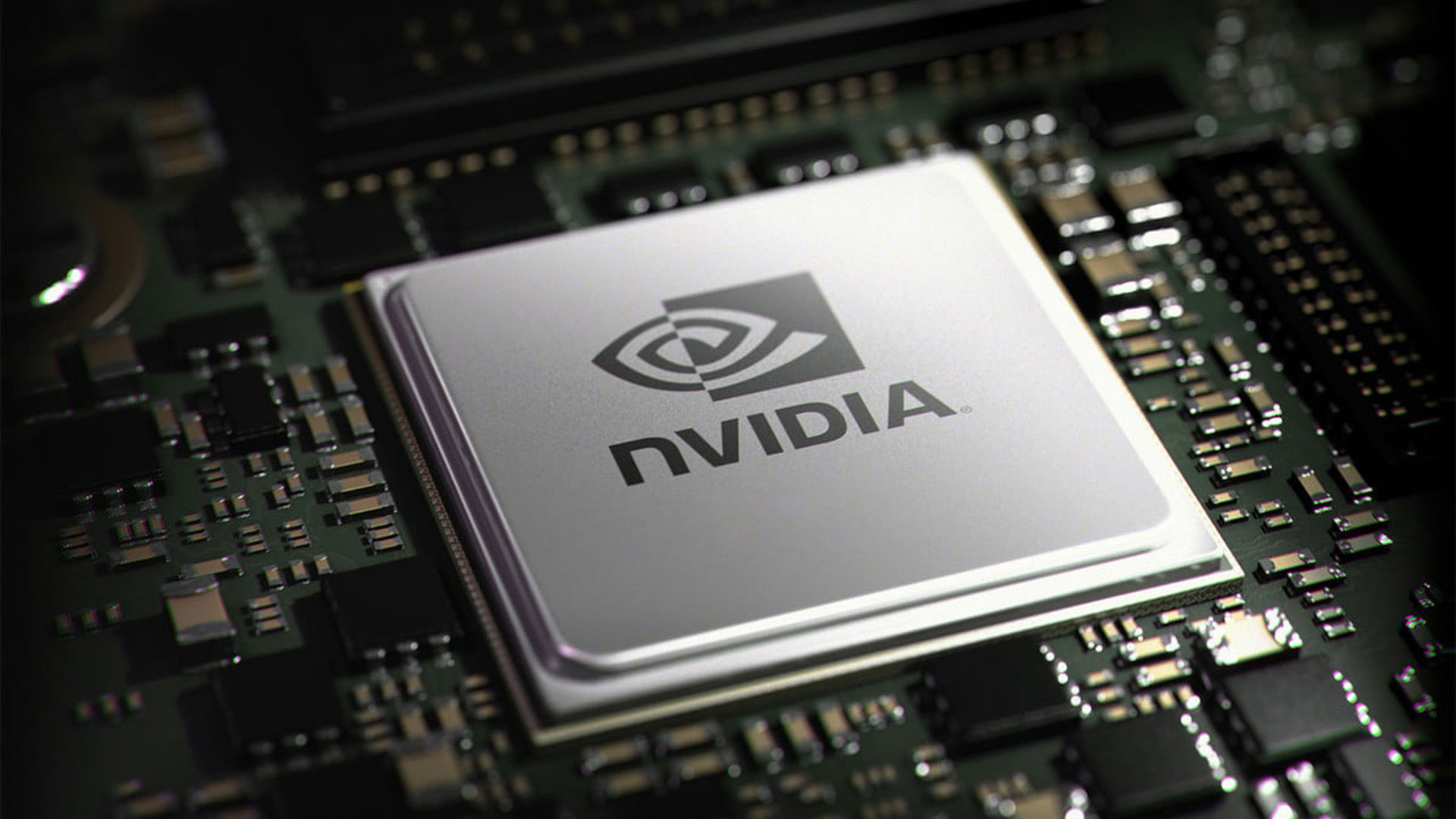
Nvidia Corp. is planning to introduce a new processor designed to accelerate AI inference computing, according to a report by The Wall Street Journal. The upcoming chip is intended to help organizations, including major AI developers, build faster and more efficient AI systems capable of quickly answering queries and running applications.
The new platform will be unveiled at Nvidia’s annual GTC developer conference in San Jose next month, where the company typically showcases its latest hardware and software innovations. Nvidia’s latest design incorporates technology from startup Groq, which the company acquired in a multibillion‑dollar deal, and will be tailored for the specific demands of inference — the phase of AI computing focused on generating responses rather than training models.

Inference computing has become increasingly vital as AI moves beyond research and development into widespread commercial use. Applications such as chatbots, recommendation systems and real‑time AI services require very fast and efficient processing to ensure smooth and responsive performance for users. Analysts say that optimizing this part of AI workloads is now as important as the training phase itself.
OpenAI, one of Nvidia’s largest customers, is expected to be a major user of the new chip, as it seeks hardware that can deliver improved inference performance. According to sources familiar with the matter, OpenAI has been exploring alternatives to Nvidia’s current solutions, including chips from other startups and cloud providers, as it looks to expand its computational capabilities. Nvidia’s latest design aims to meet around 10% of OpenAI’s future inference computing needs, underscoring the importance of efficient hardware in supporting large‑scale AI deployments.
The strategic shift toward inference‑focused processors comes amid growing competition in AI hardware from companies such as Google, Amazon and specialized chip startups. Nvidia has traditionally dominated the graphics processing unit (GPU) market, which has served as the backbone of AI training and inference workloads, but rivals have been increasingly pushing for cost‑effective alternatives.
Industry observers note that the new chip could significantly influence the computing market by offering a tailored solution that balances performance, power efficiency and cost for inference tasks. With AI usage expanding across industries and data centers, demand for specialized hardware optimized for real‑world AI applications continues to surge. The GTC conference presentation is expected to provide deeper insights into the architecture, capabilities and ecosystem support for this upcoming processor.
As Nvidia prepares to adapt its product strategy to evolving AI workloads, the broader tech sector watches closely to see how such innovations will shape future computing platforms and competitive dynamics.