Kuala Lumpur — China is moving swiftly to reinforce its energy security as a global oil crisis unfolds, driven by escalating tensions between the United States and Iran. The geopolitical conflict has disrupted major oil supply routes, prompting Beijing to secure its energy needs while reducing reliance on the Middle East.
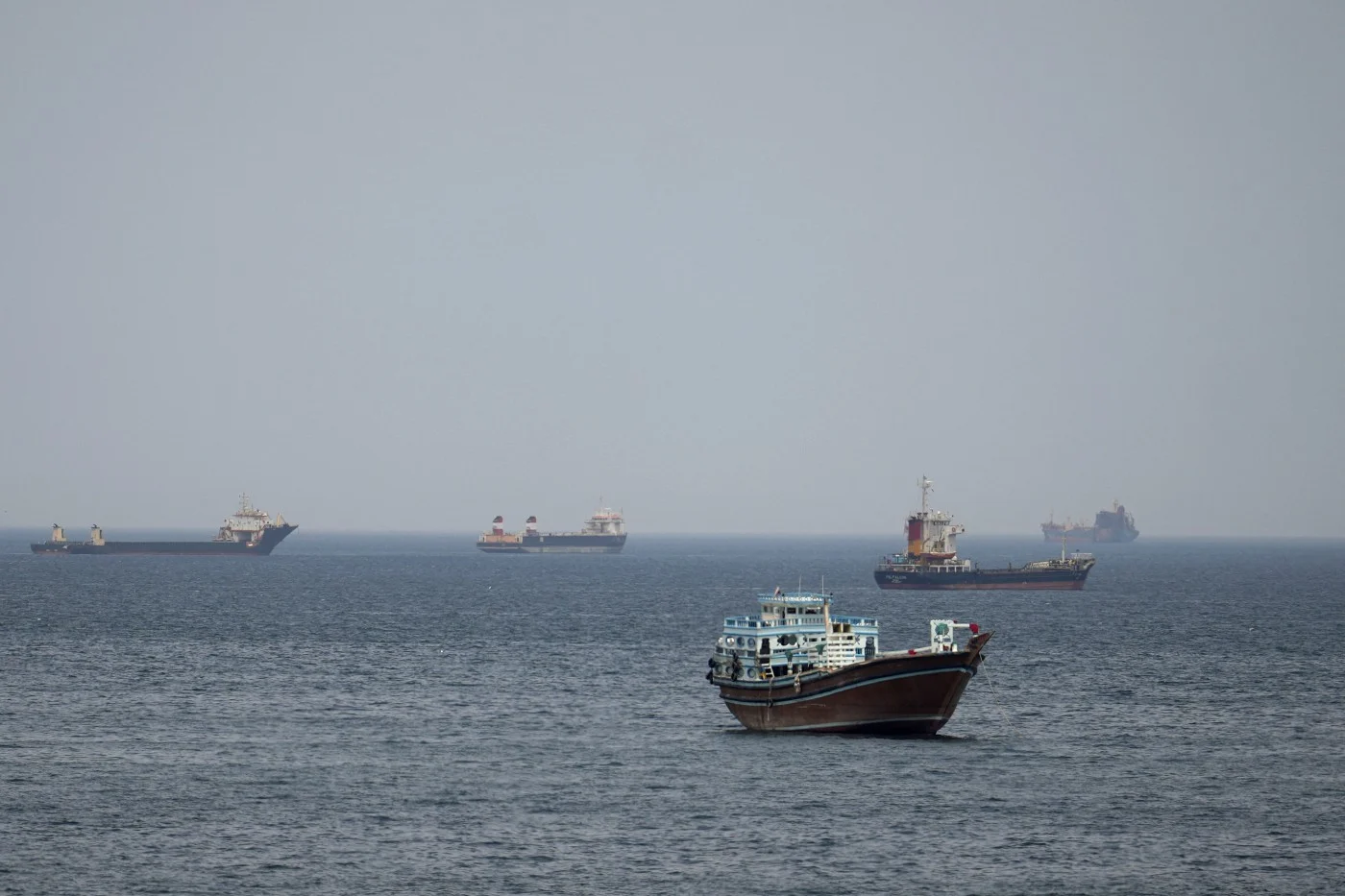
The crisis stems largely from instability around the Strait of Hormuz, a critical passage that carries roughly 20% of the world’s oil supply. Any disruption in this route has triggered sharp increases in energy prices and raised concerns over global economic stability.

As the world’s largest energy importer, China faces significant pressure. Its heavy dependence on Middle Eastern oil has forced the government to quickly adjust its strategy. In recent months, China has reduced imports from the region and sought alternative suppliers, including Russia and Brazil.
To mitigate the impact, Beijing has implemented several key measures. These include expanding national energy reserves, diversifying import sources, and boosting domestic production to stabilize supply within the country.
Meanwhile, the crisis has driven a surge in global oil prices. Analysts warn that the current situation could become one of the most severe energy shocks in modern history, fueled by supply disruptions and damage to energy infrastructure in conflict zones.
The effects are not limited to China. Other Asian economies that rely heavily on energy imports are also experiencing rising fuel costs and increasing economic pressure.
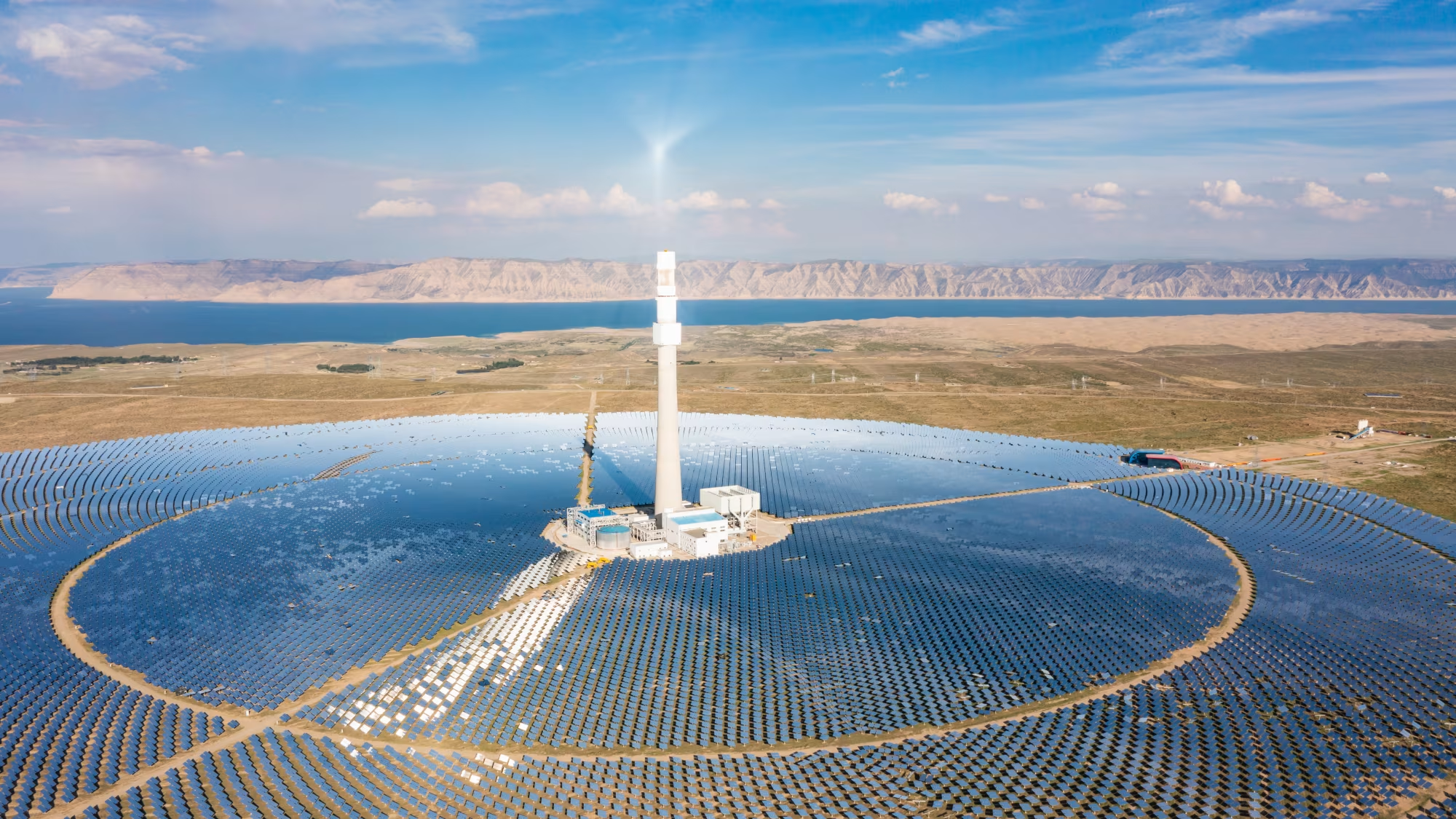
In the long term, the crisis is expected to accelerate the global energy transition. Countries are increasingly exploring renewable energy options and diversification strategies to reduce vulnerability to geopolitical conflicts.
This situation underscores that energy security is no longer just an economic concern, but a critical global strategic issue. For China, swift action in diversifying energy sources and strengthening reserves will be essential to navigating the uncertainty of the global energy market.