Gold prices have risen for a fifth straight session, as investors around the world increasingly turned to the precious metal as a safe‑haven asset amid escalating geopolitical tensions in the Gulf region. The ongoing air war involving the United States, Israel and Iran has heightened fears that the conflict could evolve into a protracted regional confrontation, deepening uncertainty in financial markets and boosting demand for traditional hedges.
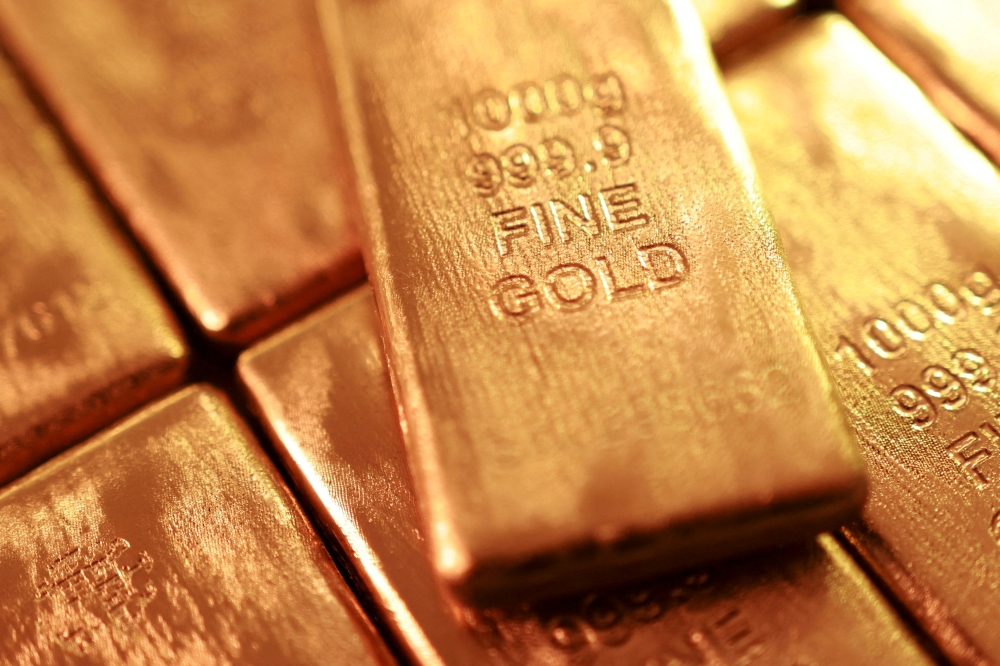
As of early Asian trading on Tuesday, spot gold was up approximately 0.7 per cent at US$5,362.90 per ounce, not far below its highest level in over four weeks. In the session prior, bullion had already climbed to multi‑week highs after the US and Israeli air strikes on Iranian targets earlier in the weekend. US gold futures for April delivery were also trading higher, up around 1.2 per cent at US$5,376.50, reflecting continued strong demand for bullion among market participants.

Analysts say that the market’s reaction has been driven largely by the unclear scope and duration of the conflict. “The scope and duration of the conflict remain very much open‑ended, and with those uncertainties in play, gold is capturing the lion’s share of safe‑haven demand,” said Tim Waterer, chief market analyst at KCM Trade. This sentiment underscores the traditional role of gold as a hedge against geopolitical risk when uncertainty rises.
Geopolitical Drivers
Recent developments have intensified concerns over critical energy routes and supply chains. Iranian state media reported that a senior official from the Islamic Revolutionary Guard Corps (IRGC) said the Strait of Hormuz — a strategic maritime corridor through which a significant portion of global oil exports pass — had been closed, and warned that Iran would fire on any vessel attempting to traverse the waterway. Should this materialise, it threatens to choke off a substantial share of global oil flows and could trigger wider disruptions in energy markets.
The intensifying conflict in the Gulf has prompted investors not only to seek safety in gold, but also to reassess global risk exposure across asset classes. Traditionally, a stronger US dollar tends to make dollar‑denominated assets such as gold more costly for holders of other currencies. However, in periods of heightened stress and volatility, investors often buy both gold and the dollar as competing safe‑haven assets. As a result, gold prices have continued to rise even as the dollar hovered close to a multi‑week high.
Broader Precious Metals Performance
The safe‑haven rush has extended beyond gold. Silver, platinum and palladium also registered gains in recent trading sessions, reflecting broad safe‑haven flows. Spot silver edged about 0.2 per cent higher, after itself reaching a more than four‑week high in the previous session. Platinum added around 0.3 per cent, while palladium gained roughly 1 per cent. These moves show that demand for defensive metals has strengthened alongside gold as uncertainties persist.
Inflation and Market Implications
Market participants have also expressed concerns about inflationary pressures in light of rising energy prices and supply chain risks, especially given the potential for prolonged conflict in the Middle East. Oil prices, which have surged in recent sessions, contribute to broader inflation expectations and have pushed investors to seek shelter in assets that traditionally preserve value. Some analysts argue that gold’s gains might have been even larger had it not been for the strengthening of the US dollar since the conflict intensified.
Among other factors influencing gold’s rise is the broader uncertainty across global financial markets. With equities experiencing volatility and bond yields fluctuating, many traders are reallocating capital into traditional safe‑haven stores of value. Central banks and institutional investors continue to monitor developments closely, realigning portfolios to mitigate risk and preserve capital.