KUALA LUMPUR, March 5 — The Malaysian government has reaffirmed its confidence that the proposed constitutional amendment to limit the Prime Minister’s tenure to a maximum of 10 years will be successfully passed when it is retabled during the June parliamentary sitting.
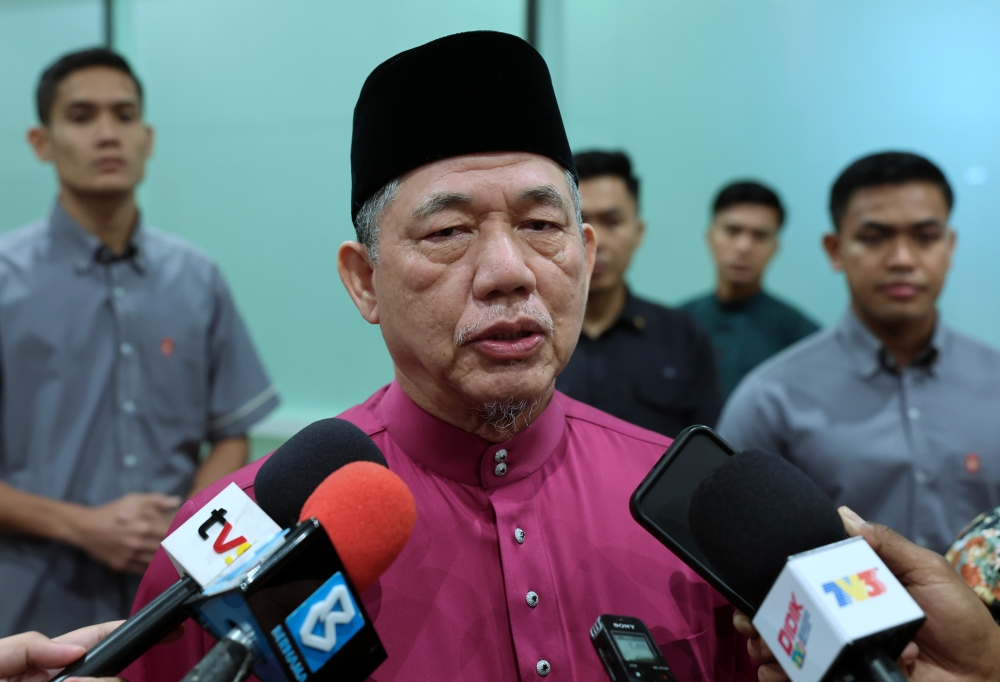
Deputy Prime Minister Fadillah Yusof said the government remains optimistic that the bill will secure the constitutionally required two-thirds majority in the Dewan Rakyat, after narrowly missing the threshold in its previous attempt.

During the earlier vote, the amendment garnered 146 votes in favour — just two votes short of the 148 required to amend the Federal Constitution. Several Members of Parliament were absent during the voting process, a factor the government believes contributed to the shortfall rather than outright rejection of the proposal.
Fadillah, who also serves as the government’s chief whip, stressed that many of those absent had expressed support for the reform. He added that better coordination and attendance management would be prioritised ahead of the June session to ensure sufficient backing.
“This reform is not about any individual. It is about strengthening institutions and ensuring long-term political stability,” he said, emphasising that the proposed amendment forms part of the government’s broader institutional reform agenda.
The proposed amendment seeks to cap the Prime Minister’s tenure at a cumulative 10 years, whether served consecutively or otherwise. If passed, Malaysia would join a number of democratic nations that have formal leadership term limits aimed at preventing prolonged concentration of executive power.
Communications Minister and government spokesperson Fahmi Fadzil confirmed that the bill will be reviewed at the Cabinet level before being reintroduced in June. He said the government remains committed to building consensus across party lines, acknowledging that constitutional amendments require bipartisan cooperation.
The amendment requires a two-thirds majority in the Parliament of Malaysia, reflecting the significance of altering provisions within the Federal Constitution. Government leaders have reiterated that the reform is designed to institutionalise leadership limits and promote accountability, rather than serve short-term political interests.
Political analysts have described the initial narrow defeat as a procedural setback rather than a substantive rejection. Many observers believe the bill stands a strong chance of passing if attendance issues are resolved and party discipline is reinforced.
The proposal to limit the Prime Minister’s tenure has been widely discussed in recent years, particularly amid growing calls for structural reforms to strengthen democratic governance. Supporters argue that a term limit would prevent excessive consolidation of power, encourage leadership renewal, and reinforce public confidence in Malaysia’s political system.
Critics, however, caution that institutional reforms must be accompanied by broader structural changes to ensure lasting impact. Nonetheless, the government has positioned the proposed amendment as a foundational step in its reform agenda.
With the June parliamentary session approaching, attention is now focused on whether the government can rally the necessary support to secure the historic constitutional change. If successful, the amendment would mark one of the most significant governance reforms in Malaysia in recent decades.