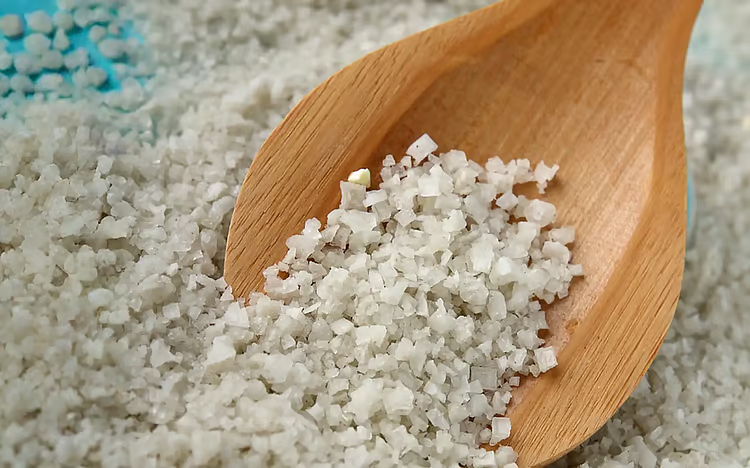
In recent weeks, a trending health claim has circulated on social media suggesting that Celtic salt — a type of unrefined sea salt — may help people stay hydrated while fasting. However, experts warn this viral “hack” may be misleading and could actually increase thirst rather than improve hydration substantially.
Celtic salt, also known as “grey salt,” is unprocessed sea salt harvested through traditional methods that preserve trace minerals such as magnesium, potassium, and calcium. These minerals are often marketed as beneficial for electrolyte balance and hydration.

What the Viral Claim Says
The viral social media trend claims that consuming Celtic salt — either by placing crystals under the tongue before drinking water, or by adding a pinch to water — can help water be absorbed more effectively by the body during fasting. Proponents say this method helps maintain fluid levels without breaking the fast.
Expert Views: Myth or Reality?
Nutrition and medical experts are urging caution. Many specialists argue that adding salt to water — including Celtic salt — does not provide extra hydration benefits for most people and may even make some individuals feel more thirsty.
Registered dietitians explain that while sodium — the main component of all salts — plays a role in maintaining fluid and electrolyte balance, the body’s hydration level depends primarily on total water intake, not salt. Excess sodium can cause water retention and increased thirst, which may counteract the purpose of staying hydrated during a fast.
When Salt Might Matter
Some hydration specialists note that electrolytes are important after intense activity or prolonged dehydration. Electrolytes like sodium, potassium, and magnesium support nerve and muscle function and help maintain fluid balance. In these situations — such as after heavy exercise or long periods without water — a balanced electrolyte drink might be useful.
However, a plain pinch of Celtic salt in water does not replace scientifically formulated electrolyte solutions, which provide a more precise balance of minerals needed for proper hydration.
Benefits and Risks
Celtic salt does contain trace minerals that table salt lacks, but medical professionals stress that these additional minerals are present in such small quantities that they are unlikely to make a measurable difference in hydration during fasting. It’s also important to limit total sodium intake because high sodium can worsen thirst and potentially elevate blood pressure in sensitive individuals.
Staying Hydrated While Fasting
The safest and most consistent advice for maintaining hydration during fasting remains:
- Drinking sufficient plain water throughout non‑fasting hours.
- Including electrolyte‑rich fluids after fasting or intense activity if needed.
- Paying attention to urine colour (pale yellow typically indicates good hydration).
- Consulting a medical professional before trying new hydration strategies if you have chronic conditions.
In summary, while Celtic salt may offer trace minerals and enhance flavour in food, claims that it significantly improves hydration while fasting are not supported by robust scientific evidence. Most experts say focusing on regular water intake and balanced electrolytes when appropriate remains the best strategy for maintaining hydration.