KUALA LUMPUR – As the registration window closed on Saturday, official records from the Malaysian Embassy confirm that 323 Malaysian nationals have signed up for the government’s voluntary repatriation program. This significant logistical operation is designed to provide a safe and organized path for citizens wishing to return home amidst the current regional climate.
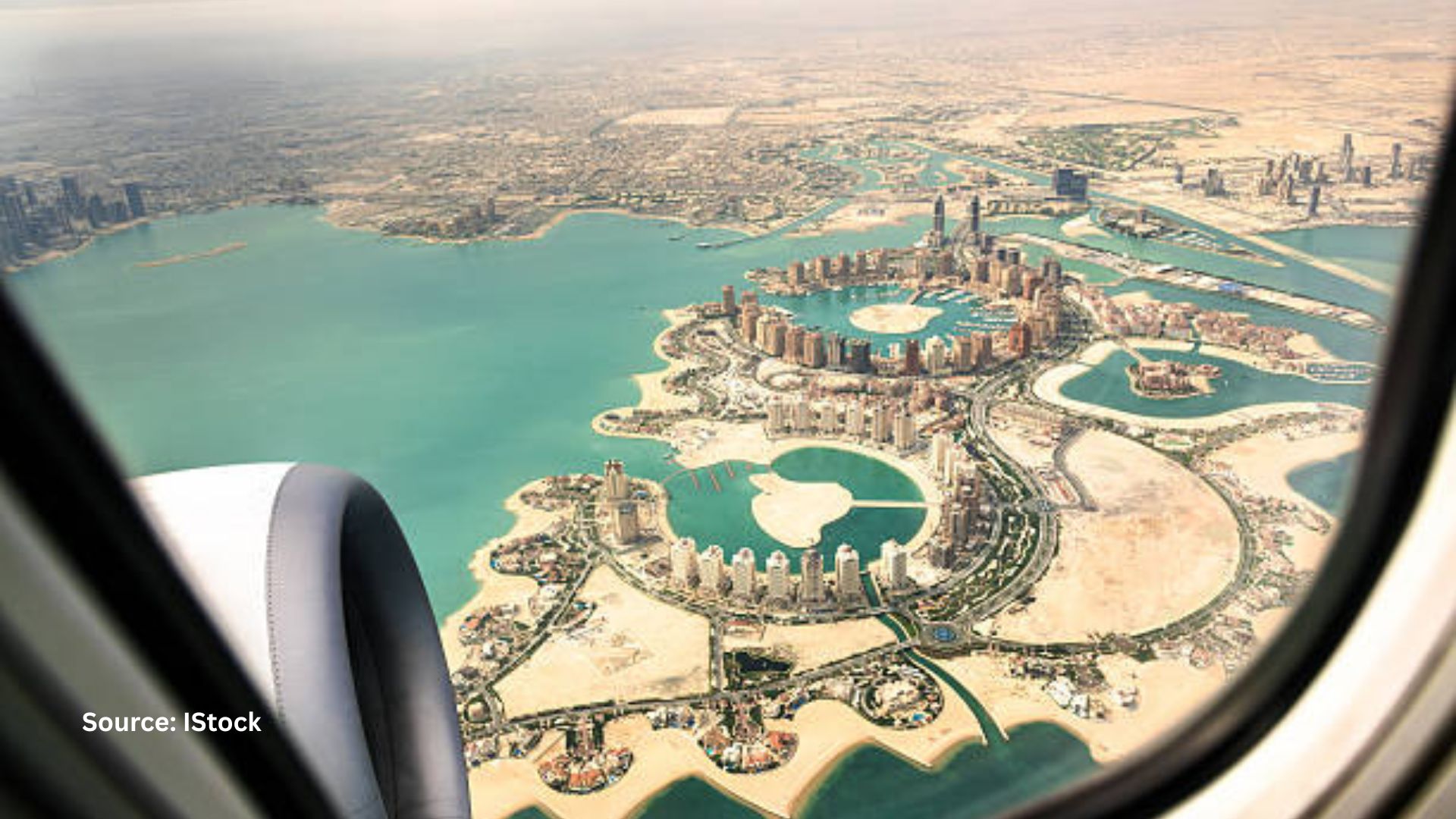
The evacuation process is set to commence in phases, with the first convoy of buses scheduled to depart from Doha as early as Monday, March 9, or Tuesday, March 10, 2026.

Unlike standard commercial travel, this repatriation involves a complex overland journey coordinated between multiple diplomatic missions. The Malaysian Ministry of Foreign Affairs has structured the route into three critical stages to ensure the safety and accountability of all participants.
First, citizens will be transported by bus from Doha to the Abu Samra border post. Upon clearing the Salwa border into Saudi Arabian territory, the convoy will head toward the capital city of Riyadh. The final leg of the journey involves special repatriation flights facilitated by the Malaysian government to transport the evacuees directly from Riyadh to Kuala Lumpur International Airport (KLIA).
The total travel time for the overland bus journey alone is estimated at approximately 12 hours. This requires passengers to be prepared for a long-haul transit through desert terrain before reaching the flight staging area.
Ambassador Mohd Faizal Razali has emphasized that while the government is facilitating the move, the responsibility for legal and travel readiness rests with the individuals. To avoid delays at the Saudi border or during flight boarding, several “non-negotiable” requirements must be met by every passenger.
All travel documents must be valid for at least six months from the date of travel, and it is the responsibility of each individual to secure a Saudi Arabian e-visa before the buses depart. Furthermore, the Embassy has made it clear that citizens must settle all “exit hurdles”—such as outstanding bank loans, traffic fines, or employment disputes—before leaving Qatar.
The government has also made specific allowances for mixed-nationality families. Malaysians are permitted to bring their non-Malaysian spouses as well as domestic workers, provided the helpers are citizens of ASEAN member states.
The Malaysian Embassy has stressed that this operation is a unique, one-time voluntary exercise. With the final list of 323 participants confirmed on March 7, the window for state-organized assistance is effectively closing.
For those choosing to remain in Qatar, the Embassy will continue to provide standard consular services, but further organized mass evacuations are not currently planned. The focus of the mission now shifts to the “First Wave” of travelers who will begin their journey across the border in the coming 48 hours.