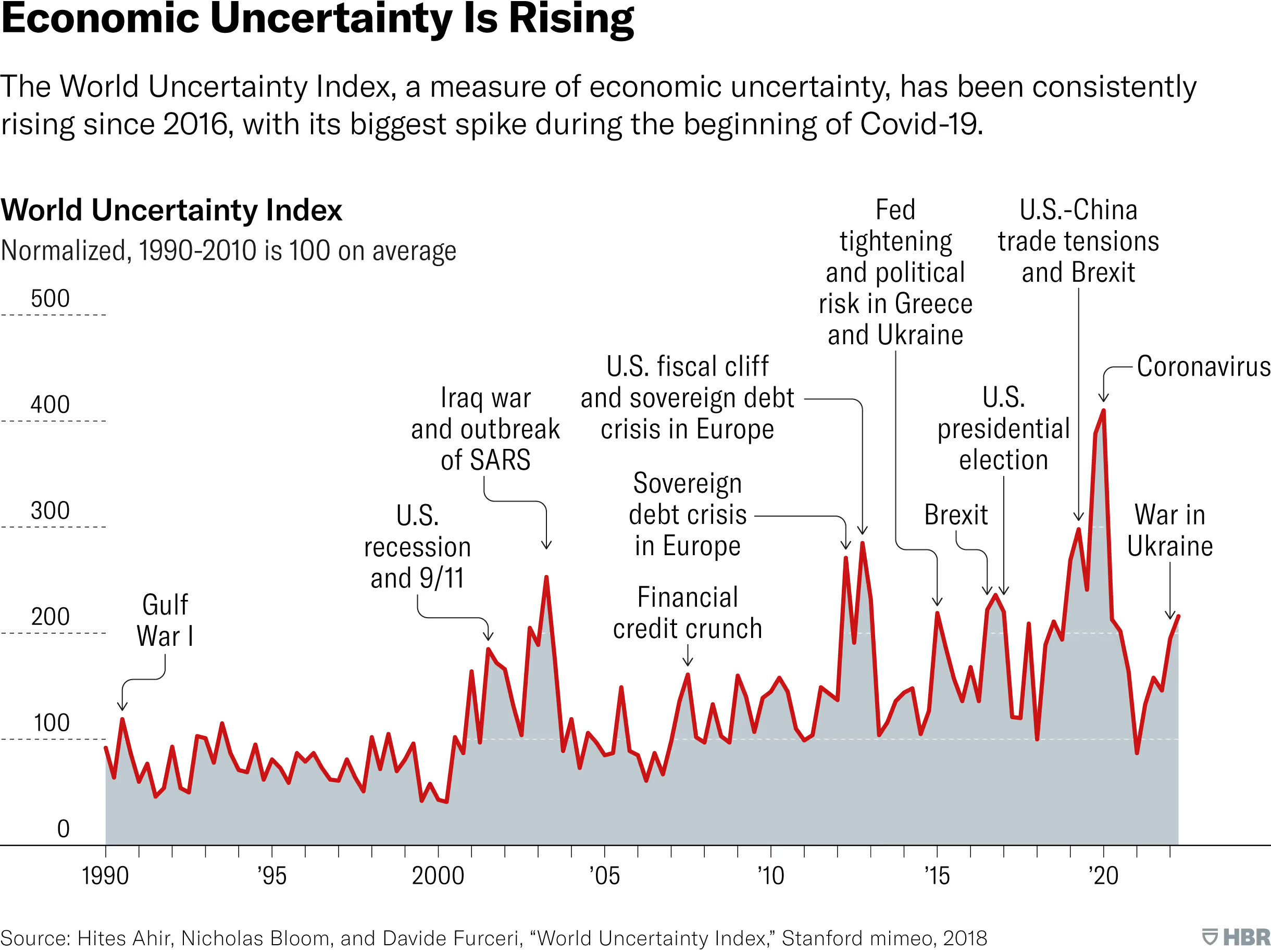
Kuala Lumpur – The world today feels increasingly unstable. From rising geopolitical tensions to economic uncertainty, global events are creating an atmosphere of anxiety that stretches across continents.
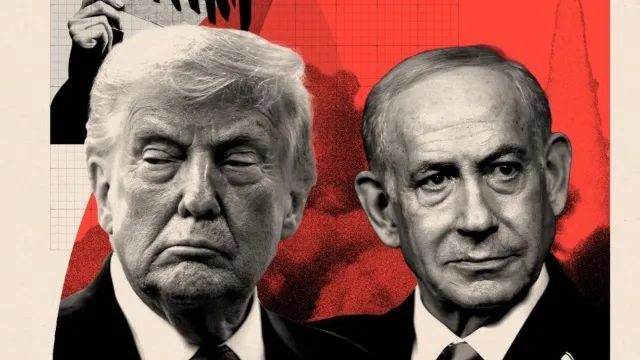
In recent months, tensions between major powers such as United States, Iran, and Russia have intensified, raising fears of broader regional conflicts. Military activity in the Middle East and growing alliances among global powers have reminded the world that geopolitical rivalries remain a defining force in international politics.

At the same time, the global economy is facing serious challenges. Energy markets remain highly sensitive to geopolitical shocks, particularly in strategic regions such as the Strait of Hormuz, a narrow waterway through which a large portion of the world’s oil supply passes every day. Any disruption in this corridor could send energy prices soaring and trigger inflation across global markets.
Financial markets have already shown signs of volatility whenever tensions rise. Investors tend to move toward safer assets, while governments struggle to balance economic stability with political and security priorities.
Beyond geopolitics and economics, the current global climate also reflects a deeper crisis of trust. In many countries, citizens are questioning institutions, governments, and international organizations that once shaped the global order.
Yet history shows that moments of global tension often become turning points. International crises can also push nations toward diplomacy, cooperation, and structural reforms that redefine global relationships.
The challenge for today’s leaders is clear: prevent escalating rivalries from turning into open conflict while managing the economic consequences that follow.
The world is not only watching unfolding events — it is also waiting to see whether diplomacy and cooperation can prevail over confrontation.